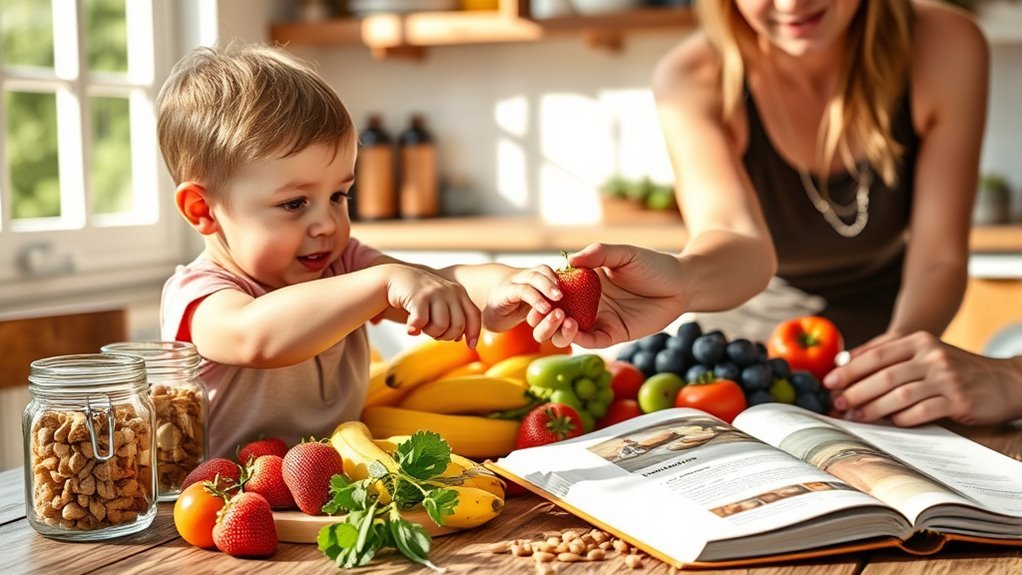

You might think that managing organic food choices for your toddler is complicated and time-consuming, but it doesn’t have to be. With a few intentional adjustments, you can easily prioritize your child’s health while promoting sustainability. By understanding the benefits of organic food and making small changes in your shopping and meal prep routines, you can foster healthy eating habits in your little one. Discover how simple strategies can transform mealtime into a positive experience for the whole family.
Understanding the Benefits of Organic Food for Toddlers
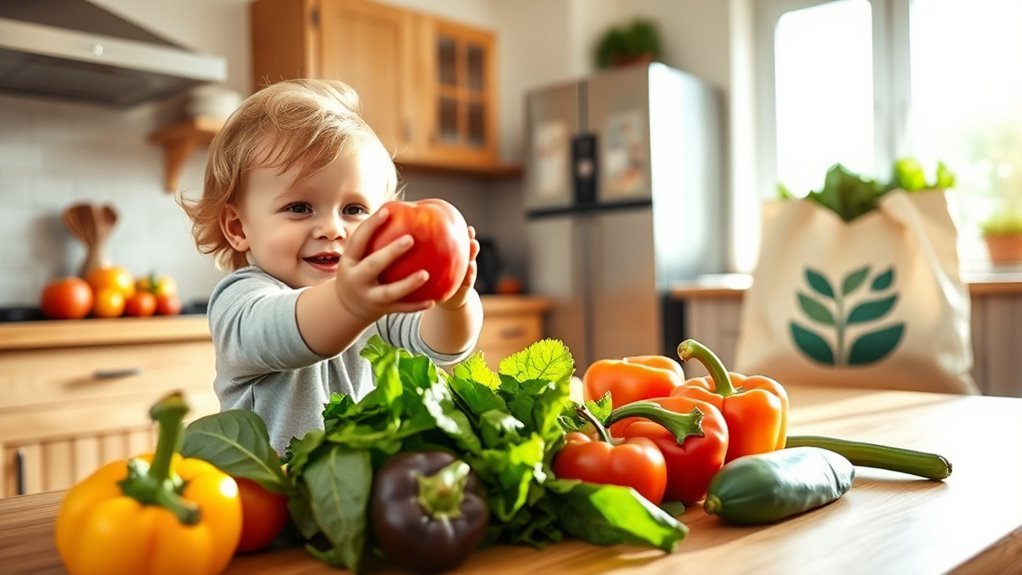
When considering your toddler’s diet, it’s essential to recognize the potential benefits of organic food choices. Organic foods often offer nutritional advantages, as they’re typically richer in vitamins and minerals due to healthier soil and farming practices. Your little one’s developing body can truly benefit from these enhanced nutrients, which support growth and immune function. Additionally, choosing organic can positively impact the environment by reducing pesticide use and promoting biodiversity. By selecting organic options, you’re not only prioritizing your child’s health but also contributing to a sustainable future. This conscious decision allows you to feel empowered, knowing you’re fostering a healthier planet for your toddler to grow up in. It’s about making choices that align with your values and your child’s well-being.
Tips for Selecting Organic Produce
Although selecting organic produce can seem intimidating at first, it can become a straightforward process with a few key tips. Start by looking for organic certifications on labels; these guarantee that the produce meets specific standards. When possible, buy from local farmers’ markets. Not only will you support your community, but you’ll also have access to fresher options. Don’t hesitate to ask farmers about their growing practices; they’re often happy to share. Prioritize seasonal fruits and veggies, as they’re more likely to be organic and taste better. Finally, remember that buying organic isn’t just about the label—it’s about making choices that feel right for you and your toddler’s health. Enjoy the journey of discovering organic produce!
Budget-Friendly Strategies for Organic Shopping
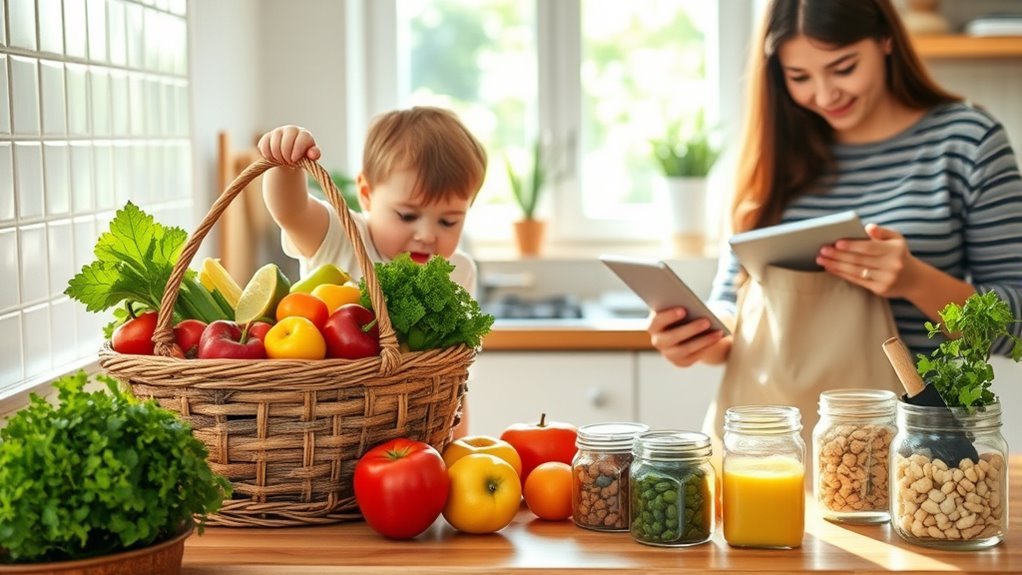
When it comes to buying organic on a budget, focusing on seasonal produce can save you money while providing fresh options for your toddler. Additionally, purchasing in bulk allows you to stock up on essentials and take advantage of lower prices. By making these strategic choices, you can nourish your little one without breaking the bank.
Seasonal Produce Benefits
As the seasons change, so do the variety and prices of organic produce, making it easier for you to provide your toddler with fresh, nutrient-dense options without breaking the bank. Seasonal varieties not only taste better but also reach their nutritional peaks, offering the best vitamins and minerals for your little one. For instance, summer brings vibrant tomatoes and zucchini, while fall introduces hearty squash and apples. By shopping in line with the seasons, you typically find lower prices and better quality. Plus, exploring local farmers’ markets can yield even more savings while supporting your community. Embracing seasonal produce allows you to nourish your toddler effectively, fostering a love for healthy eating habits that can last a lifetime.
Bulk Buying Advantages
Shopping for seasonal produce is a great way to save money while providing your toddler with fresh options, but buying in bulk can take your organic shopping strategy to another level. Bulk buying not only offers significant cost savings but also gives you the freedom to stock up on essentials without frequent trips to the store. When you purchase larger quantities of organic grains, nuts, or frozen fruits, you often benefit from lower prices per unit. This method allows you to reduce packaging waste, supporting a healthier environment for your child. Plus, having a well-stocked pantry can ease those busy days when meal prep feels overwhelming. Embrace bulk buying, and you’ll find that healthy, organic food choices become more accessible and budget-friendly for your family.
Meal Planning With Organic Ingredients
When planning meals with organic ingredients, you’re not just making healthier choices for your toddler; you’re also supporting sustainable farming practices. Simple meal prep ideas can make this process easier and more enjoyable, while budget-friendly organic options guarantee you stay within your means. Let’s explore how you can create delicious, nutritious meals that align with your family’s values.
Benefits of Organic Ingredients
Choosing organic ingredients for your toddler’s meals can greatly impact their health and development. By prioritizing organic, you’re not just improving their plate; you’re also making a conscious choice for the planet. Here are some benefits of using organic ingredients:
- Higher Nutrient Density: Organic foods often have more vitamins and minerals essential for growth.
- Fewer Chemicals: They’re grown without synthetic pesticides or fertilizers, reducing exposure to harmful substances.
- Better Taste: Many parents find organic produce tastes better, encouraging your toddler to enjoy their meals.
- Sustainability Impact: Organic farming supports biodiversity, soil health, and reduces environmental harm.
These benefits not only nurture your child but also contribute to a healthier planet, allowing you to feel good about your choices.
Simple Meal Prep Ideas
Incorporating organic ingredients into your toddler’s meals can be both rewarding and manageable with the right meal prep strategies. Start by planning simple snacks like organic fruit slices or yogurt with honey, which are quick to prepare and nutritious. For meals, consider batch-cooking organic grains, such as quinoa or brown rice, that you can easily pair with veggies and proteins throughout the week. Quick recipes like veggie stir-fries or smoothies can be made in just minutes. You can also involve your toddler in the process—let them choose between two organic veggies for dinner. This not only empowers them but also makes mealtime more enjoyable. With a bit of planning, you’ll find that organic eating can fit seamlessly into your busy lifestyle.
Budget-Friendly Organic Options
While it may seem challenging to maintain a budget while buying organic foods for your toddler, there are practical strategies that can make it easier. Start by exploring local farms, where you can often find fresh, organic produce at lower prices. Consider these tips:
- Plan meals: Create a weekly menu using seasonal ingredients.
- Buy in bulk: Purchase organic grains and legumes in larger quantities to save money.
- Check for organic certifications: Look for trusted brands to guarantee quality while staying within budget.
- Join a co-op: Local co-ops often offer discounts on organic items and support community farmers.
Making Organic Meals Fun and Engaging
Making organic meals fun and engaging for toddlers can transform mealtime into an enjoyable adventure rather than a chore. One effective way to spark their interest is through creative presentation. Arrange fruits and veggies into fun shapes or create colorful plates that resemble their favorite characters. This not only makes the food visually appealing but also encourages them to try new things. Additionally, consider incorporating interactive cooking sessions. Let your toddler help wash veggies, stir ingredients, or assemble their own tacos. This hands-on experience fosters curiosity and a sense of ownership over what they eat. By making organic meals playful and engaging, you’re nurturing a positive relationship with food that can last a lifetime. Enjoy the journey together!
Building Healthy Eating Habits in Toddlers
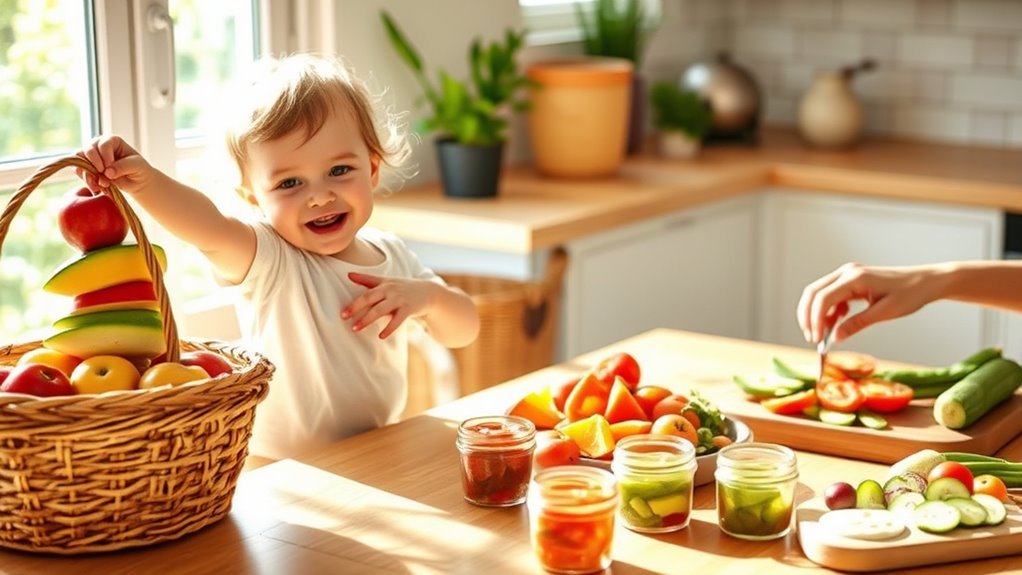
As you commence on the journey of building healthy eating habits in toddlers, it’s crucial to create a supportive environment that encourages exploration and curiosity. Involving the whole family can make a significant impact on your toddler’s preferences. Here are some strategies to take into account:Creating a supportive environment fosters curiosity in toddlers and enhances family involvement in healthy eating habits.
- Model Healthy Choices: Show your toddler that you enjoy a variety of foods.
- Offer Variety: Introduce different fruits, vegetables, and whole grains to keep meals exciting.
- Make It Fun: Use colorful plates and creative shapes to make meals visually appealing.
- Involve Them: Let your toddler help with meal prep, making them more invested in what they eat.