
When it comes to feeding your baby, think of the age-old adage, “you are what you eat.” Choosing organic foods can greatly impact your child’s health and development. By prioritizing high-quality ingredients and exploring natural remedies, you can create a nurturing environment for your little one. As you navigate this journey, consider how simple choices today can lay the foundation for a healthier tomorrow. What steps can you take to guarantee your baby thrives?
Understanding the Benefits of Organic Foods for Babies
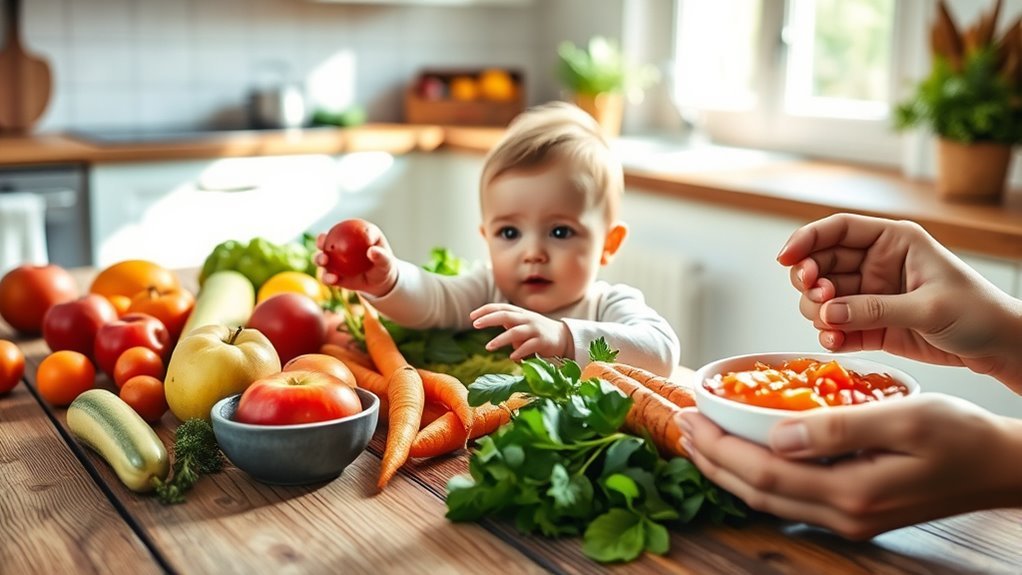
When considering what to feed your baby, it’s important to understand the benefits of organic foods. Organic foods are free from synthetic pesticides and fertilizers, which means fewer harmful chemicals enter your baby’s system. This can enhance baby nutrition by providing cleaner, more nutrient-rich options. Studies suggest that organic fruits and vegetables often contain higher levels of antioxidants, supporting your baby’s developing immune system. Additionally, choosing organic dairy and meat can reduce exposure to antibiotics and hormones, promoting overall health. You’re empowering your little one to thrive by opting for organic. Embracing organic food benefits not only supports your baby’s growth but also aligns with a lifestyle prioritizing well-being and freedom from potentially harmful additives.
How to Choose High-Quality Organic Baby Food
When choosing high-quality organic baby food, it’s essential to check certification labels to guarantee you’re getting genuinely organic products. Take a close look at ingredient lists, opting for those with minimal and recognizable components. Additionally, consider seasonal produce, as it’s often fresher and packed with nutrients.
Check Certification Labels
Choosing high-quality organic baby food can feel overwhelming, especially with the myriad of options available, but checking certification labels is an essential step in ensuring you’re making the best choice for your little one. Certification importance can’t be overstated; it verifies that the food meets stringent organic standards. Look for labels like USDA Organic or similar certifications that guarantee no harmful pesticides or synthetic fertilizers were used. When you prioritize label verification, you empower yourself to select products that are truly organic, free from harmful additives. This not only supports your baby’s health but also promotes sustainable farming practices. By understanding certification labels, you’re taking a proactive step in providing a safe and nourishing diet for your child.
Examine Ingredient Lists
Examining ingredient lists is a vital step in selecting high-quality organic baby food. You’ll want to look for products that prioritize ingredient sourcing, ensuring they come from reputable farms committed to organic practices. Check for label transparency: the shorter the list, the better. Ingredients should be recognizable and free of artificial additives, preservatives, or fillers. If you see vague terms like “natural flavors,” it’s a red flag. Instead, opt for brands that clearly state the sources of their ingredients, which not only promotes trust but also supports your desire for freedom of choice. By being mindful of what’s in your baby’s food, you’re taking an important step towards healthier eating habits for your little one.
Consider Seasonal Produce
Incorporating seasonal produce into your baby’s diet not only enhances flavor but also maximizes nutritional value. By choosing local sourcing, you can enjoy the seasonal benefits that come from fresh, ripe fruits and vegetables. Here are three key reasons to reflect on seasonal produce:
- Nutrient Density: Seasonal fruits and veggies are often harvested at peak ripeness, ensuring they retain essential vitamins and minerals.
- Flavor: Fresh, locally sourced produce tastes better, making mealtime more enjoyable for your little one.
- Environmental Impact: Supporting local farmers reduces transportation emissions and promotes sustainable agriculture.
Homemade Organic Baby Food Recipes
Making homemade organic baby food can be a rewarding and nutritious choice for your little one. Simple puree recipes using fresh, organic ingredients not only guarantee quality but also allow you to customize flavors and textures to suit your baby’s preferences. Let’s explore some easy recipes and nutrient-rich ingredient ideas that can help support your baby’s growth and development.
Simple Puree Recipes
As you commence on the journey of introducing solids to your baby, simple puree recipes can be a wonderful way to guarantee they’re getting nutritious, organic food. Here are three easy recipes to start with:
- Simple Fruit Purees: Blend ripe bananas, cooked apples, or pears until smooth. These naturally sweet options are great for your baby’s palate.
- Vegetable Blends: Steam carrots, peas, or sweet potatoes, then puree them for a nutrient-packed meal. These veggies are rich in vitamins and easy to digest.
- Mixed Purees: Combine fruits and veggies, like apple and spinach, for a flavor-packed, nutrient-dense option.
These recipes not only provide essential nutrition but also encourage your little one to explore new tastes!
Nutrient-Rich Ingredient Ideas
When it comes to creating homemade organic baby food, choosing nutrient-rich ingredients can make all the difference in your baby’s development. Incorporate superfood options like quinoa, sweet potatoes, and avocados for added vitamins and healthy fats. These ingredients not only taste great but also provide essential nutrients for growth. Timing is key, too; aim to introduce these foods during nutrient timing windows to maximize absorption. For instance, pair iron-rich foods like spinach with vitamin C sources like peas to enhance iron uptake. Remember to keep your baby’s palate in mind; experimenting with different textures and flavors can encourage adventurous eating habits. By focusing on these nutrient-rich ingredients, you’ll empower your little one to thrive on a balanced, organic diet.
Natural Remedies for Common Infant Discomforts

While it’s natural for babies to experience discomforts like colic, teething, or gas, many parents seek gentle, natural remedies to help soothe their little ones. Here are some effective techniques you can try:
- Gentle Massages: Using soothing techniques like gentle abdominal massages can help relieve gas and discomfort.
- Chamomile Infusion: A mild chamomile tea can promote relaxation and aid digestion, but consult your pediatrician first.
- Warm Baths: A warm bath can be comforting for your baby, providing colic relief and relaxation.
You might also consider probiotic supplements or essential oils, but always verify they’re safe for infants. Don’t forget breastfeeding tips, as breast milk can be soothing and nutritious. Trust your instincts and observe what works best for your baby!
Preventative Strategies for Baby’s Health
To guarantee your baby stays healthy, it’s essential to implement preventative strategies from the very beginning. Focus on baby wellness by ensuring a balanced diet rich in organic fruits, vegetables, and whole grains. These foods support your baby’s immune system, fostering resilience against illnesses. Breastfeeding, if possible, provides crucial nutrients and antibodies that further enhance immune support.
Establish a routine that includes regular pediatric check-ups and vaccinations to catch any potential health issues early. Incorporate gentle physical activity, like tummy time, to promote development and overall well-being. Finally, create a calming environment that minimizes stress, as emotional health also plays a key role in your baby’s wellness. Remember, the choices you make today lay the foundation for a healthier tomorrow.
Identifying and Avoiding Harmful Ingredients

As you navigate the world of organic food choices for your baby, it is crucial to identify and avoid harmful ingredients that can compromise their health. Here are three key categories to watch out for:
- Toxic Additives & Preservatives: These include harmful preservatives and synthetic flavors that can disrupt your baby’s digestive system.
- Artificial Colors & Processed Sugars: Many foods contain artificial colors, which may lead to hyperactivity, and processed sugars that can cause unhealthy cravings.
- Pesticide Residues & Allergenic Ingredients: Be cautious of pesticide residues from non-organic produce and allergenic ingredients that may trigger sensitivities.
Building a Balanced Organic Diet for Your Baby
After verifying your baby’s food is free from harmful ingredients, the next step involves constructing a balanced organic diet that meets their nutritional needs. Focus on incorporating a variety of baby food combinations, like pureed fruits, vegetables, grains, and proteins. This not only adds flavor but also guarantees a rich nutrient profile. Organic meal planning can help you prepare balanced meals ahead of time, making it easier to introduce diverse tastes and textures. Remember, babies need healthy fats for brain development, so consider adding avocado or nut butters in appropriate forms. Always consult with your pediatrician to tailor the diet to your baby’s unique needs, allowing them to thrive and explore the wonderful world of flavors.