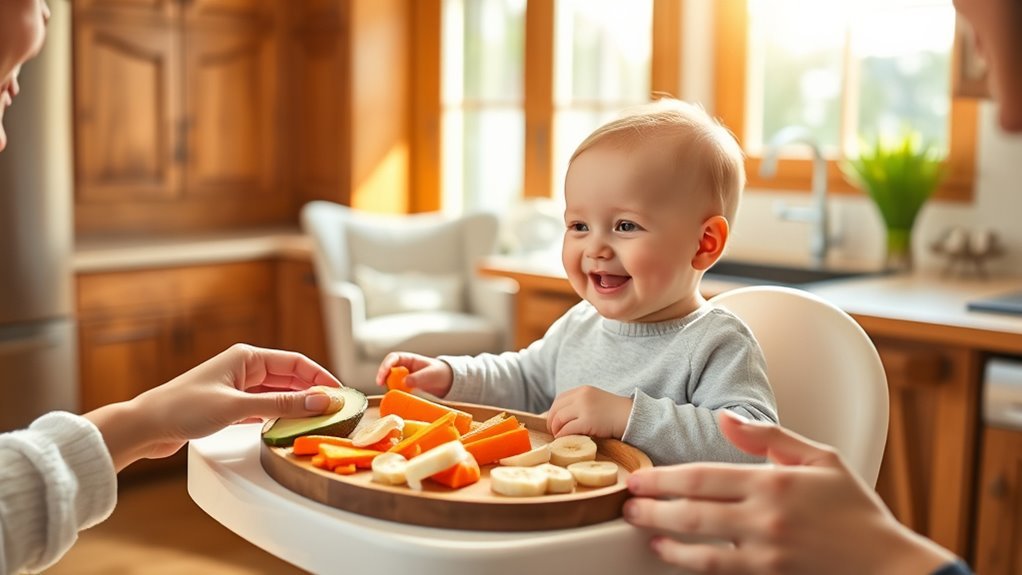

Did you know that about 60% of parents who try Baby Led Weaning (BLW) report that their infants enjoy a wider variety of foods? This approach not only encourages self-feeding but also helps develop healthy eating habits early on. However, steering through the challenges of BLW can feel overwhelming. Understanding effective strategies and home remedies can enhance this experience and guarantee your little one thrives. Let’s explore some practical solutions together.
Understanding Baby Led Weaning
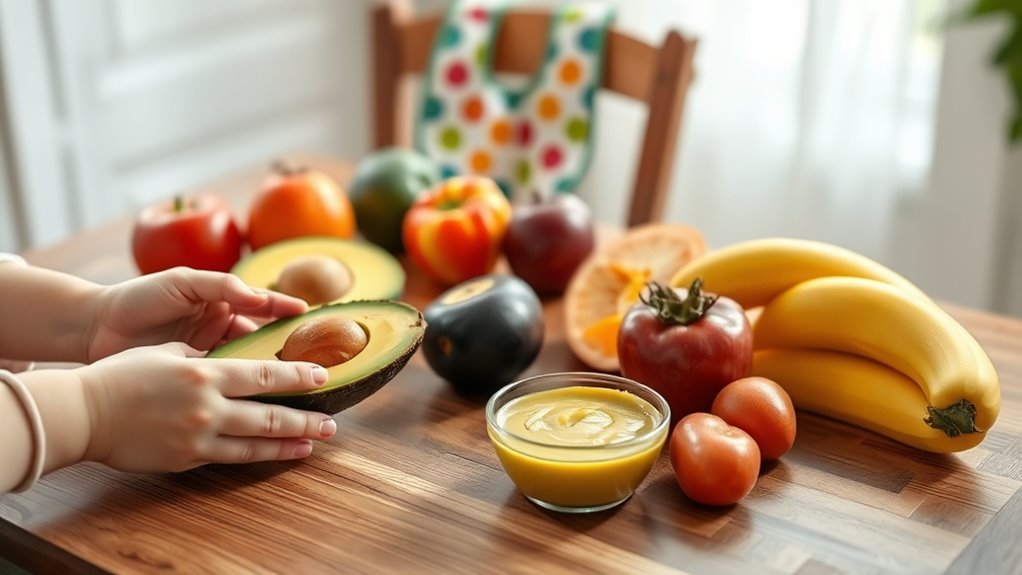
What makes baby led weaning such an appealing approach for many parents? It’s all about respecting your baby’s natural development and instincts. By allowing your little one to explore food at their own pace, you’re tuning into their baby cues and recognizing feeding readiness. This method encourages self-regulation, helping your child learn to listen to their hunger and fullness signals. You’ll find that this approach fosters independence and confidence with food, giving your baby the freedom to choose what they want to eat. Plus, it can create a positive mealtime atmosphere, reducing stress for both you and your little one. Ultimately, baby led weaning promotes a healthy relationship with food from the very start, paving the way for lifelong habits.
Nutritional Balance: Key Considerations
As you embrace baby led weaning, it’s important to contemplate how to maintain nutritional balance in your baby’s diet. Focus on incorporating a variety of protein sources—think legumes, eggs, and tender meats—to support growth and development. Additionally, aim for vitamin diversity by introducing colorful fruits and vegetables. Each color typically represents different nutrients, which is key for your baby’s overall health. Remember, balance isn’t about perfection; it’s about introducing a broad range of flavors and textures. Encourage self-feeding while remaining attentive to your baby’s cues. This not only promotes independence but also helps them develop a healthy relationship with food. Trust your instincts, and enjoy this exciting journey together!
Preparing Baby-Friendly Foods
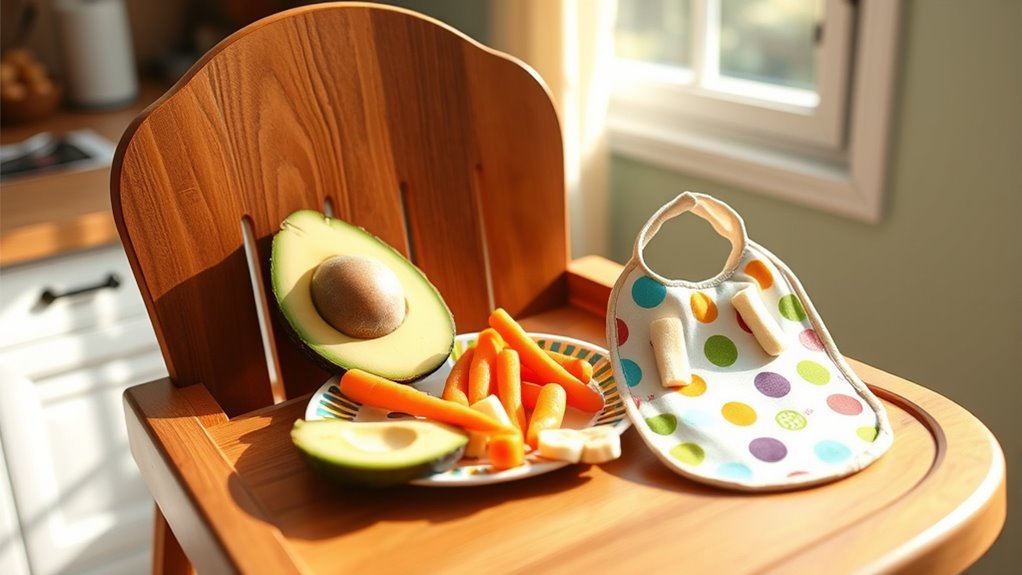
When preparing baby-friendly foods, it’s essential to focus on nutrient-dense options that support your little one’s growth and development. You’ll also want to guarantee that the textures are safe and manageable for their budding skills. Finally, presenting food creatively can make mealtime more enjoyable and encourage your baby to explore new flavors.
Nutrient-Dense Food Options
Choosing nutrient-dense foods for your baby can feel overwhelming, especially with so many options available. Focus on incorporating various nutrient sources like avocados, sweet potatoes, and lean proteins into your meal planning. These foods are rich in essential vitamins and minerals that support your baby’s growth and development.
You can also introduce iron-rich options like pureed lentils or small pieces of cooked eggs, which are great for building strength. Remember, variety is key. Try mixing textures and flavors to keep your baby engaged and excited about food. By choosing nutrient-dense foods, you’re not only nourishing your little one but also fostering a positive relationship with healthy eating habits. Enjoy the process and find what works best for you both!
Safe Food Textures
Making sure your baby experiences a variety of safe food textures is crucial for their development and comfort with eating. Introducing soft food textures and safe finger foods can help your little one gain confidence in self-feeding. Here are some ideas to take into account:
- Cooked sweet potatoes, cut into sticks
- Soft avocado slices
- Steamed broccoli florets
- Ripe banana pieces
- Oatmeal or porridge blobs
These options not only provide essential nutrients but also encourage exploration of different flavors and textures. Remember, the goal is to create a positive eating environment where your baby feels empowered to try new foods. Always supervise your infant during meals to guarantee safety and to foster a sense of security while they learn to navigate their culinary world.
Creative Food Presentation
Creating an inviting and fun food presentation can greatly enhance your baby’s mealtime experience. Using colorful plates and creative shapes can make meals visually appealing and encourage your little one to explore. Interactive meals, like finger food arrangements, allow them to engage with their food, promoting sensory exploration. Consider themed presentations that celebrate seasonal ingredients, creating edible art that sparks curiosity. Playful garnishing with texture contrasts can also stimulate their senses, making each bite an adventure. Don’t hesitate to mix vibrant fruits and veggies, shaping them into fun characters or animals. This playful approach not only nourishes your baby but fosters a love for healthy eating, giving them the freedom to explore flavors and textures in a delightful way.
Managing Messes: Tips for Clean-Up
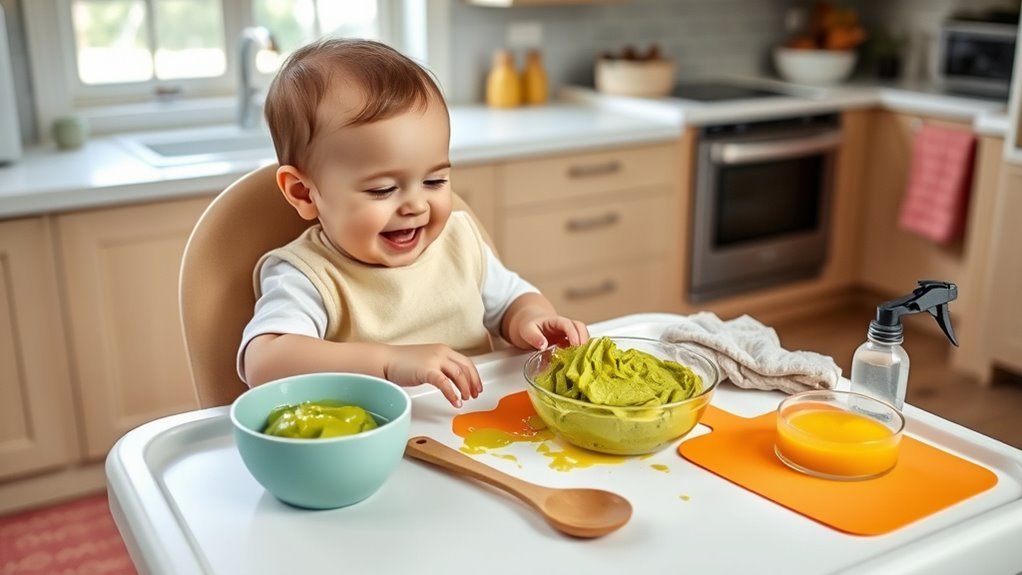
While baby-led weaning can be a messy adventure, managing the clean-up doesn’t have to be intimidating. Embracing the chaos of messy mealtimes can be liberating with the right cleanup strategies in place. Here are some tips to help you tackle the post-meal mess:
- Use a high chair with a removable tray for easy washing.
- Keep a damp cloth or wipes handy for quick clean-ups.
- Lay down a splash mat or old towel under the high chair.
- Involve your baby in the clean-up; it’s part of the learning experience!
- Schedule clean-up time right after meals to keep messes manageable.
With these strategies, you can focus on enjoying mealtimes while minimizing the mess!
Preventing Choking Hazards
As you commence on the journey of baby-led weaning, being aware of choking hazards is essential for your baby’s safety. Start by choosing appropriate food textures; soft, easily mashable foods are safer options. Avoid whole grapes, popcorn, nuts, and hard vegetables, as these pose significant risks. Hazard awareness is vital; always supervise your baby during meals and encourage them to chew well. If your baby does choke, remain calm and know basic first aid techniques, like back blows or abdominal thrusts. Remember, choking prevention is about creating a safe eating environment. By being proactive and informed, you can foster a positive mealtime experience while ensuring your little one explores a variety of foods safely.
Encouraging Self-Feeding Skills
Encouraging your baby to self-feed is an important part of their development and can be done safely with the right food choices. Offering a variety of soft, nutritious options in a fun eating environment helps foster independence and curiosity. By creating a positive mealtime experience, you’re setting the stage for healthy eating habits to flourish.
Safe Food Choices
When introducing your baby to solid foods, choosing safe options is essential for fostering self-feeding skills. Opting for healthy, organic produce not only provides essential nutrients but also encourages exploration and self-confidence in your little one. Keep allergen awareness in mind as you select foods. Here are some safe choices to contemplate:
- Soft-cooked carrots or sweet potatoes
- Avocado slices for healthy fats
- Ripe bananas for easy grasp
- Steamed broccoli florets
- O-shaped cereal for fun snacking
These options promote self-feeding while ensuring safety. Allowing your baby to experiment with different textures and flavors will enhance their development and create a positive mealtime experience. Remember, giving them the freedom to explore is key to building their confidence!
Fun Eating Environment
Creating a fun eating environment can greatly enhance your baby’s self-feeding skills. By fostering a playful atmosphere, you encourage exploration and confidence during mealtime. An engaging table setup can spark your baby’s curiosity and make them excited to try new foods. Use colorful plates and utensils, and consider incorporating toys or sensory elements to keep things lively.
Allow your little one to choose their food, letting them feel in control of their eating experience. This autonomy can boost their interest in self-feeding. Remember, mealtime should be enjoyable, so be patient and celebrate their successes, no matter how small. Embracing this approach not only supports their development but also strengthens your bond during shared meals.
Handling Picky Eating
While it’s common for babies to go through phases of picky eating, understanding how to navigate this stage can make mealtimes less stressful for both you and your little one. Here are some effective picky eater strategies to help you in overcoming food aversions:
- Offer choices: Let your baby pick between two vegetables or fruits.
- Keep it fun: Use colorful plates or shapes to make food visually appealing.
- Model behavior: Show enjoyment while eating a variety of foods.
- Stay patient: It may take several exposures for your baby to accept new flavors.
- Avoid pressure: Encourage exploration without forcing them to eat.
Incorporating Family Meals
Incorporating family meals into your baby-led weaning routine can enhance your little one’s eating experience and foster a sense of togetherness. Sharing meals not only promotes family bonding but also sets a positive example for your infant. Meal timing plays an essential role; try to eat together at the same time each day, creating consistent routines that your baby can anticipate. This encourages your little one to engage with diverse foods and learn from observing you and other family members enjoying a variety of textures and flavors. Plus, the social aspect of mealtime can make eating more enjoyable, helping to reduce stress and resistance. Embrace this time together, and watch your baby thrive in a nurturing environment.
Home Remedies for Common BLW Challenges
Many parents encounter common challenges during baby-led weaning (BLW), but there are effective home remedies that can help ease these hurdles. Here are some tips that support your baby’s journey while promoting allergy awareness and digestive support:
- Keep it simple: Offer single-ingredient foods to identify potential allergens.
- Stay hydrated: Encourage water intake to aid digestion, especially after meals.
- Use mashed foods: For tough textures, try lightly mashing fruits or veggies to ease the shift.
- Incorporate probiotics: Foods like yogurt can support gut health and digestion.
- Be patient: Allow your baby to explore food at their own pace to build confidence.
These remedies can create a positive BLW experience, ensuring your little one thrives while discovering new flavors.