

When it comes to choosing between cloth and disposable diapers, dietary changes can greatly influence your baby’s comfort and skin health. By focusing on a balanced diet and staying mindful of hydration, you can help minimize diaper rash and other related issues. This approach not only improves diaper performance but also supports your infant’s overall well-being. Curious about specific dietary adjustments that can make a difference? Let’s explore this further.
Understanding the Cloth Vs Disposable Diaper Dilemma

When you’re faced with the choice between cloth and disposable diapers, it’s easy to feel overwhelmed by the options. Cloth comfort is often lauded for its softness and breathability, providing a gentle touch for your baby’s skin. On the flip side, disposable convenience means you can quickly change your little one without worrying about washing. However, consider the environmental impact of each choice; disposables contribute substantially to landfill waste, while cloth options require water and energy for cleaning. Cost comparison also plays a critical role—while cloth diapers may have a higher upfront cost, they can save you money in the long run. Ultimately, weighing these factors allows you to choose what aligns best with your values and lifestyle.
The Role of Diet in Diaper Rash Prevention
Although diaper rash can stem from various factors, diet plays an essential role in its prevention. Making dietary adjustments can help improve your baby’s diaper health and reduce the risk of irritation. For instance, certain foods can increase acidity in your baby’s stool, leading to rashes. Here’s a simple way to visualize how different foods impact diaper health:
| Food Type | Potential Impact on Diaper Health | Suggested Alternatives |
|---|---|---|
| Citrus Fruits | Increased acidity | Bananas |
| Spicy Foods | Irritation potential | Mild-flavored options |
| Dairy Products | Possible allergic reactions | Plant-based alternatives |
| Sugary Snacks | Diaper rash triggers | Whole fruits |
| Processed Foods | Nutrient deficiency | Fresh, whole foods |
Identifying Common Diaper-Related Issues

When using diapers, you might notice your baby developing diaper rash, which can stem from various causes like moisture, friction, and irritants. It’s important to take into account your baby’s skin sensitivity, as some may react more strongly to certain materials or products. By understanding these factors, you can better protect your little one’s delicate skin and prevent discomfort.
Diaper Rash Causes
Diaper rash can occur for various reasons, and understanding these causes is vital for keeping your baby comfortable. One common culprit is prolonged exposure to moisture, leading to skin irritation. If diapers aren’t changed frequently, urine and stool can irritate delicate skin. Additionally, friction from a poorly fitting diaper may contribute to redness and discomfort. It’s also important to take into account the products used in diaper care; some wipes or creams can cause allergic reactions or further irritation. Dietary changes, such as introducing new foods, can also affect your baby’s stool, potentially aggravating diaper rash. By identifying these triggers, you can take proactive steps to prevent diaper rash and guarantee your little one stays happy and healthy.
Skin Sensitivity Factors
Understanding the causes of diaper rash is just the beginning; it’s equally important to recognize the factors that contribute to your baby’s skin sensitivity. Skin irritation can arise from various sources, including the materials in disposable diapers or the laundry detergents used on cloth. Additionally, allergy triggers like certain fragrances or chemicals can exacerbate your baby’s discomfort. Even dietary changes—like introducing new foods—may impact their skin. It’s essential to pay attention to how your baby’s skin reacts over time, as this can help you identify specific sensitivities. By being proactive and informed, you can create a comfortable environment for your little one, minimizing the chances of skin issues and allowing them the freedom to explore their world without discomfort.
Impact of Breastfeeding on Diaper Health
Although the choice between cloth and disposable diapers often dominates discussions about infant care, the impact of breastfeeding on diaper health is equally significant. Breastfeeding benefits your baby’s digestion, leading to nutrient-rich, less irritating stools. This can mean fewer diaper changes and a reduced risk of diaper rash, as breastfed infants typically produce softer, more manageable waste. Plus, breast milk contains antibodies that can help to strengthen your baby’s immune system, further minimizing gastrointestinal issues. When you consider diaper health, remember that the composition of your baby’s diet plays an essential role. By choosing breastfeeding, you’re not just nourishing your child; you’re also enhancing their comfort and well-being, making diapering a more pleasant experience for both of you.
Introducing Solids: What to Consider
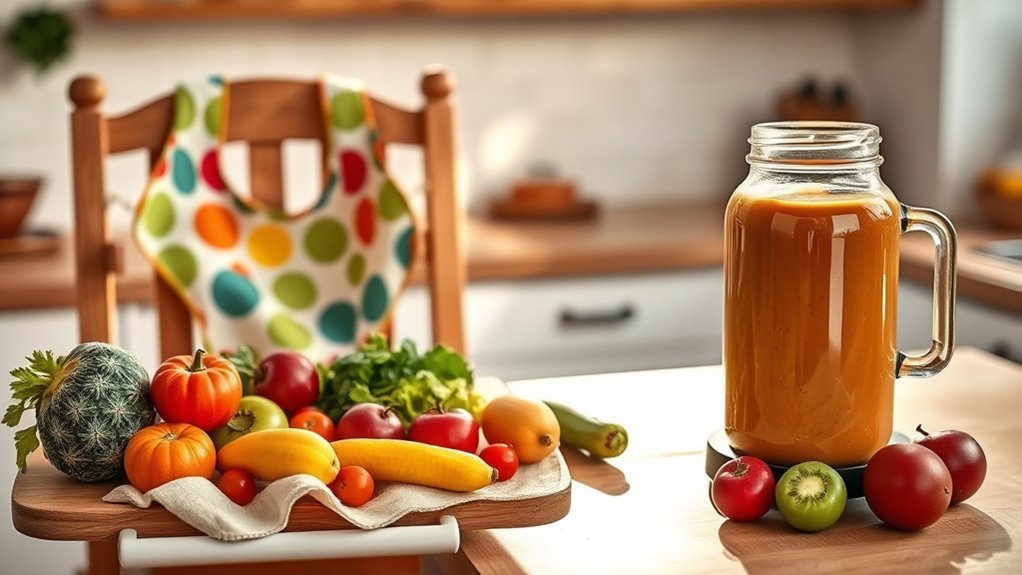
As your baby approaches the six-month mark, you might find yourself wondering when and how to introduce solid foods. It’s essential to evaluate your baby’s readiness, which includes showing interest in food and being able to sit up with support. Many parents opt for baby led weaning, allowing their little ones to explore whole foods at their own pace. This method encourages self-feeding and can help with texture progression, as babies learn to handle different consistencies. Start with soft, easily mashable foods, gradually introducing firmer textures as they gain confidence. Remember, mealtime should be a positive experience, fostering a healthy relationship with food. Trust your instincts and enjoy this exciting new phase of your baby’s development.
Foods That May Cause Diaper Rashes
When introducing solids to your baby’s diet, it’s important to be aware of certain foods that might trigger diaper rashes. Common allergens like dairy, wheat, and eggs can cause reactions, while acidic foods such as citrus fruits and tomatoes may irritate your baby’s sensitive skin. By monitoring your little one’s diet, you can help prevent discomfort and keep diaper rashes at bay.
Common Allergens in Diet
What foods could be causing your little one’s diaper rash? Identifying common allergens can help you make dietary changes that alleviate irritation. Consider these potential culprits:
- Dairy: Milk proteins can trigger allergic reactions in some infants.
- Wheat: Gluten intolerance might lead to skin reactions in sensitive babies.
- Soy: Another common allergen that could contribute to discomfort.
If you suspect allergies, consult your pediatrician for allergy testing. They might recommend dietary restrictions to pinpoint specific reactions. Keeping a food diary can also help track any patterns. By understanding your child’s sensitivities, you can foster a more comfortable experience while promoting their overall health and well-being. Remember, every baby is different, so patience is key in this journey.
Acidic Foods to Avoid
Identifying allergens in your baby’s diet is just one part of managing diaper rash; acidic foods can also play a significant role. Certain foods may irritate your baby’s sensitive skin, leading to discomfort. It’s wise to limit acidic fruits like oranges and pineapples, as well as citrus juices that can cause rashes. Tomato products, including sauces, are also worth avoiding. Spicy foods and pickled vegetables might seem harmless, but they can exacerbate diaper irritation. Additionally, be cautious with vinegar-based dressings, as their acidity can contribute to skin issues. By monitoring these foods in your baby’s diet, you can help promote a more comfortable experience and reduce the likelihood of diaper rash, allowing your little one to thrive.
Hydration and Its Effect on Diaper Use
While maintaining proper hydration is essential for an infant’s health, it also greatly influences diaper use and changes. When your baby’s hydration levels are ideal, you might notice a difference in diaper frequency. Here’s how hydration affects diaper use:
- Increased fluid intake leads to more frequent urination, resulting in more diaper changes.
- Keeping your baby well-hydrated can help prevent diaper rash by diluting urine and reducing acidity.
- Monitoring your infant’s hydration can help you adjust diaper choices, whether cloth or disposable, to match their needs.
Understanding this connection allows you to manage diapering more effectively, ensuring your little one stays comfortable and healthy. By staying attentive to hydration, you’re supporting your baby’s overall well-being while simplifying your diaper routine.
Probiotics and Their Benefits for Infants
As you explore ways to support your infant’s health, incorporating probiotics into their diet can offer significant benefits. Probiotic strains like Lactobacillus and Bifidobacterium are known to promote a healthy infant gut, aiding in digestion and boosting the immune system. These beneficial bacteria help balance the gut microbiome, which is vital for your baby’s overall well-being. Research indicates that introducing probiotics can reduce the risk of gastrointestinal issues and allergies, providing a solid foundation for health as your little one grows. You can find probiotics in certain infant formulas or supplements specifically designed for babies. Always consult your pediatrician before starting any new supplement, ensuring it aligns with your infant’s unique needs and dietary plan.
Adjusting Diet for Better Diaper Performance
Maintaining a healthy gut for your infant can influence not just their overall well-being but also the effectiveness of their diaper. Dietary adjustments can play an essential role in improving diaper performance. By focusing on what your baby eats, you can help minimize diaper leaks and discomfort. Consider these tips:
- Increase fiber: Foods like pureed fruits and vegetables can aid digestion.
- Stay hydrated: Make certain your infant drinks enough fluids to prevent constipation.
- Introduce probiotics: Foods or supplements with probiotics can support gut health.
Finding the Right Balance for Your Baby’s Diet
Finding the right balance for your baby’s diet is essential not only for their health but also for their comfort and diaper performance. Ensuring your little one receives balanced nutrition can greatly impact their digestion and overall well-being. Start by introducing a variety of fruits, vegetables, and whole grains into their meals. You may need to make dietary adjustments based on how certain foods affect their diaper output. For example, high-fiber foods can lead to more frequent bowel movements, while rice cereal might help solidify stools. Keeping track of what they eat can help you find the sweet spot between nourishment and comfort. Ultimately, a thoughtful approach to your baby’s diet allows you to support their development while enjoying the freedom of clean, manageable diaper changes.