

If you’re a new mother, maneuvering mastitis can feel overwhelming, especially when it impacts your newborn’s feeding. Understanding the signs and symptoms is vital for both you and your baby’s well-being. Early detection can make a significant difference in treatment and recovery. So, what should you be looking out for, and how can you guarantee a smooth breastfeeding experience despite mastitis? Let’s explore the essential recommendations from doctors to help you through this challenging time.
Understanding Mastitis: What It Is and How It Affects Breastfeeding
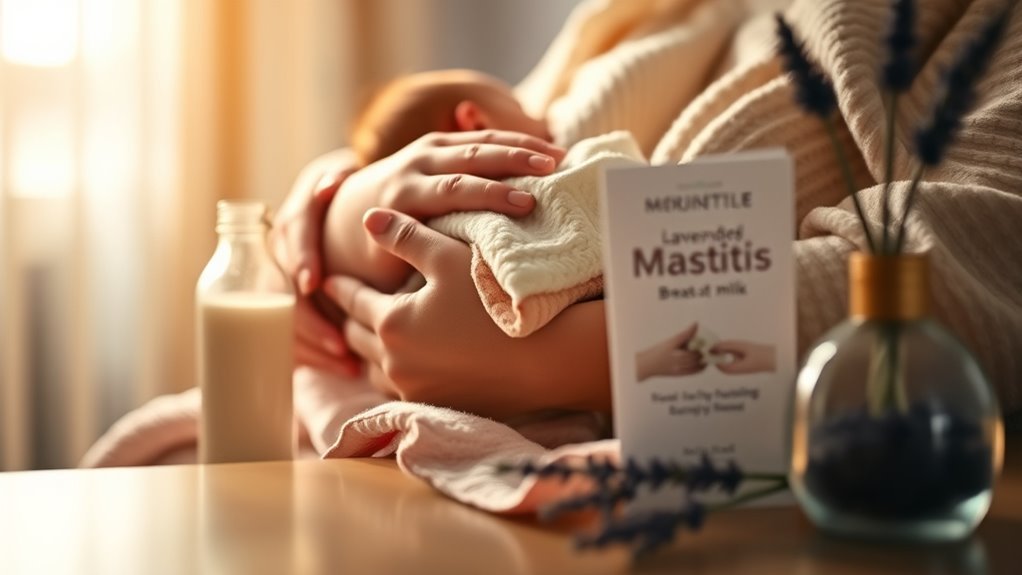
Mastitis, which is an inflammation of the breast tissue, can occur when bacteria enter the breast, often through a cracked nipple, and it can considerably impact your breastfeeding journey. Understanding the causes of mastitis can empower you in prevention. Common causes include engorgement, infrequent breastfeeding, or skipping feedings, allowing milk to accumulate. To prevent mastitis, keep those nipples healthy by ensuring proper latch and addressing any cracks immediately. Be mindful of your breast health by breastfeeding regularly and emptying your breasts thoroughly. Staying hydrated and managing stress also plays a crucial role in maintaining your overall well-being. By taking these proactive steps, you can enjoy a more fulfilling breastfeeding experience, free from the complications that mastitis can bring.
Symptoms of Mastitis in New Mothers
If you notice any unusual changes in your breasts during your breastfeeding journey, it’s important to recognize the symptoms of mastitis early on. Common signs include swelling, redness, and tenderness in the affected area. You might also experience flu-like symptoms, like fever and chills, which can be alarming. Pay attention to any persistent pain that doesn’t improve with usual breastfeeding techniques, as this can indicate an issue. Emotional support from loved ones can be vital during this challenging time. Remember, addressing mastitis promptly not only helps you heal but also guarantees a smoother breastfeeding experience for you and your baby. Don’t hesitate to reach out to your healthcare provider for guidance and support if you suspect mastitis.
Recognizing Signs of Mastitis in Newborns
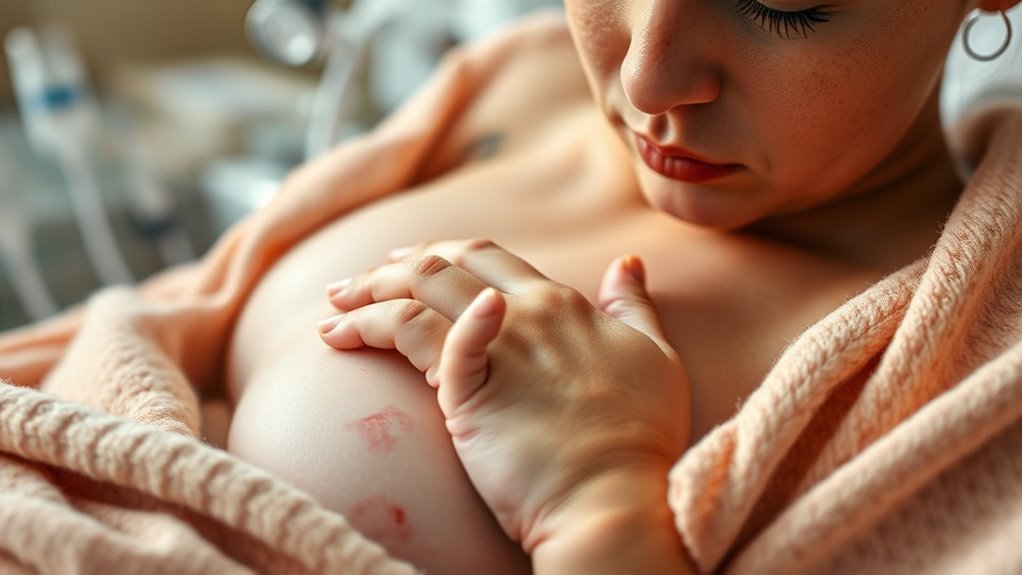
Recognizing signs of mastitis in newborns is essential for their health and comfort. You’ll want to keep an eye out for common symptoms, learn some physical examination techniques, and know when it’s time to seek help. Understanding these points can make a significant difference in addressing this condition effectively.
Common Symptoms to Observe
When caring for a newborn, being aware of the common symptoms of mastitis is essential for ensuring their well-being. Look out for signs such as swelling or redness in the breast area, especially if your baby seems uncomfortable during breastfeeding. If you notice a change in your infant’s feeding patterns—like fussiness or refusal to latch—this could indicate an issue. Additionally, a fever or general irritability in your newborn can signal a problem. It’s important to observe these symptoms closely, as they can affect breastfeeding techniques and overall infant feeding. If you suspect mastitis, consult a healthcare professional promptly to address the issue and support your baby’s health and comfort during this critical stage.
Physical Examination Techniques
Three key physical examination techniques can help you identify signs of mastitis in newborns effectively. Start with a thorough breast examination, gently palpating the breast tissue to check for tenderness or lumps. Next, observe your infant’s feeding patterns; any sudden reluctance to feed might be a warning sign. Finally, assess for skin changes, like redness or warmth, around the nipple area.
Here’s a quick reference table:
| Technique | Observation |
|---|---|
| Breast Examination | Check for tenderness or lumps |
| Feeding Patterns | Note reluctance to suck or feed |
| Skin Assessment | Look for redness or warmth |
| Infant Behavior | Watch for fussiness or irritability |
| Overall Health | Monitor temperature and activity |
When to Seek Help
Identifying the signs of mastitis in newborns is essential for ensuring their health and well-being. If you notice any swelling, redness, warmth, or tenderness in your baby’s breast area, it’s time to seek help. Additionally, if your newborn shows signs of discomfort while breastfeeding or if feeding becomes a struggle, these could indicate breastfeeding challenges linked to mastitis. Pay attention to any unusual fussiness or fever, as these symptoms warrant immediate medical attention. Remember, you’re not alone in this journey; emotional support from healthcare providers and fellow parents can make a significant difference. Don’t hesitate to reach out for help—addressing mastitis early can lead to better outcomes for your baby and a smoother breastfeeding experience for you both.
The Importance of Early Detection and Intervention

Recognizing symptoms of mastitis early can make a significant difference in your newborn’s health. If you notice any signs, don’t hesitate to seek medical advice, as prompt treatment is essential for a quick recovery. Your swift action can help prevent complications and guarantee your baby gets the care they need.
Recognizing Symptoms Early
While it may seem overwhelming to navigate the early days of motherhood, being aware of the symptoms of mastitis can greatly impact your newborn’s health. Early detection and symptom awareness are key to ensuring your little one stays safe and comfortable. Here are some signs to watch for:
- Red, swollen areas on the breast
- Pain or tenderness in the affected area
- Fever or chills
- Unexplained fatigue
Seeking Medical Advice
How can you tell when it’s time to seek medical advice for mastitis? If you’re experiencing persistent breast pain, swelling, or redness, it’s important to consult a healthcare professional. Early detection is essential in preventing complications. Don’t hesitate to reach out for nursing support; they can guide you through symptoms and help you find relief. A lactation consultation can also be invaluable—experts can assess your nursing technique and suggest adjustments that may ease your discomfort. Remember, you’re not alone in this journey, and prioritizing your health is important for both you and your newborn. Seeking help early can make all the difference in managing mastitis effectively and ensuring a smoother breastfeeding experience.
Importance of Prompt Treatment
Early detection and intervention are crucial when it comes to managing mastitis, as ignoring symptoms can lead to more serious complications. By addressing the issue promptly, you can help guarantee your newborn’s health and well-being. Here’s why quick action is essential:
- Prevents severe infection and further complications
- Allows for more effective treatment pathways
- Reduces pain and discomfort for both you and your baby
- Provides emotional support through timely healthcare guidance
Treatment Options for Mastitis in New Mothers
If you’re experiencing mastitis, it’s important to know that effective treatment options are available to help you recover and continue breastfeeding. Alongside medical advice, consider natural remedies and emotional support to ease your journey.
| Treatment Options | Description | Benefits |
|---|---|---|
| Antibiotics | Prescribed by your doctor | Reduces infection |
| Warm compresses | Applied to affected area | Alleviates discomfort |
| Frequent nursing | Encourages milk flow | Helps clear blocked ducts |
Combining these treatments can promote healing, allowing you to nurture your newborn without pain. Remember, you’re not alone—reach out for support from loved ones or join support groups for new mothers facing similar challenges.
Managing Pain and Discomfort During Mastitis
While dealing with mastitis can be overwhelming, managing pain and discomfort effectively is essential for your well-being and your ability to care for your newborn. Here are some comfort strategies to help you find relief:
- Warm compresses: Apply a warm cloth to the affected area for soothing relief.
- Pain relief medication: Over-the-counter options like ibuprofen or acetaminophen can help manage pain.
- Rest and relaxation: Prioritize rest to aid healing; enlist help when needed.
- Gentle massage: Lightly massage the area to promote milk flow and reduce discomfort.
Implementing these strategies can make a significant difference in your experience with mastitis, allowing you to focus on bonding with your baby. Remember, it’s okay to seek support when needed.
Safe Breastfeeding Practices Amid Mastitis
Although mastitis can complicate breastfeeding, it’s essential to maintain safe practices to guarantee both you and your newborn continue to thrive. Start by using proper breastfeeding techniques, ensuring your baby latches correctly to minimize discomfort. If you experience pain, don’t hesitate to try different positions or hold your baby in a way that reduces pressure on the affected area. Milk expression can also help relieve engorgement, allowing your baby to feed more comfortably. Consider expressing milk by hand or using a pump, especially if breastfeeding is too painful. Remember to stay hydrated and rest as much as possible, as your well-being plays a significant role in your recovery and your ability to nourish your little one.
Preventive Measures to Avoid Mastitis
Maintaining safe breastfeeding practices is just one step in managing your health during this time; taking preventive measures can greatly reduce the risk of mastitis. You can empower yourself by making some lifestyle adjustments and paying attention to dietary factors. Here are a few tips to take into account:
- Stay hydrated to support overall milk production.
- Incorporate a balanced diet rich in vitamins and minerals.
- Confirm proper latch during breastfeeding to prevent blockages.
- Practice regular breastfeeding or pumping to avoid engorgement.
When to Seek Medical Advice
If you’re experiencing persistent breast pain, it’s important to pay attention to your body. Additionally, if you notice fever, chills, or any swelling or redness, seeking medical advice is essential. These symptoms could indicate a more serious issue that needs prompt attention.
Persistent Breast Pain
When you’re experiencing persistent breast pain, it’s important to recognize that this discomfort can indicate a more serious issue, especially in the context of mastitis. It’s vital to seek medical advice if you notice any of the following signs:
- The pain lasts more than a few days
- You feel a lump or swelling in your breast
- There’s redness or heat in the affected area
- You’re experiencing persistent discomfort while breastfeeding
Don’t hesitate to reach out for emotional support from friends, family, or healthcare providers. Addressing persistent pain promptly can help prevent complications and guarantee your wellbeing. Remember, you deserve to feel comfortable and supported during this challenging time.
Fever or Chills
Experiencing a fever or chills can be alarming, especially for new parents steering through the challenges of mastitis. It’s essential to monitor your symptoms, as fever can indicate mastitis complications or infection. Here’s a quick guide to help you manage fever effectively:
| Symptom | Action Needed |
|---|---|
| Low-grade fever | Monitor at home; hydrate well |
| Persistent fever | Consult a doctor |
| Fever above 101°F | Seek immediate medical advice |
| Accompanied by chills | Call your healthcare provider |
| Other symptoms | Document and discuss during visit |
Effective fever management can help you stay in control. Trust your instincts—if you’re worried about your newborn’s health, don’t hesitate to seek medical advice.
Swelling or Redness
Swelling or redness in the breast is a common sign of mastitis and can signal an escalating issue that needs attention. It’s important to recognize when these symptoms become a concern. If you’re experiencing any of the following, don’t hesitate to seek medical advice:
- Persistent swelling or tenderness that worsens
- Redness that spreads or doesn’t improve with home care
- Fever accompanying the swelling or redness
- Pain that interferes with breastfeeding
Understanding the swelling causes can help you manage your situation better, while exploring redness treatment options can provide relief. Remember, timely intervention is essential for both your health and your baby’s well-being. You’re not alone in this, and seeking help can lead to a smoother recovery.
Supporting New Mothers: The Role of Partners and Family
Although steering through the challenges of mastitis can be overwhelming for new mothers, the support of partners and family members plays an indispensable role in their recovery and overall well-being. Providing emotional support is essential; listen to her concerns and reassure her that she’s not alone in this journey. Practical assistance can also make a significant difference—whether it’s taking care of household chores, preparing meals, or watching the baby while she rests. Encourage her to take breaks and prioritize self-care, reminding her that her health is critical for her and the baby. Being there for her, both emotionally and practically, empowers her to navigate this tough time with greater ease, fostering a nurturing environment for both mother and child.