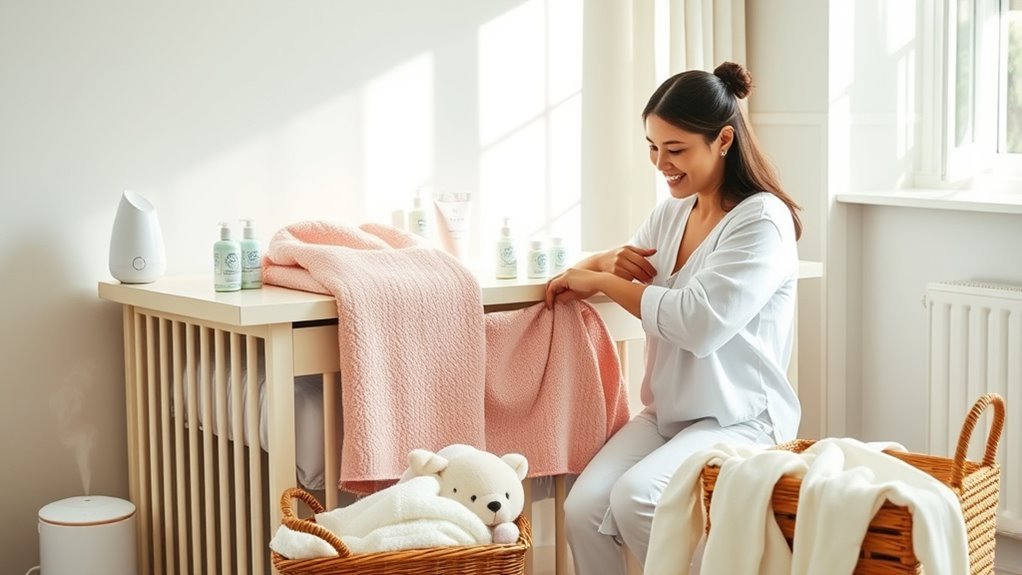

Managing eczema in your infant can be challenging, but understanding the right lifestyle adjustments can make a significant difference. By focusing on skincare, creating a comfortable environment, and being mindful of dietary factors, you can help alleviate your child’s discomfort. It’s important to recognize the triggers that might exacerbate their condition. Let’s explore practical strategies that can aid in improving your infant’s skin health and overall well-being.
Understanding Eczema and Its Triggers

Eczema, also known as atopic dermatitis, is a common skin condition in infants that can cause significant discomfort. Understanding the eczema types is vital for addressing your child’s needs. The most prevalent type, atopic eczema, often appears as dry, itchy patches, usually on the face, inside elbows, or behind knees. Common symptoms include redness, swelling, and oozing blisters, which can lead to sleepless nights for both you and your baby.
Recognizing triggers can help manage flare-ups. Common triggers include allergens, irritants, and temperature changes. By keeping a close eye on your infant’s environment and daily habits, you can identify what exacerbates the condition. This proactive approach empowers you to create a more comfortable space for your little one, enhancing their quality of life.
Choosing the Right Skincare Products
When selecting skincare products for your infant, it’s essential to choose those specifically formulated for sensitive skin to avoid aggravating eczema symptoms. Look for products that contain natural ingredients, as these are often gentler and less likely to irritate your baby’s delicate skin. Avoid anything with harsh chemicals or synthetic additives, as they can worsen eczema flare-ups. Fragrance-free options are particularly important; fragrances can cause allergic reactions and sensitivity. Always perform a patch test when trying a new product, applying a small amount to a limited area first. Consulting with your pediatrician or dermatologist can also guide you in making informed choices that promote your infant’s comfort and skin health, giving you both a sense of freedom from discomfort.
Creating a Suitable Environment

Creating a comfortable living environment is just as important as choosing the right skincare products for your infant’s eczema. You’ll want to monitor the room temperature, keeping it between 68-72°F to prevent overheating, which can exacerbate flare-ups. Additionally, maintaining ideal humidity levels is essential; aim for 40-60% humidity to help keep your baby’s skin hydrated and reduce dryness. Using a humidifier can be beneficial, especially during dry seasons. Be mindful of potential irritants in your home, such as dust, pet dander, and harsh cleaning products. By creating a soothing space, you’re not just fostering comfort but also promoting healing, allowing your little one to thrive without unnecessary discomfort. It’s all about giving your baby the best chance at relief.
Adjusting Bathing Routines
When managing your infant’s eczema, adjusting their bathing routine can make a significant difference. You’ll want to guarantee the water temperature is ideal, use gentle cleansing products, and apply a moisturizer right after bathing. These small changes can help soothe and protect your baby’s sensitive skin.
Optimal Water Temperature
Finding the right water temperature for your infant’s bath can greatly impact their skin’s health, especially for those dealing with eczema. Ideally, you should aim for lukewarm water, typically around 98 to 100 degrees Fahrenheit. Hot water can strip natural oils from your baby’s skin, exacerbating dryness and irritation. Conversely, water that’s too cold can be uncomfortable and might not effectively cleanse the skin. During ideal bathing, limit bath time to about 10-15 minutes to prevent moisture loss. After bathing, gently pat your infant’s skin dry with a soft towel, avoiding harsh rubs. By adjusting the water temperature and bathing duration, you can foster a more comfortable experience that supports your baby’s skin health.
Gentle Cleansing Products
To help manage your infant’s eczema, choosing gentle cleansing products is crucial for maintaining their delicate skin barrier. Look for options that contain natural ingredients, as these are less likely to irritate sensitive skin. Fragrance-free options are particularly important, since synthetic fragrances can provoke flare-ups. When selecting a cleanser, prioritize those that are soap-free and formulated specifically for infants. These products often have a milder pH, which helps preserve the skin’s natural moisture. You might also consider using a small amount of hydrating oil in the bath, but always verify it’s suitable for your baby’s skin type. By making these thoughtful choices, you can create a more soothing bathing experience for your little one, promoting their comfort and well-being.
Moisturizing After Bathing
Although bathing your infant is essential for hygiene, it’s equally important to follow up with proper moisturizing to combat eczema. After each bath, the skin’s moisture barrier can be compromised, so incorporating a post bath routine is crucial. Use a thick, fragrance-free moisturizer within three minutes of bathing to promote moisture retention. This helps lock in hydration, reducing dryness and irritation. Gently apply the moisturizer all over your baby’s skin, focusing on areas prone to eczema flare-ups. Consider using an ointment or cream rather than a lotion for better efficacy. By prioritizing this important step, you’ll not only soothe your infant’s skin but also help them feel more comfortable and free from the discomfort associated with eczema.
Clothing Choices for Comfort
When it comes to dressing your infant with eczema, fabric selection is essential for their comfort. Choosing soft, breathable materials that avoid irritants can greatly reduce flare-ups. Additionally, ensuring a proper fit prevents friction, making it easier for your little one to feel at ease throughout the day.
Fabric Selection Matters
Choosing the right fabric for your infant’s clothing is essential, as certain materials can exacerbate eczema symptoms. Prioritizing fabric breathability and softness can greatly improve your child’s comfort. Natural fibers like cotton are often the best choice, while synthetic fabrics can trap moisture and irritate the skin. Here’s a quick reference table to help you select suitable fabrics:
| Fabric Type | Breathability | Softness |
|---|---|---|
| Cotton | High | Very Soft |
| Bamboo | High | Very Soft |
| Polyester | Low | Moderate |
| Wool | Moderate | Variable |
Avoiding Irritating Materials
In addition to selecting breathable and soft fabrics, it’s equally important to be mindful of other materials that can irritate your infant’s skin. Opt for clothing made from natural fibers like cotton and bamboo, as these are gentle against sensitive skin. Avoid synthetic fabrics, as they may trap moisture and exacerbate eczema symptoms. Additionally, choose hypoallergenic fabrics free from dyes and chemicals, which can further irritate your child’s condition. Always wash new clothes before wearing them, using a mild, fragrance-free detergent to eliminate any residual irritants. By consciously selecting the right materials, you’ll help create a more comfortable environment for your infant, allowing their delicate skin to breathe and heal more effectively.
Proper Fit and Breathability
Ensuring that your infant’s clothing fits properly and allows for breathability is essential in managing eczema symptoms. Proper sizing helps prevent irritation caused by tight or restrictive garments, which can exacerbate discomfort. You should opt for clothing made from breathable fabrics, such as cotton or bamboo, that allow air circulation and reduce moisture build-up. This can help keep your baby’s skin dry and comfortable, minimizing potential flare-ups. Loose-fitting clothes are also advisable, as they reduce friction against sensitive skin. When you choose the right combination of fit and fabric, you create a supportive environment that promotes your infant’s skin health, ultimately allowing them the freedom to move and explore without discomfort.
Dietary Considerations and Recommendations
While guiding dietary considerations for infants with eczema, it’s essential to recognize that food can greatly impact skin health. Understanding your baby’s unique needs can empower you to make informed choices. Here are some key points to reflect on:
Recognizing the link between diet and skin health is crucial for managing eczema in infants.
- Consult a pediatrician for allergy testing to identify potential food sensitivities.
- Explore an elimination diet under professional guidance to pinpoint triggers.
- Guarantee proper hydration, as it’s vital for maintaining skin moisture.
- Contemplate nutritional supplements if dietary gaps are identified.
- Weigh the breastfeeding benefits versus formula choices for ideal nutrition.
These steps, alongside regular pediatric consultations, can help manage eczema effectively while promoting your infant’s overall well-being. It’s a journey, and you’re not alone in steering through it.