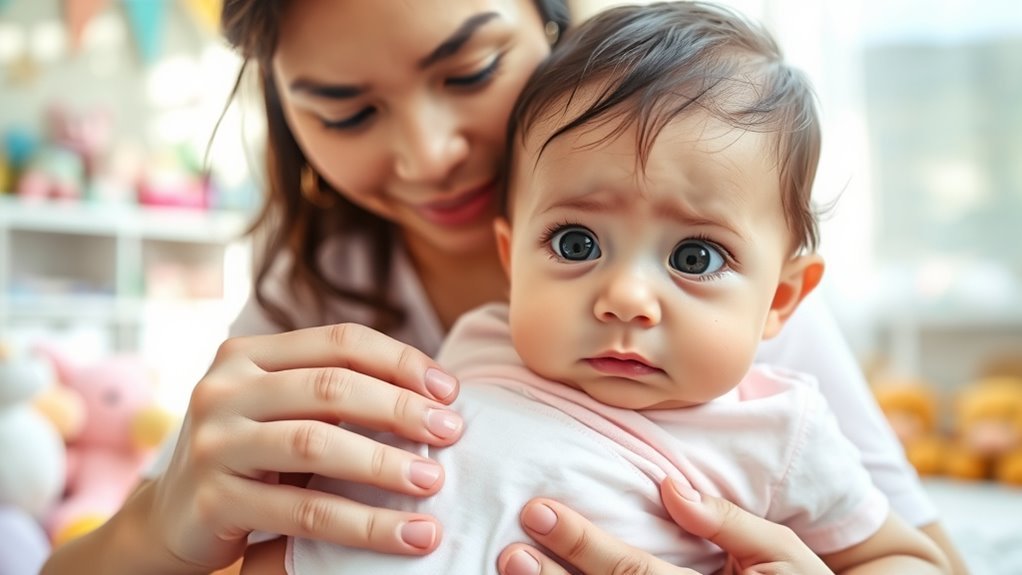

Did you know that diaper rash can affect a child’s development if not addressed promptly? It’s not just a common irritation; it can lead to discomfort and even infections. Understanding how to prevent and treat diaper rash is crucial for your child’s well-being. In this guide, you’ll learn actionable steps to manage this issue effectively and guarantee your little one stays comfortable and healthy. Let’s explore how to tackle this challenge together.
Understanding the Causes of Diaper Rash
Diaper rash is a common issue that many parents encounter during their child’s development, often stemming from a variety of causes. One primary factor is skin sensitivity, which can make your child’s delicate skin more susceptible to irritation. Common irritants include urine, feces, and even certain diaper materials or wipes. Prolonged exposure to these irritants can lead to inflammation and discomfort. Additionally, introducing new foods can change the acidity of your child’s stool, increasing the likelihood of a rash. It is crucial to recognize these triggers and take proactive measures. By understanding these causes, you can create a nurturing environment that promotes your child’s skin health and overall well-being, allowing them the freedom to explore and thrive without discomfort.
Identifying the Symptoms
How can you tell if your child is experiencing diaper rash? Look for signs of skin irritation, such as redness, swelling, or bumps in the diaper area. Your child might also seem fussy or uncomfortable during diaper changes, indicating a possible rash. It’s vital to check for any peeling or flaking skin, as these can also signal irritation. Pay attention to their behavior; if they’re unusually irritable, it could be linked to discomfort from a rash. Early identification is essential for effective rash prevention. By recognizing these symptoms promptly, you can take steps to alleviate your child’s discomfort and support their skin health. Remember, your child’s happiness and well-being depend on your awareness and care.
Implementing Effective Prevention Strategies
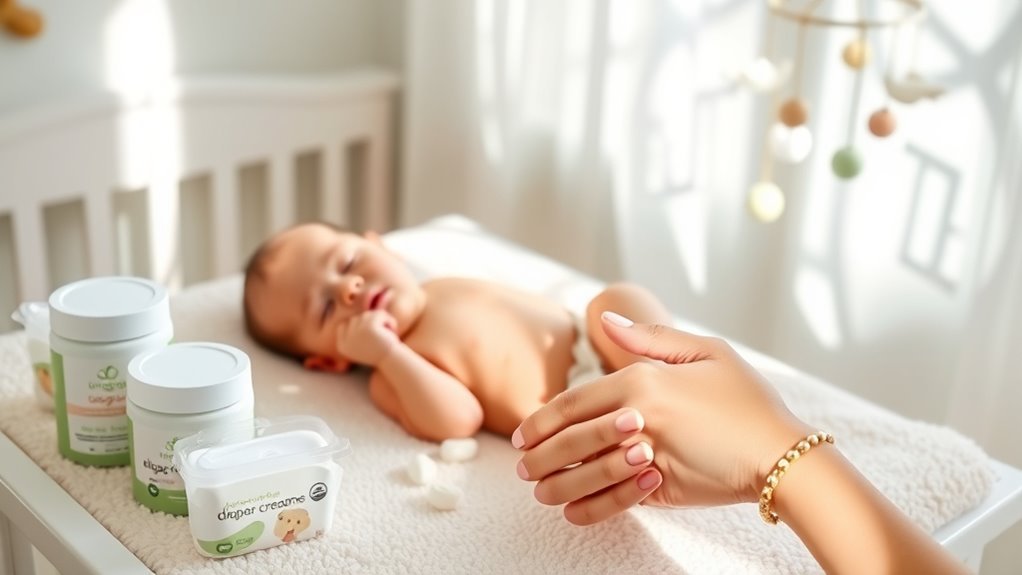
To prevent diaper rash effectively, it is crucial to establish a consistent routine that prioritizes your child’s skin health. Implementing effective prevention techniques can make all the difference in maintaining ideal diaper hygiene. Here are four key strategies to reflect on:
- Change diapers frequently: Regularly check and change your child’s diaper to minimize moisture exposure.
- Clean gently: Use mild, fragrance-free wipes or warm water to clean the area gently, avoiding harsh chemicals.
- Allow air exposure: Whenever possible, let your child’s skin breathe by allowing diaper-free time.
- Apply barrier creams: Use a protective diaper cream to create a barrier against moisture and irritants.
Treatment Options for Diaper Rash
Even with the best prevention strategies in place, some children may still develop diaper rash. When that happens, it’s important to act promptly. You can start by applying topical creams specifically designed for diaper rash; these often contain zinc oxide to provide a protective barrier. Additionally, consider natural remedies, such as coconut oil or aloe vera, which can soothe irritated skin and promote healing. Make sure to keep the area clean and dry, changing diapers frequently. Allowing your child some diaper-free time can also aid recovery. Remember, each child’s skin is unique, so it may take some trial and error to find the best solution that works for your little one.
When to Seek Professional Help
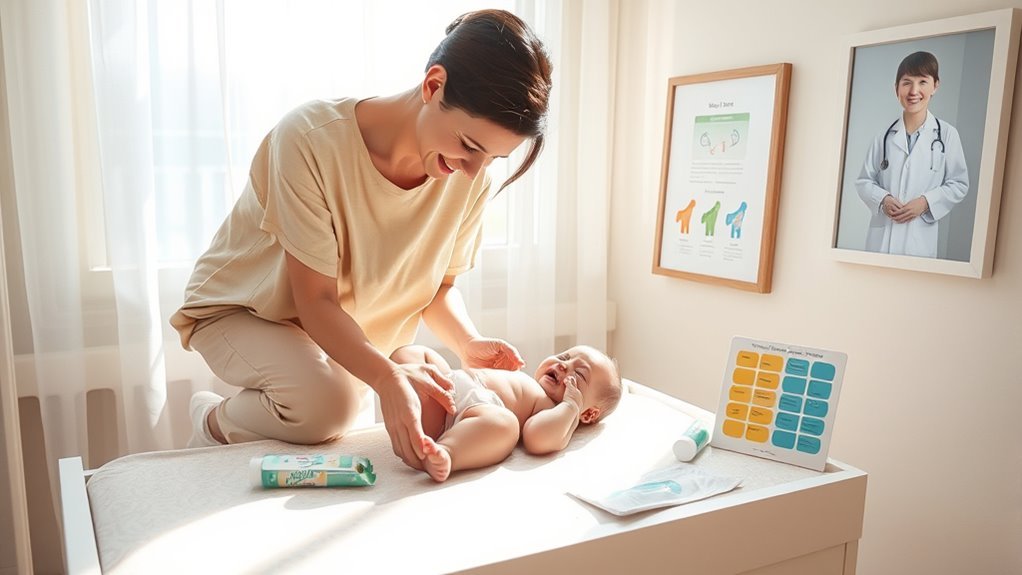
When should you consider seeking professional help for your child’s diaper rash? It’s crucial to stay vigilant and recognize when to consult a healthcare provider. Here are some signs to watch for:
Recognizing when to seek help for your child’s diaper rash is vital for their comfort and recovery.
- Persistent Rash: If the rash doesn’t improve after a few days of home treatment.
- Severe Discomfort: If your child seems to be in significant pain or distress.
- Signs of Infection: Look for symptoms like increased redness, swelling, or discharge.
- Fever: If your child develops a fever alongside the rash, it’s time to seek professional advice.
Taking proactive steps can guarantee your child’s comfort and well-being. Remember, it’s always better to be safe and consult with a healthcare professional when you’re unsure.