

Just like a hidden danger in a fairy tale, hair tourniquets can quietly affect your toddler without warning. It’s crucial to stay vigilant and know what to look for, as these situations can escalate quickly. You might be wondering how to recognize the signs and what immediate actions to take. Understanding the nuances of managing hair tourniquets can make all the difference in ensuring your child’s safety and comfort.
Understanding Hair Tourniquets: What Parents Need to Know
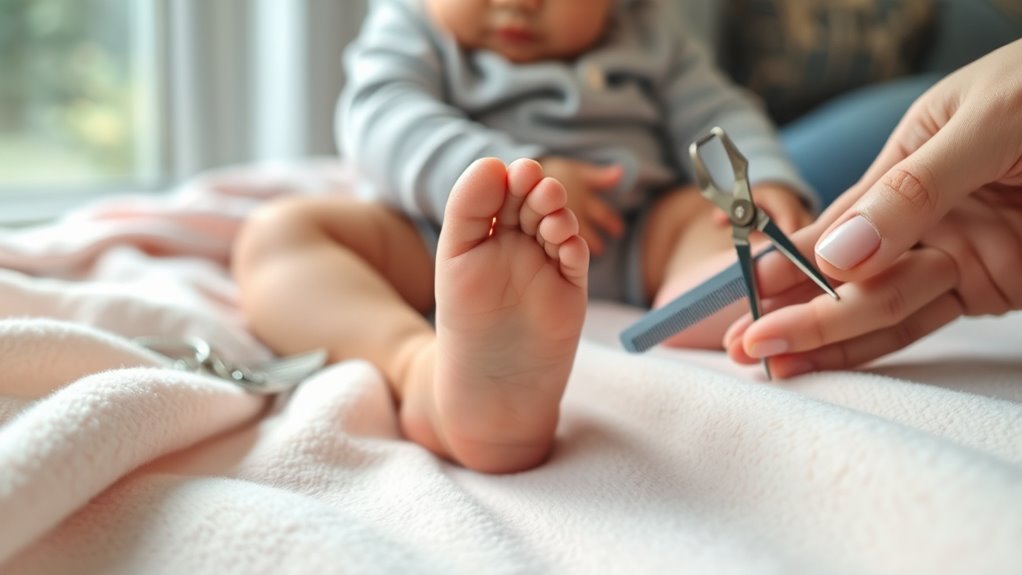
Hair tourniquets can be a concerning issue for parents, as they often go unnoticed until they cause significant pain or injury. Understanding hair anatomy is vital; thin strands can easily wrap around a toddler’s finger or toe, leading to restricted blood flow. Toddlers are naturally curious and active, making them prone to accidents. Their behavior can sometimes mask the discomfort caused by a hair tourniquet, leaving you unaware of the problem. It’s important to regularly check their limbs, especially after playtime or when they’ve been around long hair. By being proactive, you can help prevent serious complications. Stay informed and attentive to your child’s needs, ensuring their freedom to explore remains safe and enjoyable.
Recognizing Symptoms: Signs Your Child May Be Affected
While toddlers are often too young to articulate their discomfort, there are several signs you can look for that may indicate a hair tourniquet is affecting your child. Being vigilant about symptom recognition can help you address issues before they escalate. Watch for these behaviors:
- Increased fussiness or irritability
- Swelling or redness around fingers or toes
- Unexplained changes in mobility or reluctance to use a limb
- Excessive crying, especially when touched or moved
- A noticeable change in their play or interaction with others
These signs may signal that your little one is dealing with something serious. By paying close attention to these symptoms, you can better understand your child’s needs and seek help when necessary.
Immediate First Aid: Steps to Take When a Hair Tourniquet Occurs

When you suspect a hair tourniquet has affected your toddler, it’s vital to act quickly to minimize potential harm. First, gently assess the affected area to determine the severity and verify the hair is indeed causing the constriction. If possible, use scissors to carefully cut the hair and release the pressure; be cautious not to injure your child’s skin. If cutting isn’t feasible, apply a warm compress to help loosen the hair’s grip. This immediate response can alleviate discomfort and prevent further injury. Always keep your toddler calm and distracted during the process. Remember, first aid is about prompt action and reassurance, so stay focused on your child’s well-being and comfort as you address the situation.
When to Seek Medical Attention: Knowing the Right Time to Act
Recognizing the signs that warrant medical attention is essential for your toddler’s safety and well-being. You should be vigilant for urgent signs that indicate the need for emergency response. If you notice any of the following, don’t hesitate to seek help:
- Persistent pain that doesn’t subside
- Swelling or discoloration in the affected area
- Signs of infection, like fever or pus
- Changes in mobility or inability to move the affected digit
- Hair tightly wrapped causing severe distress
Acting quickly can prevent further complications. Trust your instincts—if something feels off, it’s better to err on the side of caution. Your child’s health is paramount, and timely medical attention can make all the difference in their recovery.
Preventative Measures: Tips to Avoid Hair Tourniquets in the Future
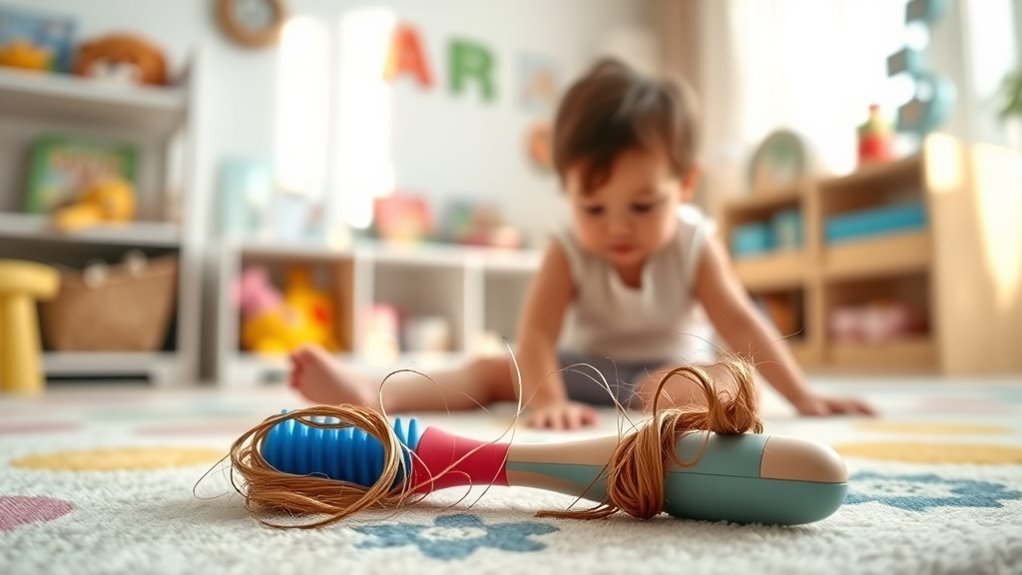
To help prevent hair tourniquets from affecting your toddler in the future, it’s important to create a safe environment where hair is less likely to become entangled. Here are some effective tips for toddler safety and hair care:TipDescription