

Imagine steering through a stormy sea while pregnant; the feeling of instability can be unsettling, especially when faced with diarrhea. It’s a common issue many expectant mothers encounter, yet the discomfort can be overwhelming. Understanding the causes and making simple dietary adjustments can help restore balance. But what steps can you take to guarantee both you and your baby stay healthy during this time? Let’s explore effective strategies for overcoming this challenge.
Understanding the Causes of Diarrhea During Pregnancy

During pregnancy, it’s not uncommon for women to experience diarrhea, and understanding its causes can help ease concerns. Hormonal changes play a significant role in this discomfort, as elevated hormone levels can affect your gastrointestinal health. Progesterone, for instance, may relax the muscles in your digestive tract, leading to altered bowel movements. Additionally, stress and anxiety about pregnancy can impact your gut function, contributing to diarrhea. It’s also essential to take into account that your immune system adapts during this time, making you more susceptible to infections, which can upset your stomach. By recognizing these factors, you can approach this issue with greater awareness, empowering you to seek guidance and make informed decisions for your health and well-being.
Dietary Adjustments to Alleviate Symptoms
While experiencing diarrhea during pregnancy can be distressing, making certain dietary adjustments can greatly alleviate your symptoms. Focus on incorporating fiber-rich foods, such as oats, bananas, and whole grains, which can help regulate your digestive system. It’s also beneficial to adjust your meal frequency; instead of three large meals, try eating smaller, more frequent meals throughout the day. This approach can ease pressure on your digestive tract and promote better absorption of nutrients. Avoid high-fat and spicy foods, as they can exacerbate symptoms. Remember, listening to your body is key; if a particular food seems to trigger discomfort, it’s best to eliminate it from your diet temporarily. These dietary changes can provide you with the relief you seek.
Staying Hydrated: Importance and Tips

Managing diarrhea effectively is not just about what you eat; hydration plays an essential role in your overall well-being during pregnancy. Keeping your body well-hydrated helps maintain electrolyte balance and supports your health as you nurture new life. Here are some hydration sources you should consider:
- Coconut water, rich in electrolytes
- Clear broths or soups for nourishment
- Oral rehydration solutions for fast absorption
Aim to drink plenty of fluids throughout the day. Regular hydration not only combats dehydration but also eases digestive discomfort. Remember, your body is working hard, and staying hydrated is key to feeling your best. If you’re ever unsure about your hydration needs, don’t hesitate to consult your healthcare provider.
When to Seek Medical Advice
Recognizing when to seek medical advice is fundamental, especially since diarrhea can lead to complications during pregnancy. If you’re experiencing prolonged symptoms, it’s essential to consult your healthcare provider. Watch for warning signs like severe abdominal pain, fever, or dehydration. Identifying dietary triggers and managing stress can also play an important role in your well-being.
| Symptoms to Monitor | When to Seek Help | Possible Dietary Triggers |
|---|---|---|
| Severe abdominal pain | Yes | Dairy, spicy foods |
| Persistent diarrhea | Yes | Caffeine, fatty foods |
| High fever | Yes | Artificial sweeteners |
| Signs of dehydration | Yes | Processed foods |
| Blood in stool | Yes | Gluten |
Taking these steps guarantees you prioritize your health and the well-being of your baby.
Natural Remedies for Relief
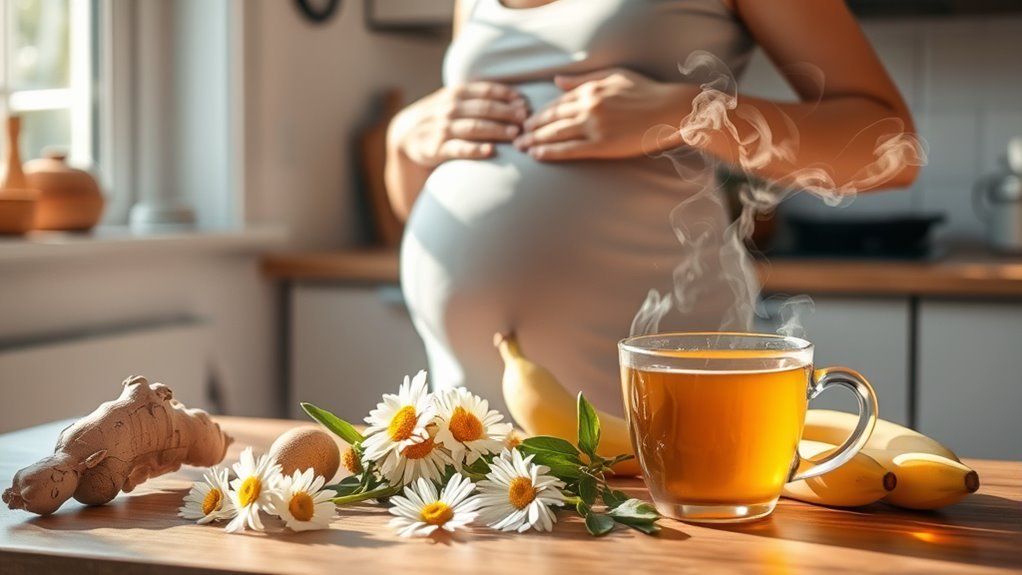
If you’re looking for ways to ease diarrhea during pregnancy, natural remedies can provide gentle relief. These options are often safe and effective, allowing you to manage discomfort with minimal risk. Consider trying:
- Ginger tea: Known for its soothing properties, ginger tea can help settle your stomach and reduce inflammation.
- Peppermint oil: A few drops in a diffuser or diluted with a carrier oil can promote digestion and alleviate cramps.
- Probiotic-rich foods: Incorporating yogurt or fermented foods can help restore the balance of good bacteria in your gut.
Always consult your healthcare provider before trying new remedies to verify they’re appropriate for your situation. Embracing these natural options can empower you to find relief in a nurturing way.