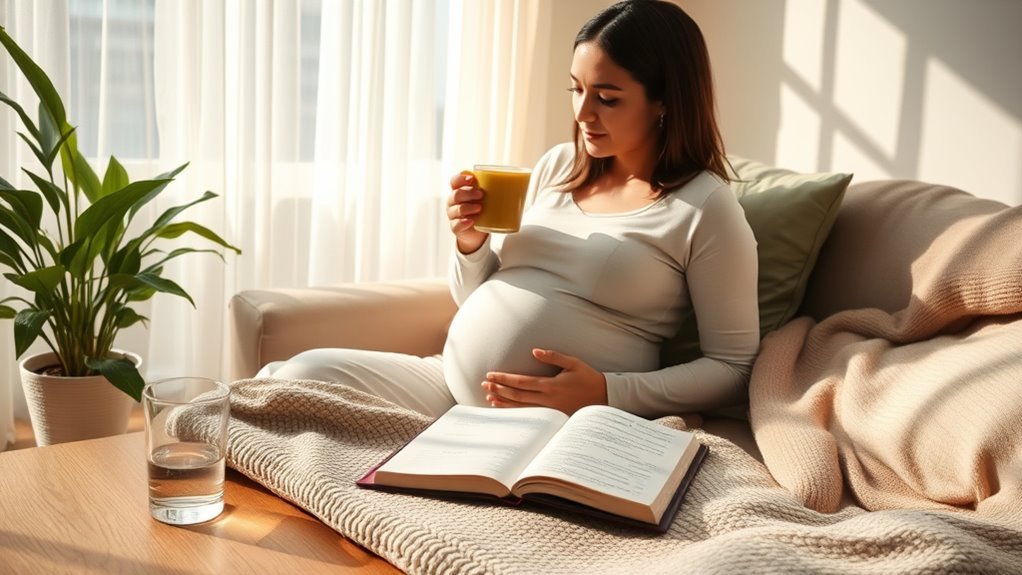

Hiccups during pregnancy can be an uncomfortable and frustrating experience. Understanding their causes and how to manage them is essential for your well-being. By making mindful lifestyle adjustments, you can greatly reduce their occurrence and enhance your comfort. Explore dietary changes, hydration tips, and relaxation techniques that may help. Are you ready to discover effective strategies for overcoming this common pregnancy challenge?
Understanding Hiccups in Pregnancy

While you may not have thought much about hiccups, experiencing them during pregnancy can be quite common. These involuntary contractions of the diaphragm are often linked to changes in your body as it supports fetal development. As your uterus expands, it can put pressure on your diaphragm, disrupting its normal function. This can lead to those annoying hiccups that might catch you off guard. They’re generally harmless, but it’s essential to stay aware of your body’s signals. Understanding the connection between diaphragm function and hiccups helps you navigate this experience with greater ease. Remember, as your baby grows, these little nuisances are just one of many ways your body adapts to nurture new life. Embrace the journey!
The Role of Diet in Managing Hiccups
When you’re dealing with hiccups during pregnancy, your diet can play a significant role in managing this discomfort. Making certain dietary adjustments can help alleviate the frequency and intensity of hiccups. Focus on your food choices—opt for smaller, more frequent meals instead of large ones, as overeating can trigger hiccups. Incorporating soft, easy-to-digest foods like bananas or oatmeal can be beneficial. Additionally, avoiding spicy, acidic, or carbonated foods may reduce irritation in your digestive system, which can contribute to hiccup episodes. Remember, every body is different, so listen to yours and adjust your diet accordingly. By being mindful of what you eat, you can help create a more comfortable experience during your pregnancy journey.
Staying Hydrated: Importance for Mommy and Baby

Staying hydrated is essential for both you and your baby during pregnancy, as proper hydration supports healthy development and can alleviate discomfort, including hiccups. Ensuring you drink enough fluids can boost your energy levels and improve overall well-being. Let’s explore the benefits of hydration and some effective tips to help you maintain adequate fluid intake.
Hydration Benefits for Pregnancy
Maintaining proper hydration during pregnancy is essential, as it supports both your health and your baby’s development. Adequate hydration helps prevent common issues like fatigue, constipation, and swelling, while also promoting ideal amniotic fluid levels. You’ll want to explore various hydration sources to meet your needs.
| Hydration Sources | Benefits |
|---|---|
| Water | Essential for bodily functions |
| Herbal teas | Can soothe nausea |
| Fruits (e.g., watermelon) | High water content, nutrients |
| Vegetables (e.g., cucumbers) | invigorating and hydrating |
| Coconut water | Electrolyte balance |
Incorporating these hydration tips into your daily routine can make a significant difference, ensuring both you and your baby thrive during this special time.
Tips for Staying Hydrated
To guarantee both you and your baby stay healthy, it’s vital to integrate effective hydration strategies into your daily routine. Start by keeping a water bottle handy; sip throughout the day to maintain consistent fluid intake. Aim for at least 8-10 cups of fluids daily, adjusting based on activity level and climate. Incorporate various fluid sources, like herbal teas, smoothies, and fresh fruits, which can enhance hydration and provide important nutrients. Remember to listen to your body’s signals; if you feel thirsty, drink! Avoid excessive caffeine and sugary drinks, as they can lead to dehydration. Finally, consider setting reminders on your phone to make sure you’re regularly consuming fluids. Staying hydrated is critical for both your well-being and your baby’s development.
Mindful Eating: Tips to Prevent Hiccups
When you’re pregnant, eating mindfully can play an essential role in preventing hiccups. By slowing down during meals, you can help your body better process food and reduce the likelihood of discomfort. Additionally, identifying and avoiding trigger foods can further minimize the chances of experiencing hiccups.
Eating Slowly Benefits
Although it might seem trivial, eating slowly can greatly reduce your chances of experiencing hiccups during pregnancy. By adjusting your eating habits, you not only enhance your enjoyment of meals but also promote better digestive health. When you take your time to chew each bite thoroughly, you’re allowing your body to signal fullness more effectively, which can prevent overeating. This mindful approach minimizes air intake, reducing the likelihood of spasms in your diaphragm that lead to hiccups. Additionally, savoring your food can create a sense of freedom and connection with your body, making mealtimes more pleasant. So, prioritize slow eating; it’s a simple yet powerful method to support both your comfort and overall well-being during this unique time.
Avoiding Trigger Foods
Mindful eating goes beyond just savoring your food; it also involves being aware of what you’re consuming. To effectively manage hiccups during pregnancy, you’ll want to focus on trigger food identification. Common culprits include spicy dishes, carbonated beverages, and overly rich foods. By keeping a food diary, you can pinpoint specific items that may lead to discomfort.
Incorporate meal planning strategies that prioritize lighter, easily digestible meals. Opt for smaller portions and a balanced intake of fruits, vegetables, and whole grains. This approach not only enhances your overall well-being but also empowers you to make informed choices. Remember, understanding your body’s reactions is key to enjoying your meals without the interruption of hiccups.
Breathing Techniques to Alleviate Hiccups

As you experience hiccups during pregnancy, employing specific breathing techniques can provide effective relief. Focusing on diaphragm control through deep breathing helps calm your body and may reduce the frequency of hiccups. Here are some techniques to try:
| Technique | Description | Benefits |
|---|---|---|
| Diaphragmatic | Inhale deeply through your nose, allowing your diaphragm to expand. | Enhances oxygen flow |
| Pursed-lip | Inhale through your nose, exhale slowly through pursed lips. | Slows your breathing down |
| Deep Belly Breathing | Place hands on your belly and breathe deeply, feeling it rise. | Promotes relaxation |
| Counting Breaths | Count your breaths while inhaling and exhaling. | Distracts from hiccups |
Incorporating these techniques can empower you to manage your discomfort effectively.
The Impact of Stress and Relaxation Strategies
While stress is a common experience during pregnancy, understanding its impact on your body can empower you to adopt effective relaxation strategies. High levels of stress can lead to physical discomfort, including hiccups, and may affect your overall well-being. Implementing stress management techniques, such as mindfulness meditation or deep breathing exercises, can greatly help you regain control. These relaxation techniques not only reduce tension but also promote a sense of calm, making your pregnancy journey more enjoyable. It’s essential to create a peaceful environment where you can unwind, whether through gentle music or quiet time. Remember, prioritizing your mental health is just as important as caring for your physical health during this transformative period. Embrace these strategies for a more balanced experience.
Gentle Physical Activities to Reduce Hiccups
Engaging in gentle physical activities can be a beneficial way to alleviate hiccups during pregnancy. Incorporating yoga stretches into your routine can help relax your diaphragm and reduce the frequency of hiccups. These stretches promote deep breathing, which can calm your body and mind while easing discomfort. Additionally, gentle walks are a great option; they encourage movement without overwhelming your body. As you walk, focus on your breath and the rhythm of your steps, allowing yourself to unwind. Both activities provide a sense of freedom and connection to your body, which can enhance your overall well-being during this transformative time. Remember, it’s crucial to listen to your body and adjust the intensity of these activities as needed.
When to Seek Medical Advice
When should you contemplate seeking medical advice for hiccups during pregnancy? It’s important to recognize when to worry. If your hiccups persist for an extended period, typically more than 48 hours, or if they’re accompanied by severe discomfort, pain, or any other unusual symptoms, it’s time to contemplate seeking help. Persistent hiccups can sometimes indicate underlying issues that require attention. Additionally, if you notice changes in your baby’s movement or experience any other concerning signs, don’t hesitate to reach out to your healthcare provider. Your peace of mind is essential during this time, and getting the right support can guarantee both your health and your baby’s well-being are prioritized. Remember, it’s always better to be cautious.
Natural Remedies for Hiccups During Pregnancy
Hiccups during pregnancy can be bothersome, but there are several natural remedies that may help alleviate this common issue. One effective approach is sipping on herbal teas, such as chamomile or ginger, which can soothe your digestive system and reduce hiccup frequency. Additionally, incorporating breathing exercises can be beneficial. Deep, slow breaths can relax your diaphragm and help you regain control over involuntary contractions. Try inhaling deeply through your nose, holding for a few seconds, and exhaling slowly through your mouth. Remember, it’s important to stay hydrated and eat smaller meals to minimize hiccups. By embracing these natural remedies, you can find relief while maintaining a sense of well-being during your pregnancy journey.