

Maneuvering the skies with your baby can feel like steering a ship through stormy seas, but dietary adjustments can help smooth the journey. By understanding the impact of meal timing and food choices, you can considerably reduce the likelihood of jet lag symptoms. How can you effectively align your baby’s eating habits with new time zones? The answer lies in a few simple strategies that can make all the difference for both of you.
Understanding Jet Lag in Babies

When traveling across time zones, it’s common for babies to experience jet lag, just like adults do. Jet lag effects can disrupt your little one’s sleep patterns, leading to fussiness and difficulty settling down at bedtime. This happens because babies rely on routines and natural cues to regulate their sleep. When their internal clock gets out of sync with the new time zone, it can take time for them to adapt. To help your baby cope, consider gradually shifting their sleep schedule a few days before your trip. Incorporating familiar bedtime rituals can also provide comfort. Understanding these jet lag effects will empower you to support your baby’s sleep, ensuring a smoother adjustment during your travels and a happier journey for both of you.
The Role of Hydration
Hydration plays an essential role in helping babies adjust to new time zones and combat the effects of jet lag. Ensuring adequate water intake is vital, as dehydration can exacerbate fatigue and irritability. One of the best hydration tips is to offer small sips of water throughout the flight and during layovers. If your baby is still nursing or using formula, keep those options readily available, as they contribute to hydration too. After arriving at your destination, monitor your baby’s cues for thirst and maintain consistent hydration to help their little bodies adapt. Remember, a well-hydrated baby is generally a happier and more comfortable one, making the adjustment smoother for everyone involved.
Adjusting Meal Times
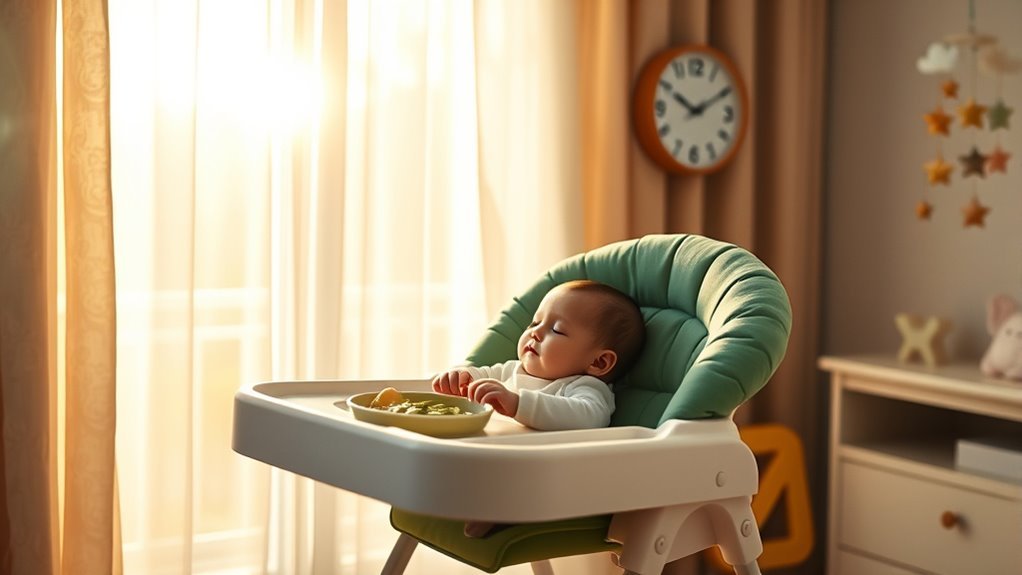
Adjusting your baby’s meal times can greatly ease the shift to a new time zone. Gradually shifting their feeding schedule helps their body clock align with local time, while offering nutrient-rich snacks keeps their energy levels stable. Don’t forget hydration, as it plays a vital role in your baby’s overall well-being during travel.
Gradual Time Shifts
As you prepare for a trip across time zones, gradually adjusting your baby’s meal times can greatly ease the shift and reduce the risk of jet lag. Start shifting meal times by 15 to 30 minutes each day, aligning them closer to your destination’s schedule. This method allows your baby’s body to adapt to the new time zone naturally, helping to stabilize their sleep schedule. By the time you arrive, your little one will find it easier to fall asleep and wake up according to the local routine. Remember, consistency is key; sticking to the adjusted meal times will reinforce their new rhythm, making the shift smoother for both of you and helping you enjoy your travels without the stress of jet lag.
Nutrient-Rich Snacks
While you’re shifting meal times for your baby, incorporating nutrient-rich snacks can further support their adjustment to the new schedule. These snacks, packed with nutrient density, can help your little one stay energized and focused, reducing the impact of jet lag. Timing your snacks is essential; aim for them to bridge the gap between meals.
| Snack Type | Nutrient Benefits |
|---|---|
| Greek Yogurt | High in protein and probiotics |
| Fresh Fruit | Rich in vitamins and hydration |
| Whole Grain Crackers | Good source of fiber and energy |
Hydration Importance
Incorporating nutrient-rich snacks is just one part of managing your baby’s well-being while traveling; hydration plays an equally important role. Staying hydrated can greatly reduce the risk of jet lag in babies. You might consider implementing hydration strategies that focus on regular sips of water or breast milk, especially during flights and layovers. Pay close attention to hydration timing—offer fluids before, during, and after travel to maintain your baby’s comfort and energy levels. Avoid sugary drinks and opt for water or electrolyte solutions designed for infants. By prioritizing hydration, you’re helping your little one adjust to new time zones more smoothly, promoting a happier travel experience. Remember, a well-hydrated baby is a more content and adaptable traveler.
Choosing the Right Foods
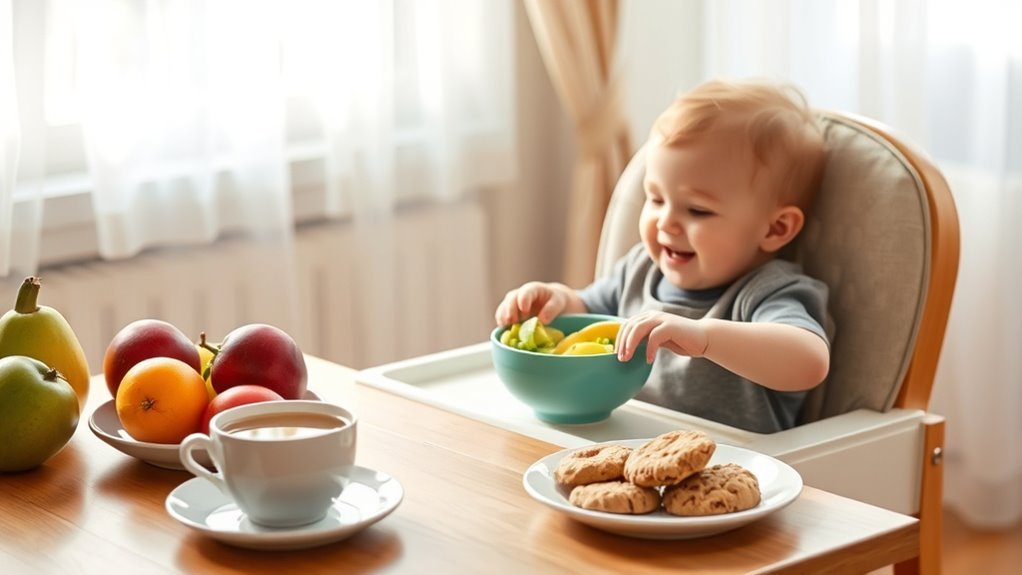
When planning meals for your baby, it’s essential to contemplate how certain foods can influence their sleep patterns, especially during travel. Opt for baby food rich in complex carbohydrates, like oats and sweet potatoes, as they can promote serotonin production, aiding sleep. Incorporating protein sources, such as pureed chicken or lentils, can also help maintain energy levels throughout the day. Avoid sugary snacks, as they may lead to overstimulation and disrupt your baby’s natural rhythm. Consider incorporating travel nutrition principles, like timing meals to align with your destination’s time zone. By making mindful food choices, you can create a calming, supportive environment that encourages restful sleep, making travel more enjoyable for both you and your little one.
Introducing Sleep-Inducing Snacks
Many parents find that introducing sleep-inducing snacks can be a game changer for their baby’s travel routine. Incorporating options like bedtime bananas, which are rich in magnesium and potassium, helps relax muscles and promote sleepiness. You can also blend up some sleepy smoothies, using ingredients like spinach, banana, and almond milk, to create a nutritious and calming treat. These snacks not only satisfy hunger but also support your baby’s natural sleep cycle. Timing is essential; offer these snacks about an hour before bedtime to maximize their sleep-inducing effects. By making these small dietary adjustments, you can help ease your baby’s shift to different time zones and minimize the impact of jet lag on your family’s travel experience.
Avoiding Caffeine and Sugary Foods
To guarantee your baby gets the restful sleep needed during travel, it’s crucial to steer clear of caffeine and sugary foods. These can disrupt your little one’s sleep patterns, leading to crankiness and fatigue. Instead, consider healthier options to promote better rest.
- Opt for caffeine alternatives like herbal teas or decaffeinated beverages.
- Choose sugary substitutes such as fresh fruits for natural sweetness.
- Incorporate whole grains to provide steady energy without spikes.
- Include protein-rich snacks to help sustain energy levels.
- Experiment with calming foods, like oatmeal or bananas, to promote sleep.
Maintaining a Balanced Diet
While traveling with your baby, maintaining a balanced diet is essential for supporting their overall well-being and ensuring they feel their best. Focus on baby nutrition by incorporating a variety of fruits, vegetables, whole grains, and proteins into their meals. Meal planning can help you prepare nutritious snacks and meals in advance, making it easier to stick to a balanced diet on the go. Consider portable options like pureed fruits or whole grain crackers that are easy to pack. Staying consistent with healthy eating habits can minimize the chances of digestive issues and help regulate their sleep patterns, ultimately reducing the risk of jet lag. Remember, a well-nourished baby is a happy baby, even when traveling!
Tips for Feeding During Travel
Feeding your baby during travel can be a challenge, but with a few practical strategies, you can make it a smoother experience. Planning ahead is key. Here are some tips to help you manage baby food and travel snacks effectively:
- Pack a variety of easy-to-eat baby food pouches.
- Choose travel snacks that are mess-free and nutritious.
- Bring a portable high chair or feeding mat for convenience.
- Keep a cooler for perishable items to guarantee freshness.
- Stay flexible with feeding times to accommodate schedules.