

Imagine a cozy room filled with soothing colors, where your baby finds comfort and security. Yet, amidst this tranquil setting, thumb sucking may emerge as a common behavior. Understanding its roots and adopting holistic strategies can pave the way toward gentle solutions. By fostering a nurturing environment and exploring alternative comfort methods, you can effectively guide your little one away from this habit. Let’s explore the approaches that can make a significant difference.
Understanding the Reasons Behind Thumb Sucking
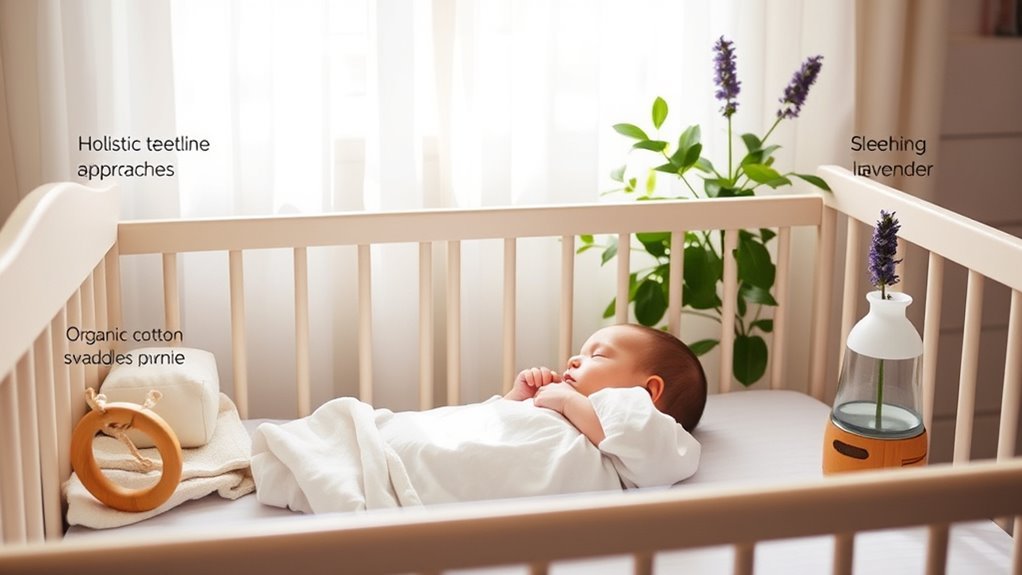
Understanding why babies suck their thumbs can provide valuable insight for parents concerned about this common behavior. This action often stems from various psychological factors, including a natural coping mechanism for stress or anxiety. As infants reach developmental milestones, thumb sucking can serve as a source of comfort, helping them navigate new experiences. It’s important to recognize that this behavior is typically harmless and can even be beneficial for self-soothing. However, if thumb sucking persists beyond certain developmental stages, it may warrant attention. By understanding these psychological factors and the context of your baby’s growth, you can approach thumb sucking with empathy and awareness, allowing your child the freedom to explore this behavior while fostering healthy habits as they develop.
Creating a Calm and Secure Environment
Creating a calm and secure environment is essential for your baby’s overall well-being and can help reduce thumb sucking. By ensuring a safe sleep space, using gentle touch techniques, and maintaining a consistent daily routine, you can foster a sense of security that reassures your baby. This supportive atmosphere not only helps in preventing thumb sucking but also promotes healthy development.
Safe Sleep Space
A safe sleep space is vital for your baby’s well-being, as it fosters a calm and secure environment that can help reduce thumb sucking. Prioritizing sleep safety is imperative; guarantee the crib environment is free from soft bedding, pillows, and toys that could pose risks. Using a firm mattress with a fitted sheet promotes a safe sleeping surface. The room should be dimly lit and quiet to encourage restful sleep. Maintaining a comfortable temperature aids in relaxation, further supporting your baby’s need for security. By creating a nurturing sleep space, you’re not only safeguarding your baby but also empowering them to develop healthy sleep habits, ultimately decreasing the likelihood of thumb sucking.
Gentle Touch Techniques
How can gentle touch techniques help foster a calm and secure environment for your baby? Incorporating gentle massage and soothing strokes into your baby’s routine can greatly enhance their sense of security. These techniques promote relaxation, reduce stress, and create a nurturing atmosphere, allowing your little one to feel safe and comfortable. By using soft, rhythmic movements, you can help ease their anxiety and encourage emotional bonding. This connection not only supports their overall well-being but also helps in curbing thumb-sucking tendencies. When babies experience gentle touch, they’re more likely to develop trust in their surroundings, leading to a more peaceful state of mind. Ultimately, fostering this calm environment is essential for their development and emotional health.
Consistent Daily Routine
Establishing a consistent daily routine can profoundly contribute to your baby’s sense of security and well-being. By incorporating daily rituals, you create an environment where your baby knows what to expect, reducing anxiety and encouraging independence. Aim for consistent sleep patterns, as adequate rest is essential for emotional regulation. Schedule nap times and bedtime to align with your baby’s natural rhythms, and stick to this routine as closely as possible. Engage in calming activities before sleep, such as reading or gentle rocking, to signal it’s time to wind down. This predictability fosters a sense of safety, ultimately reducing the likelihood of thumb sucking as your baby finds comfort in the structure you’ve provided.
Offering Alternative Comfort Objects
Offering alternative comfort objects can be an effective strategy to help your baby shift away from thumb sucking. Consider introducing soft plush toys, pacifiers, or sensory comfort items that can provide the soothing effect your child seeks. These alternatives not only fulfill their need for comfort but also promote healthier habits as they grow.
Soft Plush Toys
Many parents find that introducing soft plush toys can be an effective way to provide babies with alternative comfort objects, reducing their tendency to suck their thumbs. The soft toy benefits are numerous; these cuddly companions offer a sense of security and comfort that babies crave. Their plush texture is soothing against delicate skin, making them appealing for little ones seeking solace. When your baby embraces a plush toy, they’re not just finding comfort, but also developing emotional resilience. This gentle shift can create a healthier association with soothing mechanisms, steering them away from thumb sucking. By incorporating soft plush toys into your baby’s routine, you’re not only offering an alternative but also nurturing their emotional development in a loving way.
Pacifiers as Alternatives
Pacifiers can serve as a helpful alternative comfort object for babies who tend to suck their thumbs. Offering a pacifier can satisfy their need for oral stimulation while providing a safer option. When choosing a pacifier, consider these factors for pacifier safety and effectiveness:
- Pacifier Types: Look for orthodontic designs that support healthy dental development.
- Material: Opt for BPA-free, soft silicone or rubber options that are gentle on your baby’s gums.
- Hygiene: Make certain pacifiers are easy to clean and maintain to prevent any risk of infection.
Sensory Comfort Items
While thumb sucking can be a natural comfort mechanism for babies, introducing sensory comfort items can provide a valuable alternative to help soothe your little one. These items, such as soft toys or textured blankets, offer unique comfort textures that engage your baby’s senses, promoting sensory stimulation without resorting to thumb sucking. By providing various options, you can encourage exploration and comfort in a healthy way. Look for items that are safe and washable, ensuring they’re suitable for your baby’s age and developmental stage. As your little one finds joy in these sensory comfort items, you’ll likely notice a reduction in thumb sucking, fostering independence and freedom while still addressing their need for reassurance and security.
Encouraging Positive Reinforcement
To help your baby break the thumb-sucking habit, incorporating positive reinforcement can be highly effective. By focusing on positive feedback, you can encourage your child to develop healthier habits. Here are three strategies to implement reward systems:Incorporate positive reinforcement to help your baby break the thumb-sucking habit and encourage healthier behaviors.
- Immediate Praise: When you notice your baby not sucking their thumb, offer enthusiastic praise. Your encouragement reinforces their behavior.
- Small Rewards: Consider giving small rewards, like stickers, for every day they avoid thumb-sucking. This tangible recognition motivates them to keep going.
- Create a Chart: Use a visual chart to track their progress. Celebrate milestones together, fostering a sense of accomplishment.
These methods emphasize your baby’s efforts and promote a supportive environment, empowering them towards freedom from thumb-sucking.
Exploring Gentle Distraction Techniques

As you encourage your baby to move away from thumb-sucking, exploring gentle distraction techniques can be a valuable approach. Engaging your little one in distraction games can redirect their focus and energy. Think about creative activities like finger painting, building blocks, or interactive storytelling. These activities not only keep their hands busy but also stimulate their imagination. Encouraging playtime with peers can further enhance social skills while keeping their minds occupied. You might find that singing songs or introducing simple musical instruments can be particularly effective, diverting attention from thumb-sucking. Remember, the goal is to create an enjoyable environment where your baby feels fulfilled and engaged, making the shift away from thumb-sucking feel natural and positive.
Establishing a Consistent Routine
Establishing a consistent routine can markedly reduce your baby’s thumb-sucking habit by providing a sense of security and predictability. By creating consistent schedules, you help your little one feel more comfortable and less anxious. Here are three key elements to evaluate:
Establishing a consistent routine can ease your baby’s thumb-sucking by fostering security and comfort.
- Regular Feeding Times: Verify you feed your baby at the same intervals daily to maintain a sense of stability.
- Bedtime Rituals: Create calming rituals before bed, like reading or gentle rocking, to signal that it’s time to wind down.
- Play and Nap Schedules: Incorporate structured play and nap times to give your baby a rhythm they can rely on.
Implementing these strategies can foster emotional security, making it easier for your baby to let go of thumb sucking.
Identifying and Addressing Triggers

While it’s natural for babies to seek comfort through thumb sucking, identifying and addressing the triggers that lead to this behavior can considerably help in curbing it. Start by observing your baby’s patterns; notice when thumb sucking occurs most frequently. Emotional triggers, such as stress, fatigue, or changes in environment, can often prompt this behavior. By engaging in trigger identification, you can better understand what’s causing your baby to seek comfort. Once you recognize these triggers, you can create a supportive environment that minimizes stressors. Offering alternative soothing strategies, like gentle rocking or cuddling, can also help redirect their need for comfort. This proactive approach can empower you and your baby, fostering a sense of security and independence.
Engaging in Mindfulness Practices
Understanding your baby’s triggers is just one step in the journey to reducing thumb sucking. Engaging in mindfulness practices can be beneficial for both you and your child. By cultivating a calm environment, you can help your baby develop healthier coping mechanisms. Consider these three techniques:
- Mindful Breathing: Practice deep, slow breaths together. This can create a soothing atmosphere, encouraging relaxation.
- Meditation Practices: Introduce simple guided meditations during quiet times, helping your baby feel secure and centered.
- Routine Awareness: Consistently observe and acknowledge your baby’s feelings, making them aware of their emotions without judgment.
Consulting With Healthcare Professionals
Consulting with healthcare professionals can provide valuable insights and support as you navigate the journey of reducing thumb sucking in your baby. Pediatric consultations are essential for understanding the underlying causes of this behavior. A healthcare provider can offer tailored healthcare guidance, helping you develop strategies that align with your baby’s needs. They may recommend alternative soothing techniques or behavioral modifications that encourage healthier habits. It’s vital to discuss any concerns you have, as they can assess your baby’s oral health and emotional well-being. Remember, you’re not alone in this process; engaging with professionals empowers you to make informed decisions and fosters a nurturing environment for your child’s growth and development. Embrace their expertise as you explore holistic solutions.