
Just like a garden needs the right nutrients to flourish, your baby’s growth relies heavily on iron. Iron deficiency can sneak up on you, often presenting subtle signs that may be easy to overlook. Understanding how to prevent this deficiency and support your baby’s health is essential. By exploring dietary options and natural remedies, you can guarantee your little one receives the iron they need for healthy development. What steps can you take today?
Understanding Iron Deficiency in Babies
Understanding iron deficiency in babies is essential because it can greatly impact their development and overall health. Iron deficiency causes can range from inadequate dietary intake to blood loss or absorption issues. Babies, particularly those who are exclusively breastfed after six months, may not get enough iron if their diet isn’t supplemented with iron-rich foods. An early iron deficiency diagnosis is imperative; it allows you to address the issue before it affects your baby’s growth and cognitive abilities. It’s important to monitor your baby’s nutritional intake and consult your pediatrician if you suspect a deficiency. By staying informed and proactive, you can guarantee your little one receives the essential nutrients for a healthy, thriving life.
Signs and Symptoms of Iron Deficiency
Recognizing the signs and symptoms of iron deficiency in babies is essential for timely intervention. You might notice baby fatigue, where your little one seems unusually tired or lethargic. A pale complexion, dark circles under their eyes, and irritability signs can further indicate a potential deficiency. Keep an eye on your baby’s appetite; a poor appetite may also signal trouble. Additionally, watch for delayed milestones, as iron is crucial for growth and development. You may even observe brittle nails or excessive sleeping patterns. By being aware of these signs, you can better advocate for your baby’s health and seek guidance from a healthcare professional if necessary. Early detection is key to ensuring your baby thrives.
Importance of Iron for Baby’s Growth and Development
Iron is essential for your baby’s growth and development, as it plays a key role in brain development and cognitive function. It also supports a healthy immune system, helping your little one fight off infections. Additionally, adequate iron promotes energy and overall growth, ensuring your baby thrives during these important early years.
Essential for Brain Development
A essential nutrient for your baby’s growth, iron plays a important role in brain development. It’s vital for maintaining ideal brain health, as iron is a key component in the formation of hemoglobin, which carries oxygen to the brain. Adequate iron levels support cognitive development, influencing your baby’s ability to think, learn, and remember. Studies show that iron deficiency in infancy can lead to long-term effects on cognitive abilities and emotional well-being. By ensuring your baby receives enough iron through diet or supplements, you’re investing in their future. Incorporating iron-rich foods like pureed meats, beans, and fortified cereals can help promote strong brain health and overall development. Your baby’s growth and learning journey starts with the right nutrition.
Supports Healthy Immune Function
While you might focus on your baby’s growth and brain development, don’t overlook the importance of iron in supporting a healthy immune function. Adequate iron levels are essential for your baby’s immune system, helping it fight off infections and illnesses. Iron aids in the production of hemoglobin, which carries oxygen to cells, ensuring they function effectively. Without sufficient iron, your baby may struggle with iron absorption, leading to weakened defenses. This can make them more susceptible to common infections. Prioritizing iron-rich foods, like pureed meats and leafy greens, can help bolster their immune health. Remember, a strong immune system is critical for your baby’s overall well-being and development, allowing them the freedom to explore their world confidently.
Promotes Energy and Growth
Adequate iron levels play an essential role in promoting your baby’s energy and growth. Iron is fundamental for the production of hemoglobin, which carries oxygen in the blood. If your baby is iron deficient, you might notice lower energy levels, making them less active during critical growth spurts. These periods of rapid development require sufficient iron to support increased physical activity and cognitive functions. Ensuring your baby gets enough iron can help them thrive, boosting their overall vitality and supporting their budding independence. Incorporating iron-rich foods, like pureed meats and fortified cereals, can make a significant difference. By prioritizing iron intake, you’re setting the stage for healthy growth and boundless energy in your little one’s life.
Dietary Sources of Iron for Infants
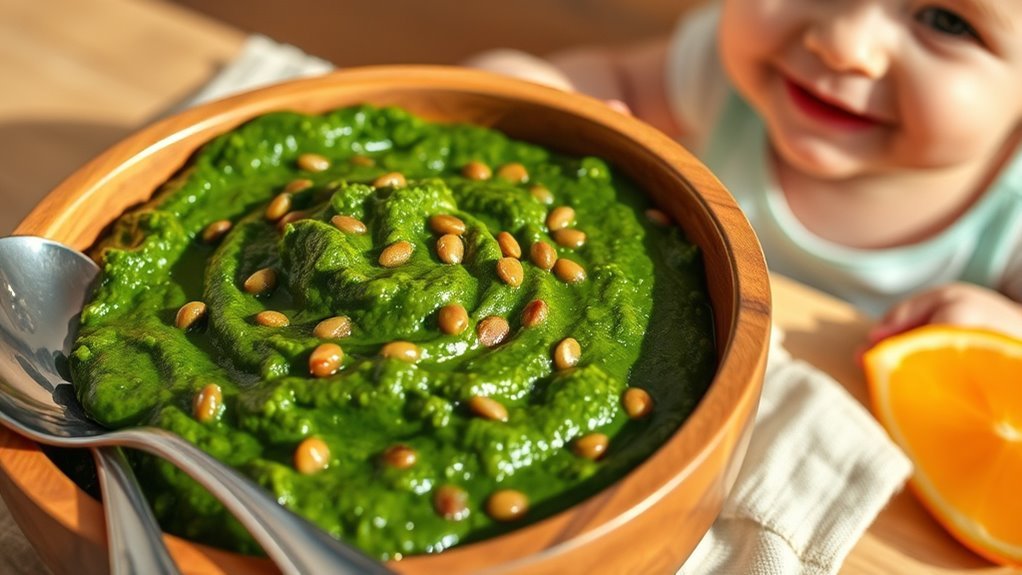
Guaranteeing your baby gets enough iron is essential for their growth and development, especially as they shift to solid foods. You can enhance iron absorption by offering a variety of dietary sources. Here’s a helpful table to guide you:
| Iron Source | Type |
|---|---|
| Fortified cereals | Grain |
| Red meat | Meat source |
| Poultry | Meat source |
| Lentils | Plant source |
| Spinach | Plant source |
When preparing foods, consider cooking methods that preserve nutrients, like steaming or baking. Pairing iron-rich foods with vitamin C sources, such as fruits or vegetables, can further boost iron absorption. This approach guarantees your baby receives the nutrients they need for healthy growth.
Natural Remedies to Boost Iron Levels
To help your baby’s iron levels, you can explore several natural remedies that are both effective and gentle. One option is incorporating natural supplements like liquid iron drops, which can be easier for little ones to absorb. Always consult your pediatrician to verify they’re safe and appropriate for your baby’s age. Additionally, certain herbal teas, such as nettle or dandelion, are known for their iron-boosting properties. You can brew these teas and dilute them for your baby, but again, check with your healthcare provider first. Remember, while these remedies can support iron levels, they shouldn’t replace a balanced diet or medical advice. Embracing these natural approaches can help you feel empowered in your baby’s health journey.
Tips for Introducing Iron-Rich Foods
When introducing iron-rich foods to your baby, focus on options like pureed meats, beans, and fortified cereals. Pairing these foods with sources of vitamin C, such as mashed sweet potatoes or pureed fruits, can enhance iron absorption. This approach not only supports your baby’s nutritional needs but also helps establish healthy eating habits early on.
Best Iron-Rich Foods
Introducing iron-rich foods to your baby can be a rewarding experience, as it sets the foundation for a healthy diet. Start with iron-rich snacks like pureed meats, which are excellent sources of heme iron. If you’re exploring vegetarian sources, consider lentils, chickpeas, and fortified cereals. These options provide non-heme iron, which is still beneficial. Incorporate spinach, pumpkin seeds, and tofu to diversify their palate while boosting iron intake. Remember, it’s important to offer these foods consistently to encourage acceptance. Aim for a balance of flavors and textures to keep mealtime enjoyable. By introducing a variety of iron-rich foods, you’re not just preventing deficiency; you’re also fostering a lifelong love for nutritious eating.
Combining With Vitamin C
Since vitamin C greatly enhances iron absorption, combining iron-rich foods with sources of this vitamin can be a game changer for your baby’s nutrition. For instance, pairing lentils or spinach with orange slices or strawberries not only makes meals more appealing but also boosts iron uptake. You can also try serving iron-fortified cereals with a splash of fresh fruit juice, which is a great vitamin C source. This simple strategy can considerably improve your baby’s ability to absorb the iron they need to grow strong and healthy. Remember, making mealtime enjoyable can foster a positive relationship with food. So, explore different combinations and watch your little one thrive on this nourishing journey.
Monitoring and Preventing Iron Deficiency in Babies
Although iron deficiency can have serious implications for a baby’s development, proactive monitoring and prevention can greatly reduce the risk. Regular iron screening during routine check-ups helps identify potential deficiencies early on, allowing you to take action before any significant issues arise. Additionally, consistent growth monitoring is essential; if your baby isn’t gaining weight or growing as expected, it may signal an iron deficiency. Make sure your baby’s diet includes iron-rich foods, and consider speaking with your pediatrician about appropriate supplements if needed. By staying informed and engaged, you can empower yourself to safeguard your baby’s health and development, guaranteeing they thrive during these vital early years.