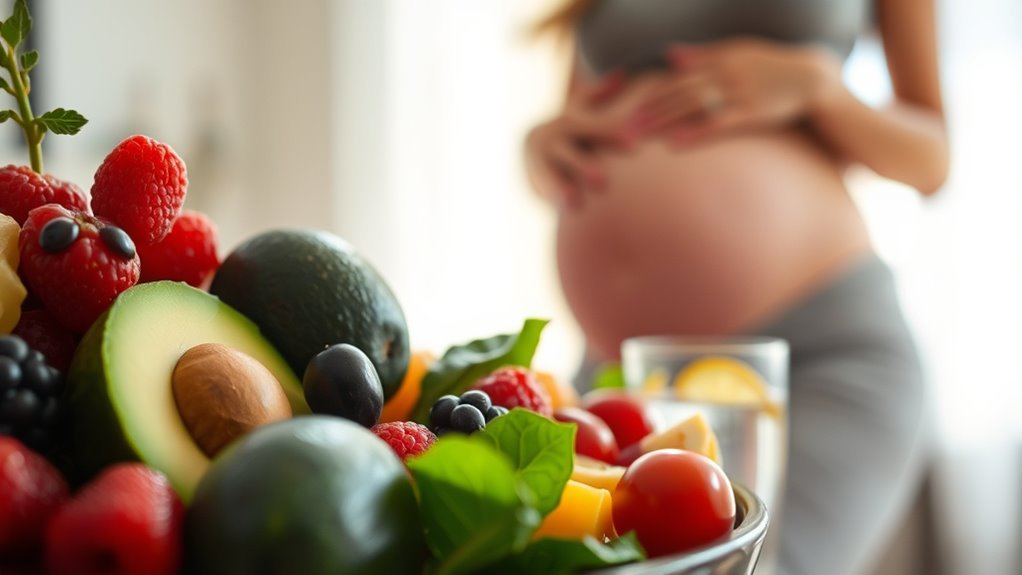

Like a gentle tide that shapes the shore, dietary changes can greatly influence your skin health during pregnancy, especially when it comes to cradle cap. Understanding the connection between what you eat and how your skin reacts is vital. By focusing on specific nutrients, you can support both your well-being and that of your baby. Curious about which foods can make a real difference? Let’s explore the essential dietary adjustments you can implement.
Understanding Cradle Cap: What It Is and Why It Occurs
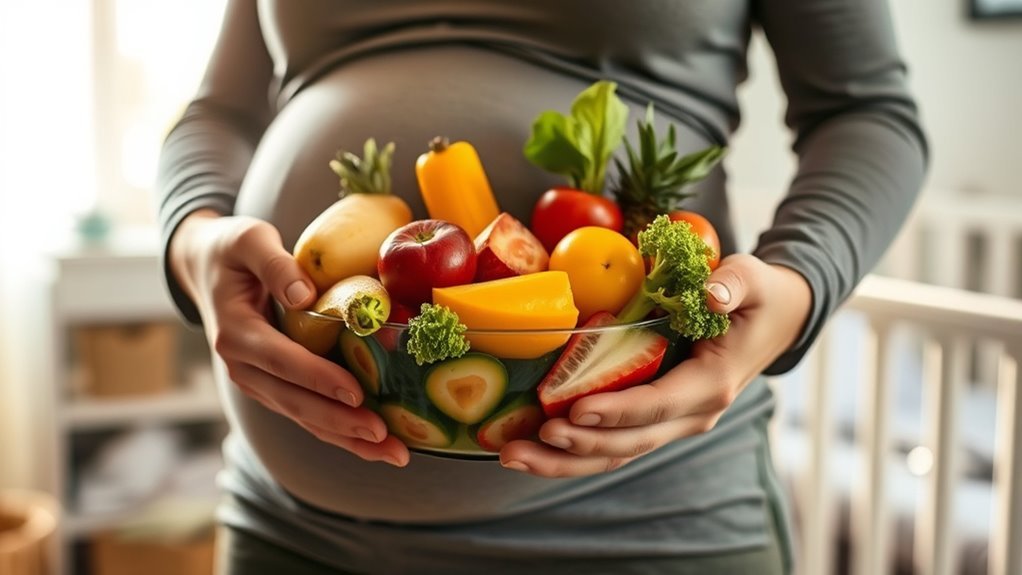
Cradle cap, medically known as seborrheic dermatitis, is a common condition that affects many infants, presenting as scaly patches or crusts on the scalp. This skin condition usually appears in the first few months of life and can be alarming for new parents. You might notice your baby has dry, flaky skin or greasy, yellowish scales. While it’s not harmful, understanding cradle cap is essential for addressing any infant symptoms. Treatment options include gently washing the scalp with a mild shampoo and using a soft brush to loosen the scales. In most cases, it resolves on its own, but if you’re concerned, consulting your pediatrician can provide reassurance and guidance tailored to your baby’s needs.
The Connection Between Hormones and Skin Health
While it’s common to focus on the physical aspects of skin health, hormonal fluctuations play a significant role in how your skin reacts and changes, especially during pregnancy. These fluctuations can impact skin hydration, leading to dryness or excess oil production. The balance of hormones like estrogen and progesterone can affect your skin’s ability to retain moisture, making it essential to understand this connection. Maintaining proper hydration is key; consider drinking plenty of water and incorporating hydrating foods into your diet. Additionally, using gentle moisturizers can help soothe changes in your skin. By recognizing how hormones influence skin health, you empower yourself to take proactive steps toward nurturing your skin during this transformative time.
Importance of Omega-3 Fatty Acids in Your Diet
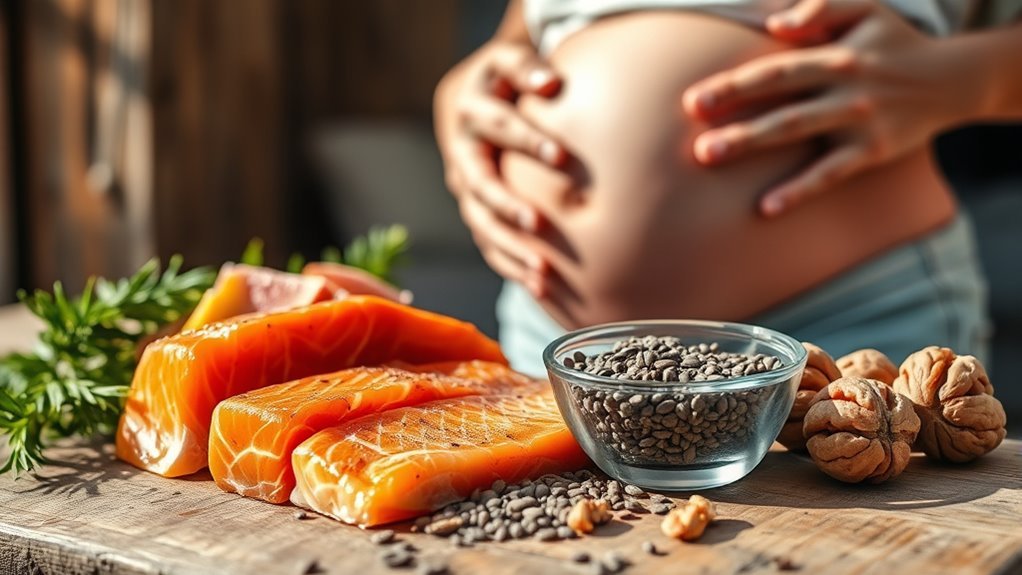
Maintaining a balanced diet during pregnancy is essential for both your health and your baby’s development. One key component you shouldn’t overlook is omega-3 fatty acids. These healthy fats are vital for brain development and can help reduce inflammation, which may assist in alleviating skin issues like cradle cap. You can find omega-3 sources in foods like fatty fish, walnuts, flaxseeds, and chia seeds. Incorporating these into your meals can provide numerous omega-3 benefits, including improved mood and enhanced cognitive function for both you and your baby. So, embrace these nutrient-rich options and empower yourself during this transformative time. Your body—and your baby—will thank you for it!
Incorporating Antioxidant-Rich Foods
Incorporating antioxidant-rich foods into your diet can greatly benefit your skin and overall health during pregnancy. These powerful nutrients help combat oxidative stress, which may contribute to conditions like cradle cap. Foods such as berries, dark leafy greens, and nuts are excellent sources of antioxidants that you can easily add to your meals.
Benefits of Antioxidants
Antioxidants play an essential role in promoting overall health, especially during pregnancy. These powerful compounds help combat oxidative stress, which can negatively impact both you and your developing baby. By incorporating antioxidant-rich foods into your diet, you can harness the antioxidant benefits that support cellular health and boost your immune system. Common antioxidant sources include fruits like berries, vegetables such as spinach, and nuts like walnuts. These foods not only provide crucial nutrients but also help reduce inflammation and promote skin health, which is particularly beneficial for preventing cradle cap. Embracing these dietary changes can empower you to enhance your well-being, allowing you to enjoy your pregnancy with greater confidence and vitality.
Top Antioxidant Foods
While you’re steering through the journey of pregnancy, including a variety of antioxidant-rich foods in your diet can greatly enhance your health and that of your baby. Blueberries are a fantastic choice, packed with vitamins C and E, which help combat oxidative stress, offering numerous blueberry benefits that support your immune system. Spinach sources are equally important; they’re loaded with antioxidants like lutein and zeaxanthin, which promote healthy vision and skin. Incorporating these foods not only nourishes you but also contributes to your baby’s development. Keep things colorful by adding other fruits and vegetables, embracing the freedom to explore different flavors while prioritizing your well-being. Make these nutrient-dense foods a staple in your meals for lasting health benefits.
The Role of Hydration in Skin Health
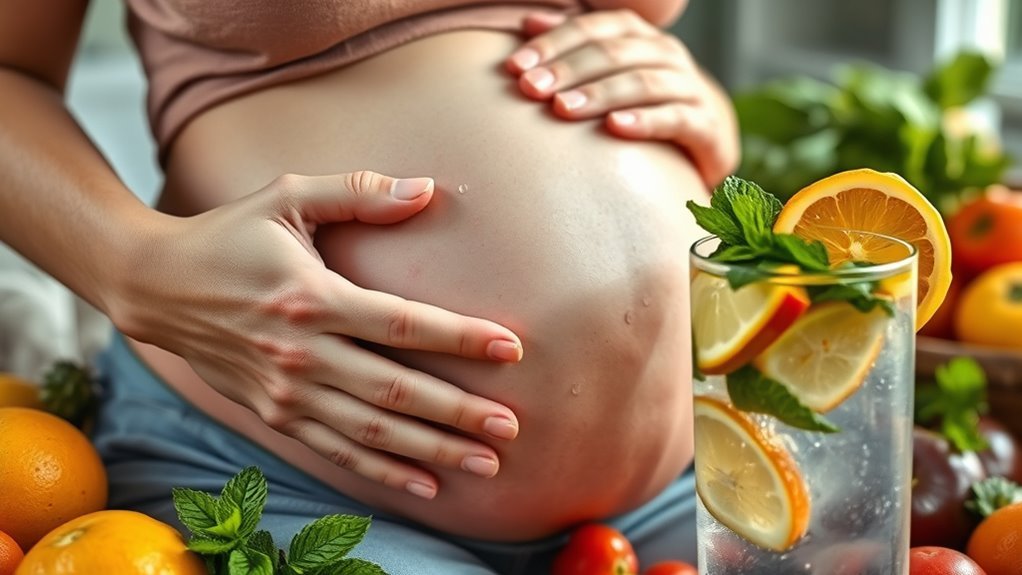
Since maintaining proper hydration is essential for overall health, it also plays a crucial role in skin health, especially during pregnancy. Staying well-hydrated offers numerous hydration benefits, including improved skin elasticity. When your skin is adequately hydrated, it’s more resilient and better equipped to handle the changes your body undergoes during pregnancy. This can help reduce the likelihood of dry patches or irritation, including cradle cap. Aim for at least eight glasses of water a day, and consider incorporating foods with high water content, like fruits and vegetables. Remember, your body’s hydration levels can affect not just your skin but your overall well-being, so prioritize drinking enough water to maintain that radiant glow and skin health throughout your pregnancy.
Identifying and Avoiding Trigger Foods
How can you effectively identify and avoid trigger foods that may contribute to cradle cap during pregnancy? Start by keeping a food diary, noting what you eat and any skin reactions you experience. This trigger food identification process helps reveal patterns that may indicate specific foods affecting your skin. Common culprits can include dairy, gluten, and processed sugars, so consider elimination strategies to remove these from your diet for a few weeks. After that, slowly reintroduce them one at a time, monitoring any changes in your skin condition. This mindful approach not only empowers you to take control of your health but also fosters a deeper connection with your body’s needs during this transformative time.
Beneficial Supplements for Skin Health
After identifying and avoiding potential trigger foods, it’s important to contemplate how supplements can support skin health during pregnancy. Incorporating beneficial oils, such as omega-3 fatty acids, can help reduce inflammation and promote skin hydration. These oils not only nourish your skin but also contribute to overall wellness. Skin supplements rich in vitamins A, C, and E are also essential during this time. Vitamin A supports skin cell turnover, while vitamins C and E offer antioxidant protection, helping to combat oxidative stress. Always consult your healthcare provider before starting any new supplements to guarantee they’re appropriate for your unique situation. Remember, investing in your skin health during pregnancy can lead to a more radiant and comfortable experience.
Meal Planning for Healthy Skin
When it comes to meal planning for healthy skin, focusing on nutrient-rich foods is essential. Incorporating fruits, vegetables, whole grains, and healthy fats can greatly improve your skin’s appearance and resilience. Don’t forget that staying well-hydrated is just as important, as it helps maintain skin elasticity and overall health.
Nutrient-Rich Foods
While you may not immediately connect your diet to skin health, incorporating nutrient-rich foods can play an essential role in combating cradle cap during pregnancy. Focusing on nutrient timing and integrating superfood options into your meals can enhance your skin’s resilience. Here are some foods to take into account:
- Avocados: Packed with healthy fats that nourish your skin.
- Berries: Rich in antioxidants to fight inflammation.
- Salmon: Provides omega-3 fatty acids for hydration and elasticity.
- Nuts and Seeds: Great sources of vitamin E for skin repair.
- Leafy Greens: Loaded with vitamins A and C, promoting skin health.
Hydration Importance
Hydration plays an essential role in maintaining healthy skin during pregnancy, especially when addressing conditions like cradle cap. To guarantee peak skin moisture, aim for at least eight glasses of water daily. This is one of the simplest hydration tips you can follow. Incorporate hydrating foods like cucumbers, watermelon, and oranges into your meals, as they also contribute to your overall fluid intake. Remember, dehydration can lead to dryness, exacerbating skin conditions. If you’re feeling thirsty, you’re already on your way to dehydration, so drink regularly throughout the day. Staying hydrated not only supports your skin’s health but also promotes your overall well-being during this transformative time. Embrace these practices for radiant, healthy skin!
Lifestyle Tips to Complement Dietary Changes
Incorporating a few simple lifestyle tips can greatly enhance the dietary changes you’re making to combat cradle cap during pregnancy. By focusing on your overall well-being, you can create a nurturing environment for both you and your baby. Here are some effective strategies:
- Maintain a consistent skincare routine to keep your scalp moisturized.
- Practice stress management techniques, like meditation or yoga, to promote relaxation.
- Get adequate sleep to support your body’s natural healing processes.
- Stay active with gentle exercises to improve circulation and reduce stress.
- Limit exposure to irritants, including harsh hair products, to protect your scalp.