

Isn’t it fascinating how the foods we introduce to our babies can shape their health for years to come? Preventing food allergies isn’t just about avoiding certain ingredients; it’s about a thoughtful approach to nutrition and eating habits. By understanding the importance of early exposure and mindful practices, you can help create a positive relationship with food. But what specific strategies can truly make a difference? Let’s explore these holistic approaches together.
Understanding Food Allergies in Infants
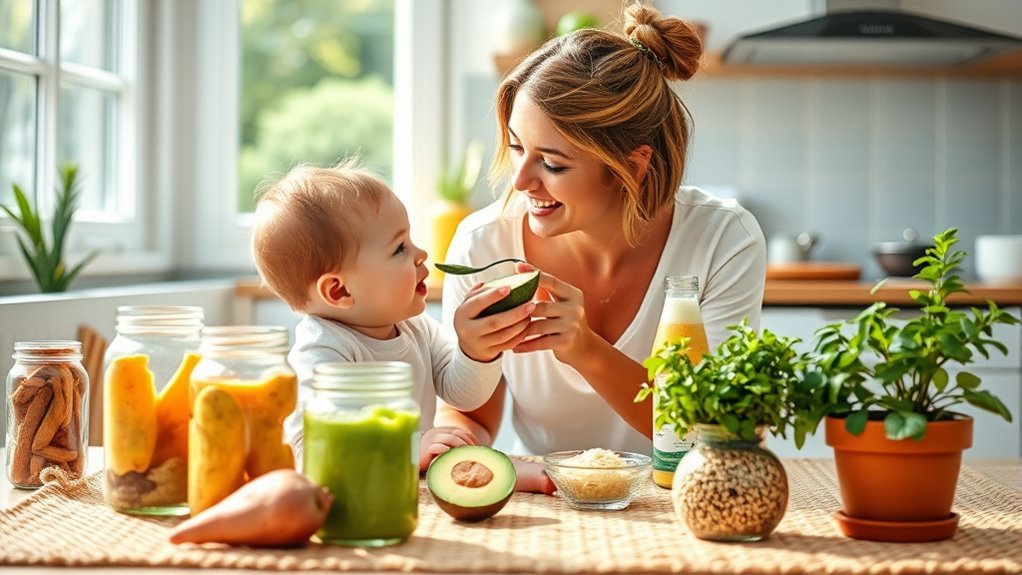
When you commence your journey of introducing solids to your baby, it’s essential to understand that food allergies can develop during this significant stage. The immune system plays an important role in this process, influenced by genetic factors and environmental influences. Pay attention to your family history, as it can indicate potential risks. Dietary patterns early on can shape your baby’s microbiome health, which is critical for digestive health. Early interventions, such as gradual allergen exposure, can help reduce the likelihood of allergies. Watch for skin reactions or digestive issues, as these can signal sensitivity. By being proactive and informed, you can create a nurturing environment that supports your baby’s growth while minimizing allergy risks.
The Importance of Early Food Introduction
Introducing a variety of foods early on can play a vital role in your baby’s development and may help reduce the risk of food allergies. Research suggests that timing matters, as earlier exposure to potential allergens can promote tolerance. By gradually introducing diverse options, you’re not only expanding their palate but also supporting their immune system in the process.
Timing of Exposure
Research suggests that the timing of exposure to potential allergens plays a crucial role in preventing food allergies in babies. By implementing effective timing strategies, you can help your child develop a tolerance to common allergens. Introducing foods like peanuts and eggs early—ideally between 4 to 6 months—can greatly reduce the risk of allergy development. Using safe exposure methods, such as offering these foods in small amounts and gradually increasing their quantity, allows your baby’s immune system to adapt. It’s important to consult with your pediatrician before starting, especially if your family has a history of allergies. By taking these proactive steps, you’re empowering your child’s health and giving them the freedom to explore a diverse range of foods.
Diverse Food Options
While many parents may feel apprehensive about introducing a variety of foods to their babies, doing so plays a vital role in reducing the risk of food allergies. Research shows that early exposure to diverse food options, including cultural cuisines and seasonal ingredients, can help a baby’s immune system learn to recognize and tolerate different proteins. This not only broadens their palate but also fosters a healthy relationship with food. Incorporating new flavors and textures can make mealtime exciting and less intimidating for both you and your child. By embracing a wide range of foods, you’re not just nurturing their taste buds; you’re also laying a strong foundation for their lifelong health and well-being.
Gradual Allergy Testing
As you begin to navigate your baby’s food journey, it is essential to recognize the significance of gradual allergy testing. Introducing new foods slowly helps identify potential allergy triggers, allowing you to create a personalized food diary to track your baby’s reactions. This approach fosters a sense of freedom in your child’s diet while ensuring safety.
| Food Introduced | Potential Allergy Trigger | Reaction Observed | Date Introduced | Notes |
|---|---|---|---|---|
| Peanuts | Yes | None | 01/01/2023 | Safe |
| Eggs | Yes | Rash | 01/05/2023 | Avoid for now |
| Milk | Yes | None | 01/10/2023 | Safe |
| Wheat | Yes | Stomach ache | 01/15/2023 | Avoid for now |
| Soy | Yes | None | 01/20/2023 | Safe |
This method empowers you to make informed choices for your baby’s health.
Mindful Eating Practices for Babies
When introducing new foods to your baby, consider using sensory exploration techniques to make the experience enjoyable and engaging. Gradually introducing foods not only helps your baby develop a taste for a variety of flavors but also allows their system to adjust and identify any potential allergens. By fostering a mindful eating environment, you’re setting the stage for healthy eating habits that can last a lifetime.
Sensory Exploration Techniques
Engaging your baby in sensory exploration not only fosters a positive relationship with food but also supports their developing taste preferences. By incorporating sensory play into mealtime, you encourage taste exploration and promote healthy eating habits. Here are some effective techniques you can try:
- Texture Variety: Present foods with different textures, like smooth purees and chunky pieces.
- Colorful Presentation: Use a rainbow of fruits and vegetables to make meals visually appealing.
- Interactive Eating: Allow your baby to touch, squish, and play with their food.
- Smell Exploration: Introduce them to the aromas of various foods before tasting.
- Family Meals: Share mealtimes with your baby, modeling positive eating behaviors.
These techniques can enhance your baby’s food experience and encourage adventurous eating.
Gradual Introduction of Foods
Introducing new foods to your baby can be a rewarding experience, helping to build their palate and establish healthy eating habits. Start with simple, smooth food textures, like pureed fruits or vegetables, before gradually introducing chunkier options. This progression allows your baby to adapt comfortably. As you explore flavors, consider creative flavor pairing, such as mixing sweet peas with a hint of mint or combining apple with cinnamon. These combinations not only enhance taste but also encourage an adventurous palate. Remember, consistency is key; introduce one new food at a time to monitor for any allergic reactions. This mindful approach fosters a positive relationship with food, empowering your baby to enjoy a diverse and healthy diet as they grow.
Gradual Exposure to Allergenic Foods
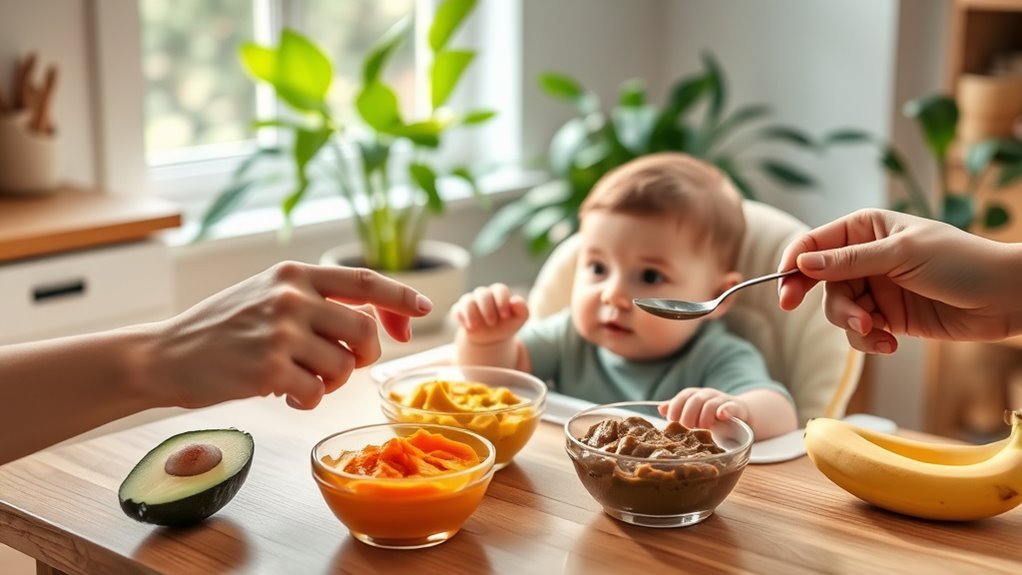
As you consider the best approach to introducing allergenic foods to your baby, gradual exposure can play an essential role in reducing the risk of food allergies. By fostering allergen awareness and introducing diverse food textures, you can create a positive eating experience for your little one. Here are some key strategies:
- Start with small amounts of allergenic foods, like peanut butter or eggs.
- Mix allergenic foods with familiar flavors to ease the shift.
- Monitor for reactions for a few days after each introduction.
- Gradually increase the frequency and portion size over time.
- Consult with your pediatrician for personalized advice.
This approach not only helps minimize allergy risks but also encourages a healthy relationship with food, empowering your baby to explore new tastes.
The Role of Probiotics in Allergy Prevention
While gradually exposing your baby to allergenic foods is a significant step in allergy prevention, another area gaining attention is the role of probiotics. Research suggests that a healthy gut plays an important role in preventing allergies, as it helps balance the immune system. By incorporating probiotic sources like yogurt, kefir, and fermented foods into your baby’s diet, you can support their gut health and potentially reduce the risk of food allergies. These beneficial bacteria help strengthen the gut barrier and promote a diverse microbiome, which is essential for immune function. Remember, it’s always best to consult with a pediatrician before introducing new foods. Empowering your baby’s gut health may pave the way for a smoother relationship with food.
Incorporating Nutrient-Dense Foods

Incorporating nutrient-dense foods into your baby’s diet can greatly contribute to their overall health and development, especially when considering allergy prevention. Focusing on nutrient timing and providing a variety of foods can help expose your little one to essential nutrients while potentially reducing allergy risks.
Consider these nutrient-dense options:
- Avocados for healthy fats
- Sweet potatoes for beta-carotene
- Quinoa for complete protein
- Leafy greens for crucial vitamins
- Berries for antioxidants
Introducing diverse foods encourages a well-rounded diet and enhances your baby’s palate. By prioritizing nutrient density, you’re not just feeding your baby; you’re nurturing their growth and helping build a robust immune system, paving the way for a healthier future.
Avoiding Common Mistakes in Introducing Solids
Introducing solids to your baby can be an exciting milestone, but it’s essential to navigate this phase carefully to avoid common pitfalls. Many parents fall into allergy misconceptions, believing that delaying certain foods prevents allergies. This timing error can lead to unnecessary over restriction, preventing your baby from exploring diverse flavors. Texture issues also arise when introducing solids; starting too smooth may cause flavor aversion later on. Keep ingredients simple to avoid ingredient confusion, and trust your instincts. Parental anxiety can cloud your judgment, making you hesitant. Remember, each baby is unique, and gradual exposure is key. Embrace the journey, and allow your little one to discover the joys of solid foods without undue stress!
The Benefits of Breastfeeding for Allergy Prevention
As you navigate the early stages of your baby’s life, it’s important to contemplate how breastfeeding can play a significant role in reducing the risk of food allergies. The breastfeeding benefits extend beyond nutrition, offering your baby essential immune support that helps protect against potential allergens. Here are some key advantages:
Breastfeeding not only nourishes but also fortifies your baby’s immune system against food allergies.
- Enhanced immune system development
- Exposure to maternal antibodies that combat allergens
- Lower risk of eczema and other allergic conditions
- Promotion of healthy gut flora, important for digestion
- Customized nutrition tailored to your baby’s needs
Creating a Calm Eating Environment
Creating a calm eating environment is essential for your baby’s mealtime experience. By minimizing distractions and establishing routine meal times, you’re helping them focus on their food and developing healthy eating habits. This supportive atmosphere can also ease anxiety around trying new foods, which is vital for allergy prevention.
Minimize Distractions During Meals
To foster a positive eating experience for your baby, it’s essential to minimize distractions during meals. A calm meal ambiance encourages focused eating, helping your little one enjoy their food and potentially reducing the risk of allergies. Here are some tips to create that serene environment:
- Turn off screens and limit background noise.
- Choose a quiet, comfortable dining space.
- Keep the table uncluttered with only necessary items.
- Use soft lighting to create a soothing atmosphere.
- Engage in gentle conversation, avoiding loud or disruptive interactions.
Establish Routine Meal Times
Establishing routine meal times can greatly enhance your baby’s eating experience by providing a sense of predictability and security. Consistent meal planning helps your child know what to expect, fostering a calm environment that encourages exploration of new foods. Involve the whole family in these mealtimes; it not only strengthens bonds but also models healthy eating behaviors. When everyone sits together, your baby feels supported and more willing to try various foods. This routine can also reduce mealtime anxiety and promote better digestion. Remember, creating a relaxed atmosphere is key; turn off distractions and focus on enjoying the moment together. By establishing these routines, you’re setting a strong foundation for your baby’s relationship with food.
Monitoring and Responding to Food Reactions
As you introduce new foods to your baby’s diet, it is crucial to monitor for any signs of allergic reactions. Conducting a thorough food reaction assessment right from the start can help you identify potential allergies early. Pay attention to these common symptoms:
Introducing new foods to your baby? Stay vigilant for allergic reactions and consult your pediatrician if symptoms arise.
- Hives or rash
- Swelling of the face or lips
- Difficulty breathing or wheezing
- Vomiting or diarrhea
- Stomach cramps
If you notice any of these allergy symptom identifications, don’t hesitate to consult your pediatrician. Keeping a food diary can also be beneficial, allowing you to track what your baby eats and any reactions that follow. Remember, your baby’s health is paramount, and being proactive is key to preventing serious allergic responses.