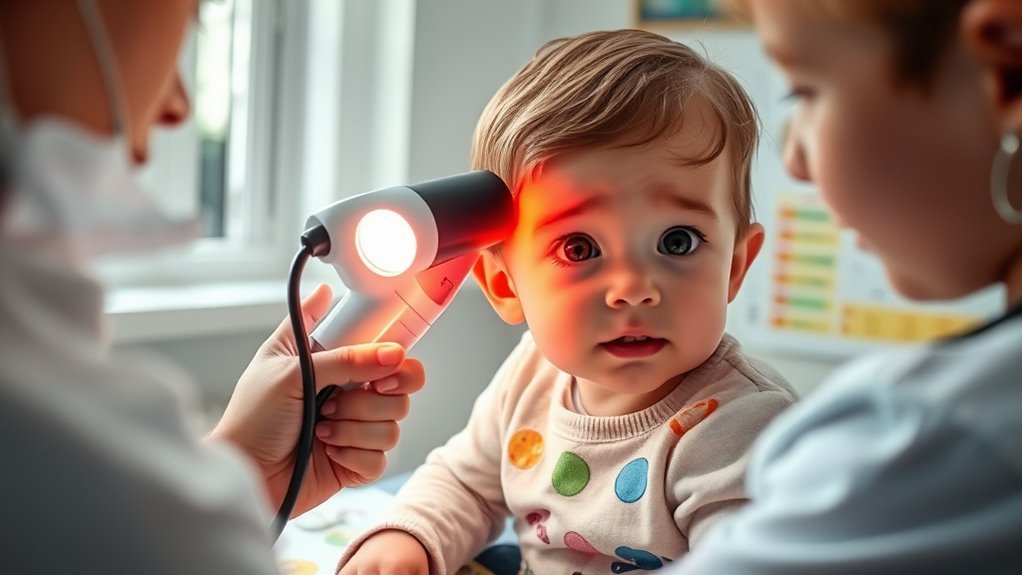

When it comes to your child’s health, ear infections can pose serious challenges to their development. These infections not only cause discomfort but can also hinder cognitive and emotional growth. It’s vital to understand the symptoms and seek timely medical advice. Knowing how to treat and prevent these infections can make a significant difference. Are you aware of the key strategies that can help protect your child from these issues?
Understanding Ear Infections and Their Causes

When it comes to understanding ear infections, it’s important to know that they can occur for a variety of reasons, often stemming from colds or allergies that lead to inflammation in the Eustachian tubes. You might notice common symptoms like ear pain, difficulty hearing, or even drainage from the ear. These signs can be concerning, especially when they affect your child’s daily life. Certain risk factors, such as being around secondhand smoke, having a family history of ear infections, or frequent exposure to respiratory illnesses, can increase the likelihood of infections. Recognizing these symptoms and risk factors is essential, as early intervention can help your child feel better and regain their freedom to play and explore without discomfort.
The Impact of Ear Infections on Child Development
While ear infections might seem like a minor health issue, their impact on child development can be significant. These infections can disrupt your child’s cognitive development, leading to difficulties in learning and language acquisition. Additionally, they can affect social skills, as children may struggle to engage with peers or communicate effectively when their hearing is compromised.
Here’s a quick overview of the potential impacts:
| Area Affected | Impact |
|---|---|
| Cognitive Development | Delayed language skills and learning issues |
| Social Skills | Difficulty in peer interactions |
| Emotional Well-being | Increased frustration and isolation |
| Attention | Shortened focus during activities |
| Academic Performance | Lowered grades and engagement in school |
Recognizing these effects can help you prioritize your child’s health and development.
Recommended Treatments and Interventions

Since addressing ear infections early can mitigate their impact on your child’s development, it’s crucial to explore effective treatments and interventions. Here are some recommendations:
- Antibiotic usage: Consult your doctor about the necessity of antibiotics, especially if the infection is severe or persistent.
- Pain relief: Over-the-counter medications like acetaminophen can help alleviate discomfort.
- Warm compress: Applying a warm cloth to the affected ear may provide soothing relief.
- Home remedies: Some parents find success with natural options like garlic oil or steam inhalation, but check with your healthcare provider first.
Prevention Strategies for Parents
How can you effectively reduce the risk of ear infections in your child? Start by promoting healthy habits. Encourage regular handwashing to minimize germs and infections. Make sure your child stays current on vaccinations, as these can prevent illnesses that lead to ear infections.
You should also pay attention to environmental factors. Avoid exposing your child to secondhand smoke, which can irritate their airways and increase infection risk. Keep them away from crowded places during flu season to limit exposure to illness.
Lastly, consider breastfeeding, as it provides essential antibodies that help protect against infections. By taking these proactive steps, you can create a healthier environment and empower your child to thrive.
When to Seek Medical Attention for Ear Infections

Recognizing when to seek medical attention for ear infections is essential for your child’s health and comfort. Timely intervention can prevent complications and guarantee a smoother recovery. Here are some signs to watch for:
- Persistent ear pain that doesn’t improve
- High fever, especially over 102°F (39°C)
- Fluid drainage from the ear
- Your child shows signs of irritability or trouble sleeping
Being aware of these symptoms can help you act quickly. If you notice any of these issues, don’t hesitate to consult your healthcare provider. Early diagnosis and treatment are critical for effective management and can greatly improve your child’s well-being. Remember, your child’s comfort is important, and you have the right to seek help when needed.