

If you suspect your newborn has a hair tourniquet, it’s crucial to act quickly and calmly. These situations can be distressing for both you and your baby, but understanding the signs and proper techniques can make all the difference. Knowing how to identify the problem and what steps to take next can prevent further complications. Let’s explore the symptoms you should watch for and the safest ways to address this issue.
What Is a Hair Tourniquet?
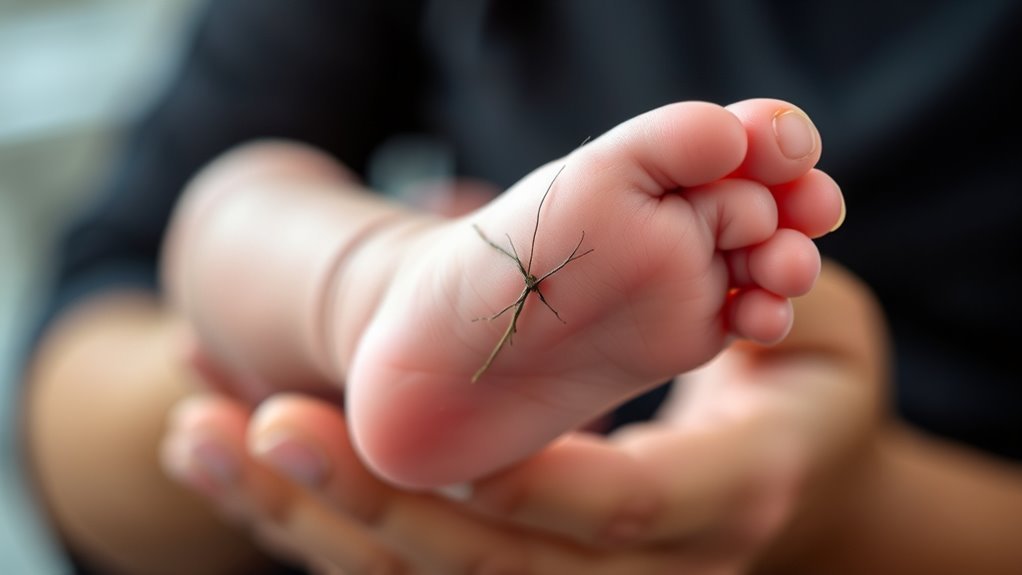
A hair tourniquet is a medical condition where a strand of hair wraps tightly around a newborn’s finger, toe, or other body parts, potentially causing pain and injury. This often occurs when a loose hair finds its way around a small limb, especially during moments of movement. Causes of hair tourniquet can vary, but common culprits include loose hair in the environment or long hair that gets tangled during diaper changes or cuddling. Treatment for hair tourniquet usually involves gently removing the hair to relieve pressure. If you notice any signs of discomfort or swelling, it’s crucial to act quickly. Always consult a healthcare professional for guidance, ensuring your newborn’s safety and comfort is a priority.
Signs and Symptoms to Watch For
Recognizing the signs and symptoms of a hair tourniquet is essential for prompt intervention. Early detection can greatly enhance infant safety. Keep an eye out for these key indicators:
| Sign/Symptom | Description | Action |
|---|---|---|
| Change in skin color | Redness or blue discoloration of the affected area | Inspect for hair strands |
| Swelling | Noticeable swelling around the toes or fingers | Remove any constricting material |
| Crying or fussiness | Increased irritability or inconsolable crying | Calm your infant and assess |
| Limited movement | Difficulty moving the affected limb | Gently check for tightness |
| Unusual temperature | Cooler temperature in the affected area | Monitor and seek medical help |
Potential Risks and Complications

While it may seem like a minor issue, a hair tourniquet can lead to serious risks and complications if left untreated. One of the primary concerns is hair entanglement issues that can restrict blood flow, potentially resulting in tissue necrosis. If the tourniquet isn’t addressed, you may notice signs of infant skin damage, including discoloration, swelling, or even lesions. These complications can escalate quickly, causing unnecessary pain for your newborn. It’s essential to act promptly to minimize risks. Remember, while it might feel like an isolated incident, the impacts can be significant. Staying vigilant and informed empowers you to protect your child from these preventable complications, ensuring their well-being and comfort.
How to Safely Remove a Hair Tourniquet
If you discover a hair tourniquet on your newborn, it’s crucial to act swiftly and carefully to remove it. Begin by calming your baby, ensuring they’re comfortable. Use gentle hair removal techniques, like sliding a thin piece of dental floss or a fine-tipped tweezers under the hair, if accessible. Always maintain a steady hand. If the hair is tight, you might want to soak the area in warm water for a few minutes to loosen it. Remember, newborn care involves vigilance; check for any signs of redness or swelling. If you’re unsure or uncomfortable, don’t hesitate to ask for help. Prioritize your baby’s safety and well-being, and keep them free from discomfort.
When to Seek Medical Attention

If you notice signs of a hair tourniquet, like swelling, discoloration, or your newborn seeming unusually fussy, it’s essential to seek medical attention promptly. Ignoring these symptoms can lead to serious complications. Always err on the side of caution—consult a healthcare professional if you’re unsure.
Signs of Hair Tourniquet
How can you tell if your newborn is experiencing a hair tourniquet? Watch for signs like unusual crying, irritability, or a change in feeding patterns. If you notice a red or swollen area around a finger or toe, it could indicate a hair tourniquet. Pay attention to hair types; fine hair can more easily wrap around tiny digits. In newborn care, it’s vital to frequently check your baby’s extremities, especially if they have long hair nearby. If you see any of these symptoms, don’t hesitate to consult a healthcare professional. Early intervention can prevent complications and guarantee your baby’s comfort. Trust your instincts; your awareness plays a critical role in your newborn’s well-being.
Urgent Care Recommendations
Recognizing when to seek medical attention for a hair tourniquet is essential for your newborn’s well-being. If you notice any signs of discomfort, swelling, or discoloration where the hair is wrapped, it’s vital to act quickly. Urgent care should be sought if the area becomes increasingly painful or if you observe bleeding. Remember, the sooner you respond, the better the outcome. In severe cases, where the skin shows signs of necrosis, don’t hesitate to call for emergency response. Your newborn’s health is paramount; trusting your instincts can save them from potential complications. Always err on the side of caution—if you’re unsure, reaching out to a healthcare professional can provide peace of mind and guidance.
Preventative Measures for Parents
To prevent hair tourniquets, regular checks of your newborn’s hair and surrounding areas are essential. Additionally, implementing safe sleeping practices can help minimize risks. Being proactive in these measures can provide peace of mind and promote your baby’s safety.
Regular Hair Checks
Many parents may not realize the importance of regular hair checks for their newborns. Engaging in frequent hair inspections is essential for early detection of potential hair tourniquets. When you monitor your baby’s hair growth, you can spot any irregularities that might lead to complications. Use a gentle touch, parting the hair to examine the scalp carefully, especially around the ears and toes where hair may get trapped. By establishing this habit, you not only guarantee your newborn’s safety but also foster a sense of connection during these intimate moments. Remember, being proactive in hair growth monitoring can make a significant difference in preventing hair tourniquets, allowing your little one to thrive without unnecessary discomfort or distress.
Safe Sleeping Practices
Regular hair checks can lead to a heightened awareness of your newborn’s overall well-being, including their sleeping environment. Ensuring a safe sleep environment is essential to your baby’s health. Here are some key practices to follow:
- Always place your baby on their back to sleep, as this position greatly reduces the risk of SIDS.
- Use a firm mattress with a fitted sheet, avoiding soft bedding or toys that could pose a suffocation hazard.
- Keep the crib free of loose items to prevent entrapment or strangulation risks.
- Monitor room temperature to maintain a comfortable environment, avoiding overheating.
Alternative Methods for Hair Removal
While considering hair removal options for newborns, it is essential to explore alternative methods that prioritize safety and comfort. Natural hair removal techniques are often preferred for their gentleness. Here are a few options:
| Method | Description | Safety Rating |
|---|---|---|
| Soft Brushing | Use a soft brush to gently remove hair. | High |
| Baby Oil Massage | Apply baby oil and gently wipe away hair. | High |
| Warm Compress | Use a warm cloth to loosen hair before removal. | Medium |
| Herbal Remedies | Certain herbs may provide gentle removal properties. | Medium |
| Professional Services | Consult a pediatrician for safe grooming options. | High |
Choosing safe grooming methods guarantees your newborn remains comfortable while you manage hair removal effectively.
Common Myths About Hair Tourniquets
You might encounter various myths surrounding hair tourniquets that can lead to misunderstandings about symptoms and treatments. It’s essential to differentiate between fact and fiction to guarantee you respond appropriately if this situation arises. By addressing these misconceptions, you can better protect your newborn’s well-being and seek the right care.
Misunderstanding Symptoms and Effects
Many parents misunderstand the symptoms and effects of hair tourniquets, often attributing them to other issues or dismissing them entirely. This misidentification can lead to misdiagnosed conditions and unnecessary distress. It’s essential to recognize the signs early for your child’s well-being. Here are some common misconceptions:
- It’s just a rash: Redness and swelling can actually indicate a hair tourniquet.
- It’ll go away on its own: Delaying action can worsen the situation.
- Only visible hair matters: Even tiny strands can cause significant problems, so hair identification is important.
- It only affects fingers and toes: Tourniquets can occur on any body part with hair.
Understanding these facts can empower you to take swift action, ensuring your baby’s comfort and freedom.
Treatment Myths and Realities
Numerous myths surround the treatment of hair tourniquets in newborns, leading to confusion and potentially harmful decisions. One common myth is that cutting the hair can resolve the issue, but this often exacerbates the problem and may cause further injury. A reality check reveals that proper removal techniques are vital for safety. Another misconception is that home remedies, like using oil, can effectively treat a hair tourniquet; however, this can delay necessary medical intervention. Myth debunking is essential to guarantee you act promptly and appropriately. Always seek professional advice if you suspect a hair tourniquet. Understanding these truths empowers you to make informed decisions, prioritizing your newborn’s well-being and freedom from discomfort.
Understanding Your Baby’s Discomfort
How can you tell if your newborn is experiencing discomfort? Understanding baby communication is essential for recognizing signs of infant discomfort. Here are some key indicators to watch for:
- Crying: An inconsolable cry that’s different from their usual sounds may signal distress.
- Facial Expressions: Furrowed brows or grimaces can indicate pain or discomfort.
- Body Movements: Excessive squirming or clenching fists could suggest your baby’s feeling uneasy.
- Changes in Feeding: A sudden refusal to eat or a decrease in appetite may be a red flag.
Resources for Further Assistance
When you’re concerned about a hair tourniquet affecting your newborn, seeking additional resources can provide valuable support and guidance. Connecting with support groups can help you share experiences and gain insights from others who’ve faced similar challenges. Medical resources, including pediatric associations and local health services, offer expert advice on managing this condition effectively.
| Type of Resource | Description | Contact Information |
|---|---|---|
| Support Groups | Community for parents to share experiences | [Link to Group 1] |
| Medical Resources | Professional guidance and treatment options | [Link to Resource 1] |
| Emergency Services | Immediate help for severe cases | [Local Emergency Info] |
| Online Forums | Digital platforms for discussion and advice | [Link to Forum 1] |
Utilize these resources to empower yourself and guarantee your baby receives the care they need.