

When considering diaper options for your infant, you might feel overwhelmed by the cloth versus disposable debate. Each choice comes with its own set of benefits and challenges, impacting your baby’s comfort, your wallet, and the environment. By exploring innovative solutions and hybrid methods, you can find a balance that works for your family. Let’s examine the factors that can help you make an informed decision tailored to your unique situation.
Understanding the Environmental Impact of Diapers
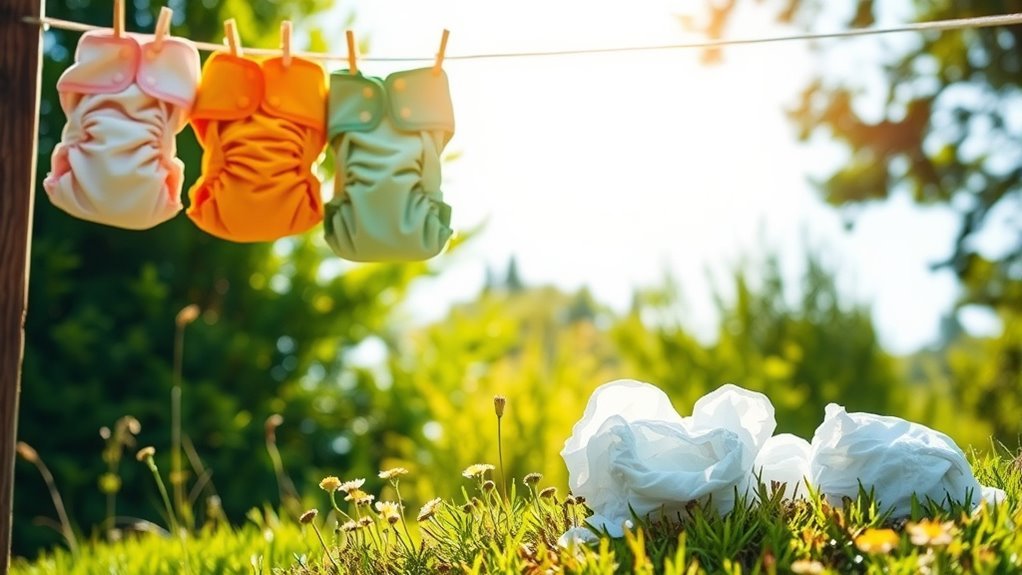
When you’re choosing between cloth and disposable diapers for your little one, it’s important to evaluate the environmental impact of each option. Cloth diapers often utilize sustainable materials, which can greatly reduce waste compared to disposables. Disposable diapers contribute considerably to landfill waste, taking hundreds of years to decompose. By opting for cloth, you’re actively participating in waste reduction, as they can be reused for multiple children or repurposed after use. While the initial investment in cloth may seem higher, the long-term benefits for the planet and your family can be substantial. Ultimately, making an informed choice allows you to balance your baby’s needs with a commitment to sustainability, giving you the freedom to contribute positively to the environment.
Evaluating Comfort and Skin Health for Your Baby
When choosing between cloth and disposable diapers, it’s crucial to take into account your baby’s comfort and skin health. Factors like material sensitivity, breathability, and moisture control can greatly impact your little one’s well-being. By understanding these elements, you can help prevent rashes and irritation, ensuring your baby stays happy and comfortable.
Material Sensitivity Considerations
How can you guarantee your baby’s skin stays healthy and comfortable during diapering? First, be aware of potential fabric allergies that could irritate your baby’s delicate skin. It’s crucial to choose materials that are soft, breathable, and free from harmful chemicals. Consider conducting sensitivity testing with different fabrics to identify any reactions. This can help you determine if your baby is sensitive to certain materials commonly found in cloth or disposable diapers. Keep an eye out for signs of discomfort, like redness or rashes, as these can indicate a need for a material switch. Remember, ensuring your baby’s comfort not only promotes skin health but also supports their overall well-being, allowing them to thrive in a loving, nurturing environment.
Breathability and Moisture Control
Choosing the right diaper for your baby involves more than just picking a brand; it’s about ensuring breathability and moisture control to keep their skin healthy and comfortable. Breathable fabrics are essential in preventing overheating and allowing air circulation, which can minimize discomfort. When you opt for diapers that excel in moisture management, you’re helping to maintain a dry environment, reducing the risk of skin irritation. Cloth diapers typically offer natural fibers that excel in breathability, while some disposable options feature advanced moisture-wicking technology. Ultimately, the right choice will depend on your baby’s unique needs and your lifestyle. Prioritizing breathability and moisture control can greatly enhance your baby’s comfort and promote skin health, giving you peace of mind.
Rashes and Irritation Prevention
While selecting the right diaper, it’s vital to take into account how effectively it prevents rashes and irritation, as a baby’s sensitive skin is particularly vulnerable. For rash prevention, opt for materials that wick moisture away and allow the skin to breathe. Cloth diapers can be great for this, although choosing high-quality disposables with breathable layers is equally important. Regular changes are important—don’t let your baby sit in a wet diaper too long. If your little one does develop irritation, consider using gentle irritation remedies like barrier creams or natural oils. Always keep an eye on your baby’s skin, and consult a pediatrician if you notice persistent rashes. Your baby’s comfort and skin health should always be your top priority.
Cost Analysis: Cloth Vs Disposable Diapers
When considering diapers for your baby, the initial investment can vary considerably between cloth and disposable options. While cloth diapers may require a higher upfront cost, many parents find long-term savings that can make them more economical over time. Let’s explore how these two choices stack up financially to help you make an informed decision.
Initial Investment Comparison
The initial investment in diapers can vary greatly between cloth and disposable options, and understanding these costs is essential for new parents. Cloth diapers typically require a higher upfront cost, as you’ll need to buy a set that can range from $200 to $500, depending on the brand and quantity. On the other hand, disposable diapers offer lower initial costs, often around $30 to $80 a month, but these expenses add up over time. When budget planning, consider your family’s financial situation, lifestyle, and values. Choosing cloth may seem challenging at first, but it can provide a sense of freedom from ongoing purchases. Ultimately, weighing these initial costs can help you make a decision aligned with your family’s needs.
Long-term Cost Savings
Although it may seem like an intimidating task to calculate long-term diaper costs, understanding the financial implications of choosing between cloth and disposable options can ultimately save you money. By focusing on long-term budgeting, you can appreciate the value of diaper longevity. Here are some key points to take into account:
- Cloth diapers can last through multiple children, reducing overall costs.
- Disposables add up quickly, with ongoing purchases every month.
- Environmental impact can influence your budget if you factor in disposal costs.
- Resale value of cloth diapers is often significant when you’re done using them.
Choosing wisely not only eases your financial burden but also aligns with a more sustainable lifestyle.
Innovative Cloth Diapering Solutions

As parents seek eco-friendly and cost-effective options for diapering, innovative cloth diapering solutions have emerged to meet their needs. You’ll find a range of products made from sustainable materials, such as organic cotton and bamboo, which offer comfort and breathability for your baby. Diapering innovations like adjustable snaps, all-in-one designs, and pocket diapers make cloth diapering more user-friendly and convenient. These advancements not only simplify the changing process but also enhance absorbency and reduce leaks. Many brands now focus on stylish designs, allowing you to express your unique parenting style while staying eco-conscious. Embracing these innovative cloth diapering solutions can provide you with the freedom to choose a sustainable option that best suits your family’s lifestyle.
Eco-Friendly Disposable Diaper Options
With the growing awareness of environmental issues, many parents are exploring eco-friendly disposable diaper options as an alternative to traditional choices. These options can help reduce your carbon footprint while still providing convenience. Here’s what you might consider:
- Biodegradable options: These diapers break down more quickly in landfills compared to conventional ones.
- Plant-based materials: Look for diapers made from renewable resources, reducing reliance on petroleum-based products.
- Sustainable brands: Some companies prioritize eco-friendly practices, from sourcing materials to production methods.
- Compostable diapers: These can be composted at specialized facilities, further minimizing waste.
Hybrid Approaches: Combining Cloth and Disposable
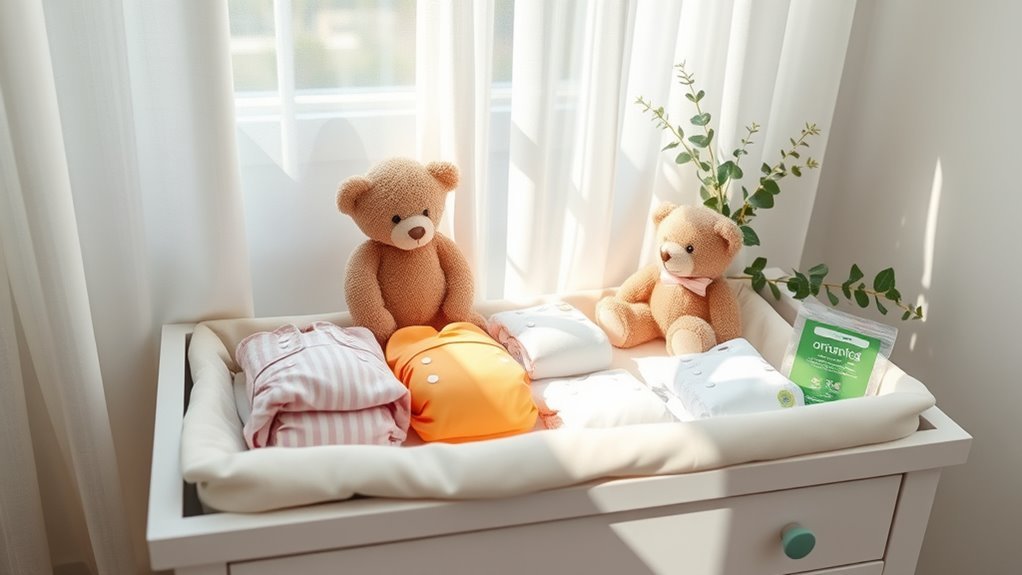
If you’re looking for a flexible diapering solution, hybrid approaches that combine cloth and disposable options might be the perfect fit for your family. Hybrid diapering allows you to enjoy the benefits of both methods while accommodating your lifestyle. You can use cloth diapers at home for their eco-friendliness and cost-effectiveness, while turning to disposables for outings or overnight use, ensuring convenience and comfort for your little one. This balanced method supports sustainable practices by reducing waste without sacrificing practicality. Plus, it gives you the freedom to adapt your diapering strategy as your baby’s needs change. By embracing hybrid options, you can feel empowered to make informed choices that align with your values and family dynamics.
Tips for Transitioning Between Diapering Methods
Switching between cloth and disposable diapers can feel intimidating, but it doesn’t have to be overwhelming. With the right adjustment strategies, you can create smooth diapering routines that work for your family. Here are some tips to ease the process:
- Start Gradually: Begin by using cloth diapers at home and disposable ones when out.
- Set a Schedule: Establish a routine to alternate between the two methods, helping your baby adapt.
- Involve Your Baby: Let them explore both types of diapers; this can make the adjustment more engaging.
- Stay Flexible: Don’t stress if things don’t go as planned. Adapt your approach based on your baby’s comfort.
With these strategies, you can confidently switch between diapering methods while enjoying the freedom that comes with it!