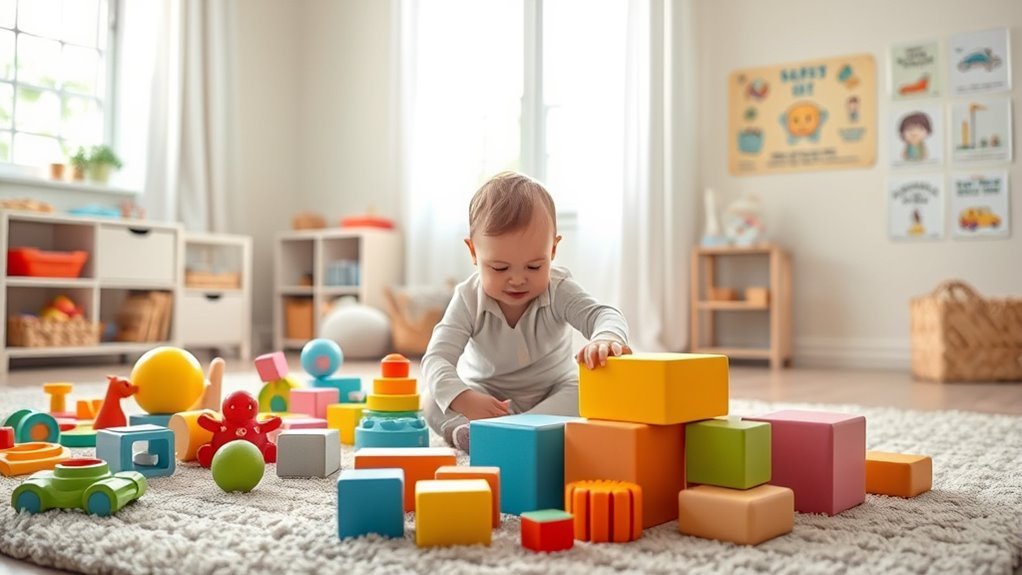

As a caregiver, you might wonder how something as simple as food can pose a threat to your little one’s safety. Understanding choking hazards is vital for ensuring your baby’s well-being as they explore new tastes and textures. With the right strategies in place, you can create a safe mealtime environment that fosters healthy eating habits. Let’s explore effective long-term management plans that can ease your concerns and empower you to protect your child.
Understanding Choking Hazards: What Parents Need to Know

Choking hazards can feel like a looming shadow for many parents, but understanding them is the first step toward keeping your baby safe. Did you know that choking is a leading cause of injury for children under three? Knowing the choking statistics can empower you. Risk factors include small toys, food items, and even household objects. Stay informed about what items pose a threat and practice safe feeding techniques. It’s crucial to stay vigilant, as your baby’s curiosity can lead them to unsuspecting dangers. Building a safe environment not only protects your child but also grants you peace of mind. Remember, being proactive is your best defense against choking hazards, giving you freedom to enjoy precious moments with your little one without constant worry.
Common Choking Hazards in Everyday Items
While you may think your home is a safe haven, everyday items can often hide unexpected choking hazards for your baby. Small toys, especially those not designed for infants, can become significant risks. Household items like button batteries or small magnets are also common culprits. Choking statistics remind us that parental awareness is vital; knowing what to look for can make a difference. During food preparation, be mindful of items that might roll away or break, becoming choking hazards. Check safety labels on toys and stay updated on product recalls to protect your little one. By understanding these risks in toy design and common household objects, you can create a safer environment and enjoy your freedom as a parent.
Safe Food Practices for Infants and Toddlers

As you commence the journey of feeding your infant or toddler, it’s essential to prioritize safe food practices that minimize risks. Start with the basics: confirm foods are appropriately sized and cooked to avoid choking hazards. If you’re exploring baby led weaning, offer soft, easily mashable options like ripe bananas or steamed veggies. This method encourages autonomy while promoting mindful feeding; let your child explore textures and flavors at their own pace. Always supervise mealtimes and be aware of your child’s readiness for different foods. Remember, you’re fostering a positive relationship with food, so stay patient and encouraging. By implementing these safe practices, you can create a joyful and secure eating environment for your little one.
The Importance of Supervision: Keeping a Watchful Eye
When you’re feeding your little one, having a watchful eye can make all the difference in ensuring their safety. Supervised play is essential; it allows you to engage with your baby while keeping potential choking hazards at bay. You want to create an environment where your child can explore freely, but your attentive guardianship is key. Every moment counts when it comes to their safety. By staying close and being aware of what’s around them, you can easily intervene if they reach for something unsafe. Trust your instincts; your presence means your baby can enjoy discovery without unnecessary risks. Embrace this time together, knowing that your vigilance fosters both freedom and safety in their growing world.
Teaching Safe Play Habits: Age-Appropriate Toys
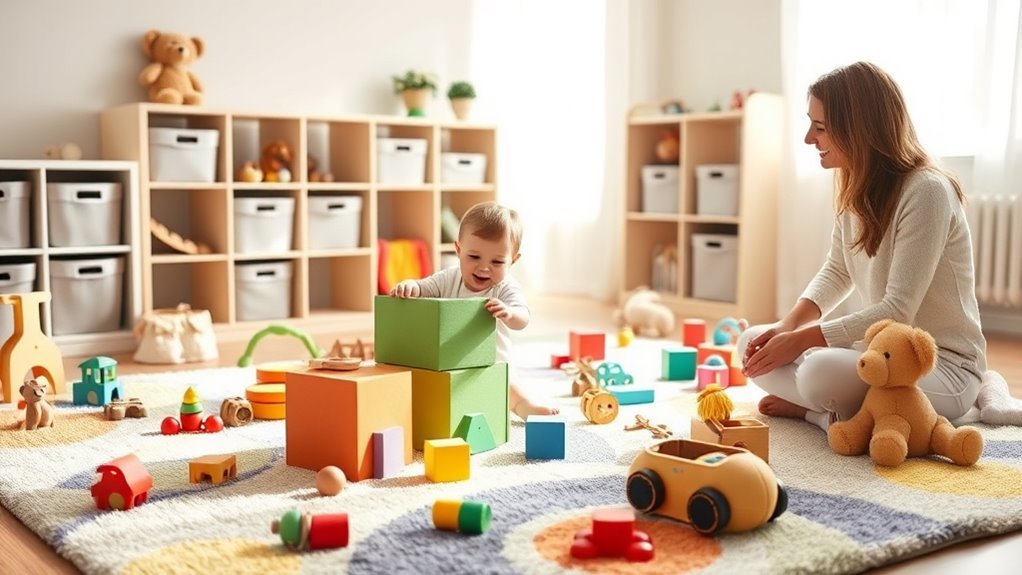
When it comes to keeping your baby safe during playtime, choosing the right toys is essential. You’ll want to focus on non-toxic materials, consider the size and shape to prevent choking, and make it a habit to regularly inspect their toys for wear and tear. These simple steps can help you create a safer play environment for your little one.
Selecting Non-Toxic Materials
Choosing toys for your baby can feel overwhelming, especially with safety concerns in mind. You want to provide a safe environment while letting your little one explore freely. When selecting non-toxic toys, look for options made from natural, safe materials like wood, organic cotton, or BPA-free plastics. These choices not only protect your baby from harmful chemicals but also reduce environmental impact. Always check for certifications that guarantee the toys meet safety standards. Remember, the joy of play is enhanced when you know your baby is safe. Empower yourself with knowledge about non-toxic toys, and feel confident in creating a fun, healthy play space that nurtures your baby’s creativity and growth.
Size and Shape Matters
Toys come in all shapes and sizes, and understanding what’s safe for your baby is key to ensuring their playtime is both fun and secure. When choosing toys, size considerations are essential; anything smaller than 1.25 inches in diameter can pose a choking hazard. Pay attention to shape variations too; toys with sharp edges or small parts can be risky. Opt for larger, rounded toys that encourage exploration without the worry of choking. Look for age-appropriate labels, as they often indicate safer options for your little one. By being mindful of size and shape, you’re not just providing entertainment but also creating a safe environment where your baby can thrive and explore with confidence. You’ve got this!
Regular Toy Inspections
Regularly inspecting your baby’s toys is a simple yet essential habit that can make a big difference in ensuring their safety. Establishing an inspection schedule not only helps you catch potential hazards early but also encourages good toy maintenance. Check for loose parts, wear and tear, or small pieces that could become choking hazards. Remember, your little one’s curiosity knows no bounds, so staying proactive is key. If a toy seems damaged or poses a risk, it’s better to remove it immediately. By creating a safe play environment, you’re empowering your baby to explore freely while keeping their well-being in mind. Regular inspections are a small commitment that pays off in peace of mind for you both.
First Aid for Choking: What Every Caregiver Should Know
When your little one starts to choke, do you know what steps to take? It’s essential to remain calm and act quickly. First, encourage them to cough if they can—it may dislodge the object. If that doesn’t work, perform back blows by leaning them forward and giving up to five firm taps between the shoulder blades. If they’re still choking, follow up with up to five abdominal thrusts. Always call for emergency help if needed. Remember, choking prevention is key; keep small objects out of reach and supervise mealtimes. Having a solid emergency response plan can make all the difference. You’re not alone in this—equip yourself with knowledge to protect your precious little one.
Creating a Safe Environment: Baby-Proofing Your Home
Choking isn’t the only risk to contemplate as your baby begins to explore their surroundings. Creating a safe environment is key to fostering their independence. Start by installing baby gates to block off stairs and unsafe areas, ensuring stair safety. Use furniture anchors to prevent tipping, and add corner protectors to sharp edges. Outlet covers are essential for preventing electrical hazards, while kitchen safety measures keep curious hands away from hot surfaces. Designate safe play areas with organized toy storage to minimize clutter and choking hazards. Don’t forget bathroom safety; keep toiletries and small items out of reach. By baby-proofing your home, you can give your little one the freedom to explore while keeping them safe from potential dangers.
Encouraging Healthy Eating Patterns: Gradual Food Introduction
Introducing new foods to your baby can be both exciting and a bit intimidating. By focusing on safe textures and age-appropriate choices, you can help your little one explore different flavors while minimizing choking risks. Remember, patience is key as your baby develops their palate gradually, making mealtime a positive experience for both of you.
Safe Food Textures
As you commence on the journey of introducing solid foods to your baby, it is crucial to reflect on safe food textures that promote healthy eating habits. Starting with pureed fruits and soft vegetables can help your little one adapt to new tastes while minimizing choking risks. Gradually, you can introduce slightly thicker textures as they grow more comfortable.
Here’s a simple guide to help you navigate food textures:
| Food Texture | Examples | Purpose |
|---|---|---|
| Pureed | Applesauce, Carrots | Easy swallowing |
| Mashed | Banana, Avocado | Builds chewing skills |
| Soft Cooked | Peas, Sweet Potatoes | Texture exploration |
| Small Chunks | Cooked Chicken | Encourages self-feeding |
Age-Appropriate Food Choices
While traversing the world of solid foods, it’s essential to reflect on age-appropriate choices that can foster healthy eating patterns in your baby. You want to encourage meal progression while keeping in mind their developmental stage. Here are some great options to take into account:
- Soft fruits like bananas and avocados
- Cooked vegetable sticks such as carrots and zucchini
- Nutritious whole grains like oatmeal and quinoa
- Dairy options, including yogurt and cheese
- Finger foods that are easy to grasp and chew
These choices not only promote nutrient balance but also offer texture variety and safe food shapes that align with age guidelines. Embrace this journey, and enjoy watching your little one explore new tastes!
Gradual Flavor Exploration
When you’re ready to expand your baby’s palate, gradual flavor exploration can make mealtime a delightful adventure. Start by introducing single flavors, allowing your little one to experience a variety of tastes without overwhelming them. This approach helps develop their taste preferences and encourages an appreciation for flavor diversity. You might find that your baby enjoys sweet, savory, or even slightly tangy foods. Don’t hesitate to mix and match as they become more comfortable. Remember, it’s all about creating positive associations with new foods. Be patient and celebrate each new flavor milestone together. This journey not only promotes healthy eating patterns but also empowers your baby to embrace a world of tastes as they grow!
Building Awareness: Educating Family and Caregivers on Risks
Understanding the risks associated with choking hazards is essential for anyone caring for a baby. By prioritizing choking education and caregiver training, you can create a safer environment for your little one. Here are some key points to share with family and caregivers:
- Always supervise babies during meals and snacks.
- Cut food into small, manageable pieces to prevent choking.
- Avoid giving hard, round, or sticky foods.
- Keep small objects and toys out of reach.
- Learn how to perform basic first aid for choking emergencies.