
Potty training resistance isn’t just frustrating; it’s a normal part of many children’s development. You might not realize that this resistance can stem from various factors, including fear or anxiety about the process. As you navigate this journey, it’s essential to approach it with patience and understanding. So, how can you create a supportive environment that encourages your child to embrace potty training? Let’s explore some effective strategies together.
Understanding Potty Training Resistance
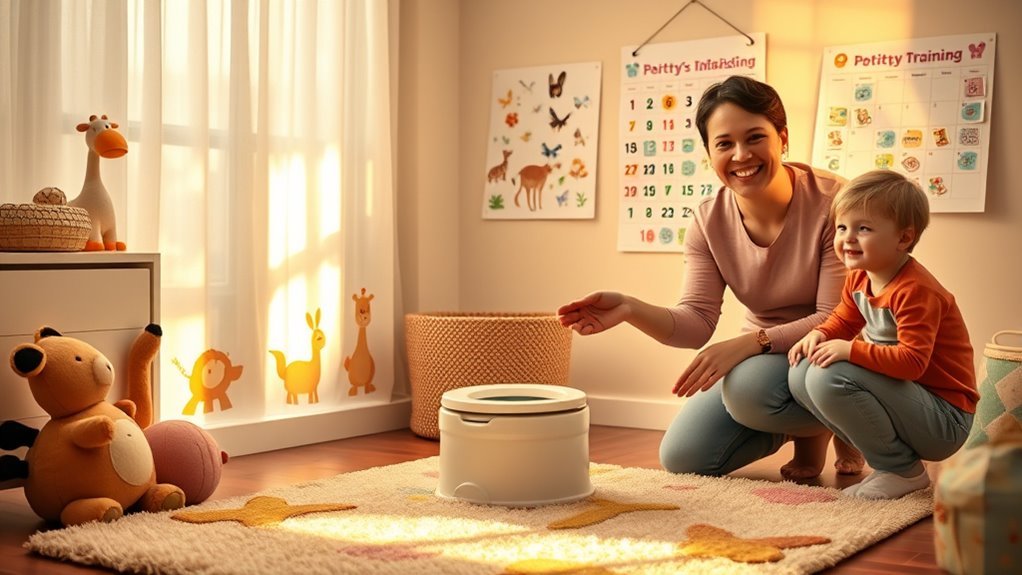
When it comes to potty training, understanding resistance is essential for both you and your newborn. Many parents fall for potty training myths, believing that every child should be ready by a certain age. However, emotional readiness varies greatly from one child to another. Your newborn may resist training due to anxiety or discomfort, and pushing too hard can lead to frustration for both of you. Recognizing these signs of resistance allows you to approach the process with empathy and patience. Instead of forcing the issue, create a supportive environment that encourages exploration and understanding. By focusing on your child’s emotional cues, you can foster a positive potty training experience that honors their individual journey toward independence.
Common Reasons for Resistance
Recognizing the signs of resistance is just the first step; understanding the common reasons behind it can help you navigate the potty training process more effectively. One prevalent issue is potty anxiety, which can stem from fear of the toilet or discomfort with the process. This anxiety often leads to reluctance and can hinder progress. Additionally, developmental delays may play a significant role in your child’s resistance. If they’re not developmentally ready, attempting to rush them can create further stress. It’s crucial to be patient and observant, acknowledging their feelings and providing a supportive environment. By addressing these underlying factors, you can foster a more positive and empowering potty training experience for both you and your child.
Signs Your Child Is Ready for Potty Training
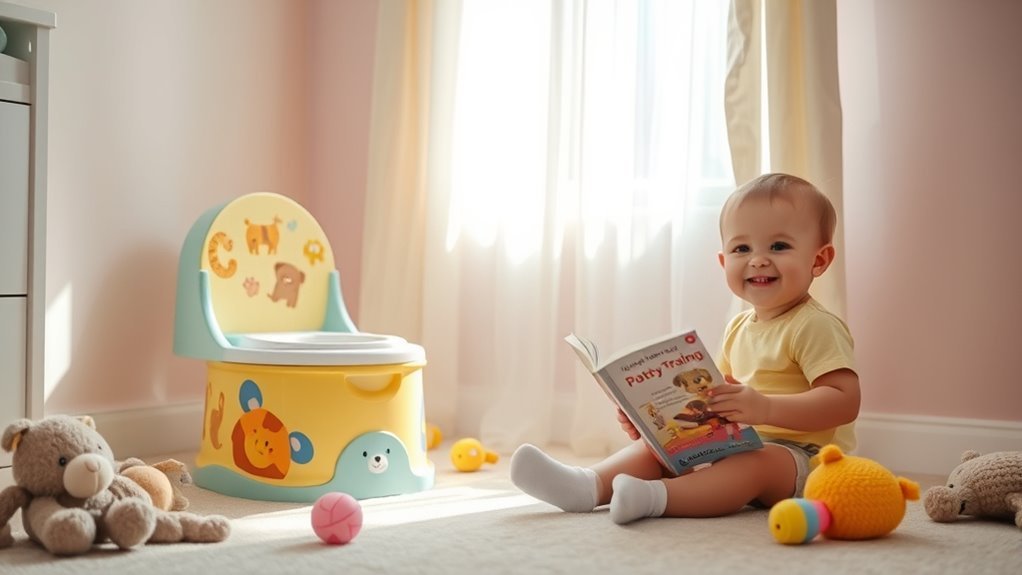
Recognizing the signs that your child is ready for potty training can make the process smoother for both of you. Look for physical readiness indicators, such as staying dry for longer periods, as well as any signs of interest in using the toilet. Additionally, your child’s ability to communicate their needs and understand simple instructions plays an essential role in their readiness.
Physical Readiness Indicators
Potty training can feel like a challenging milestone, but knowing the physical readiness indicators can ease your journey. Pay attention to key readiness cues in your child’s physical development. If they can stay dry for extended periods, it’s a sign their bladder control is improving. Notice if they show discomfort during diaper changes or express interest in being clean; these behaviors indicate they’re becoming aware of their bodily functions. Additionally, watch for signs of coordination, such as being able to walk to the bathroom or pull their pants up and down. These physical signals suggest they’re ready to embrace potty training, allowing you to proceed with confidence and compassion.
Interest in Toilet Training
As your child demonstrates physical readiness, it’s important to also look for signs of interest in toilet training. Recognizing your toddler’s readiness can help you debunk common toilet training myths and create a positive experience. Here are three signs to watch for:
- Curiosity: Your child might follow you to the bathroom or ask questions about using the toilet.
- Imitating: They may show interest in imitating older siblings or peers who are using the toilet, signaling their desire to try.
- Expressing Discomfort: If they begin to express discomfort with wet or soiled diapers, it’s a strong indicator they’re ready to shift.
These signs of interest are essential for a successful potty training journey, fostering independence and confidence in your child.
Communication and Understanding Skills
When it comes to potty training, communication skills play a crucial role in determining your child’s readiness. You’ll want to watch for signs like expressing discomfort with dirty diapers or showing interest in the bathroom. Engaging in active listening is essential; it helps you understand your child’s feelings and needs. When they communicate, whether through words or gestures, be attentive and responsive. Offering emotional support during this change can make all the difference. Encourage your child to share their thoughts about using the toilet, and reassure them that it’s okay to feel nervous or uncertain. By fostering open communication, you create a nurturing environment that empowers your child, making potty training a more positive experience for both of you.
Creating a Positive Potty Training Environment
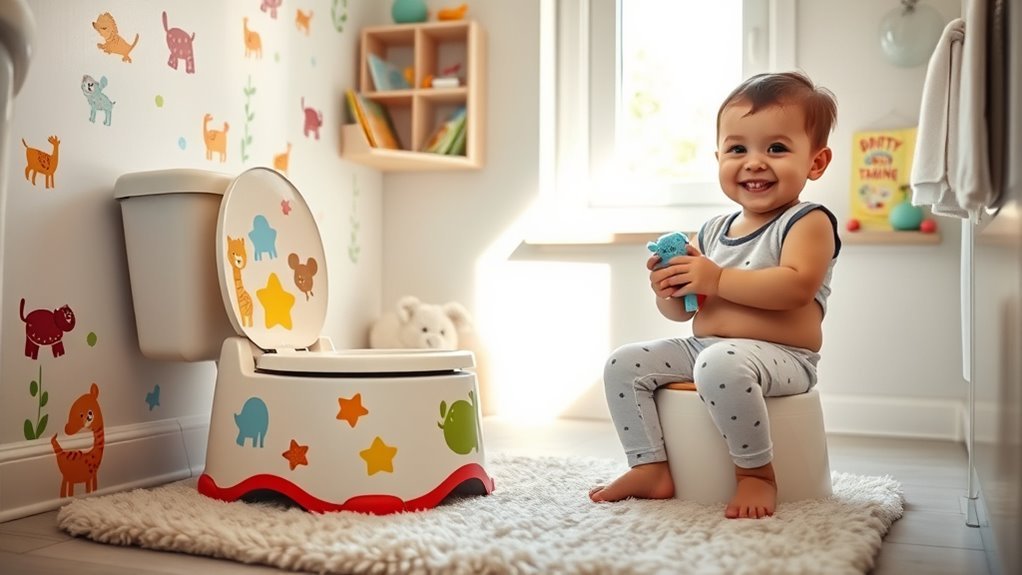
Creating a positive potty training environment is essential for your child’s success and comfort. When your little one feels safe and supported, they’re more likely to embrace this new experience. Here are three ways to foster that environment:
- Use Potty Training Toys: Incorporate fun toys that encourage your child to engage in potty training. These can make the process exciting and less intimidating.
- Establish a Reward System: Create a simple reward system to celebrate successes, whether it’s stickers or extra playtime. Positive reinforcement can boost your child’s confidence.
- Be Patient and Supportive: Always offer encouragement and understanding. Your child will pick up on your attitude, so keep the atmosphere light and stress-free.
With these strategies, you’re setting the stage for a smoother potty training journey.
Techniques to Encourage Potty Training
Building on a positive potty training environment makes it easier to introduce effective techniques that encourage your child to embrace this milestone. One approach is to incorporate potty training games, which can make the process fun and engaging. For instance, you could create a chart where your child can place stickers for each successful attempt.
Additionally, implementing a reward system can motivate them to participate enthusiastically. Consider small rewards like a favorite snack or extra playtime after a successful day. These strategies not only make potty training enjoyable but also empower your child, giving them a sense of control over their progress. Remember, patience and encouragement are key to helping them feel confident as they navigate this important change.
Establishing a Consistent Routine
Establishing a consistent potty training routine is essential for your newborn’s success. By creating a daily potty schedule and incorporating positive reinforcement techniques, you can make this process smoother and more effective. Consistency not only helps your little one understand expectations but also builds their confidence over time.
Daily Potty Schedule
While every child is unique, developing a daily potty schedule can greatly enhance your newborn’s comfort and success during potty training. Establishing potty training consistency helps build a sense of security for your little one, which can ease resistance. Here are three tips to create an effective daily potty schedule:
- Timing: Aim to take your child to the potty at regular intervals, such as after meals and naps, to increase potty training frequency.
- Observation: Pay attention to your newborn’s cues. If they seem to be straining or fidgeting, it might be time for a potty break.
- Routine: Make it a part of your daily activities, so your child knows what to expect, fostering a positive potty training experience.
Positive Reinforcement Techniques
Creating a positive atmosphere during potty training can greatly reduce resistance and encourage your newborn’s cooperation. Establishing a consistent routine is essential, and incorporating reward systems can make the process more engaging. When your little one successfully uses the potty, celebrate those moments with small rewards like stickers or extra playtime. These motivational tools not only reinforce good behavior but also help your child associate potty time with positive experiences. Remember, patience is key; each child progresses at their own pace. By maintaining a supportive environment and consistently applying these techniques, you can foster a sense of freedom and confidence in your newborn, making potty training a smoother journey for both of you.
Dealing With Setbacks and Challenges
Though setbacks are a natural part of the potty training journey, they can feel frustrating and discouraging for both you and your newborn. Understanding effective setback strategies can help you manage these challenges with grace. Here are three tips to aid your challenge management:
- Stay Positive: Celebrate small victories, even on tough days, to build a supportive environment.
- Adjust Expectations: Recognize that every child progresses at their own pace. Flexibility can ease stress for both of you.
- Create a Routine: Consistency helps reinforce learning. Establishing a predictable schedule can make potty training feel less intimidating.
Communicating With Your Child About Potty Training
Effective communication is key when it comes to potty training your child, as it helps build their understanding and comfort with the process. Using simple potty language during toddler conversations makes the topic less intimidating. Approach discussions with empathy, ensuring your child feels safe expressing their feelings about the change. Encourage questions and share age-appropriate information that helps demystify the process. Celebrate small victories and reassure them that accidents are part of learning. By fostering an open environment, your child will be more receptive to the idea of using the potty. Remember, patience and positive reinforcement are essential as you navigate this important milestone together, ensuring your child feels empowered and confident in their journey towards independence.
Seeking Professional Guidance When Necessary
When you notice persistent resistance to potty training, seeking professional guidance can be an essential step in addressing the challenges your child faces. A pediatrician or child psychologist can provide valuable insights and support tailored to your child’s needs. Here are three key benefits of professional consultation:
- Personalized Strategies: Experts can recommend techniques that align with your child’s unique temperament and developmental stage.
- Understanding Underlying Issues: They can help identify any emotional or physical factors contributing to resistance.
- Reassurance for Parents: Professional advice can ease your concerns and empower you with effective tools.
Don’t hesitate to reach out for pediatric advice when needed; it’s a proactive step toward fostering your child’s independence and comfort with potty training.